CARICOM rejects UK stance on reparations
Loading article...
-
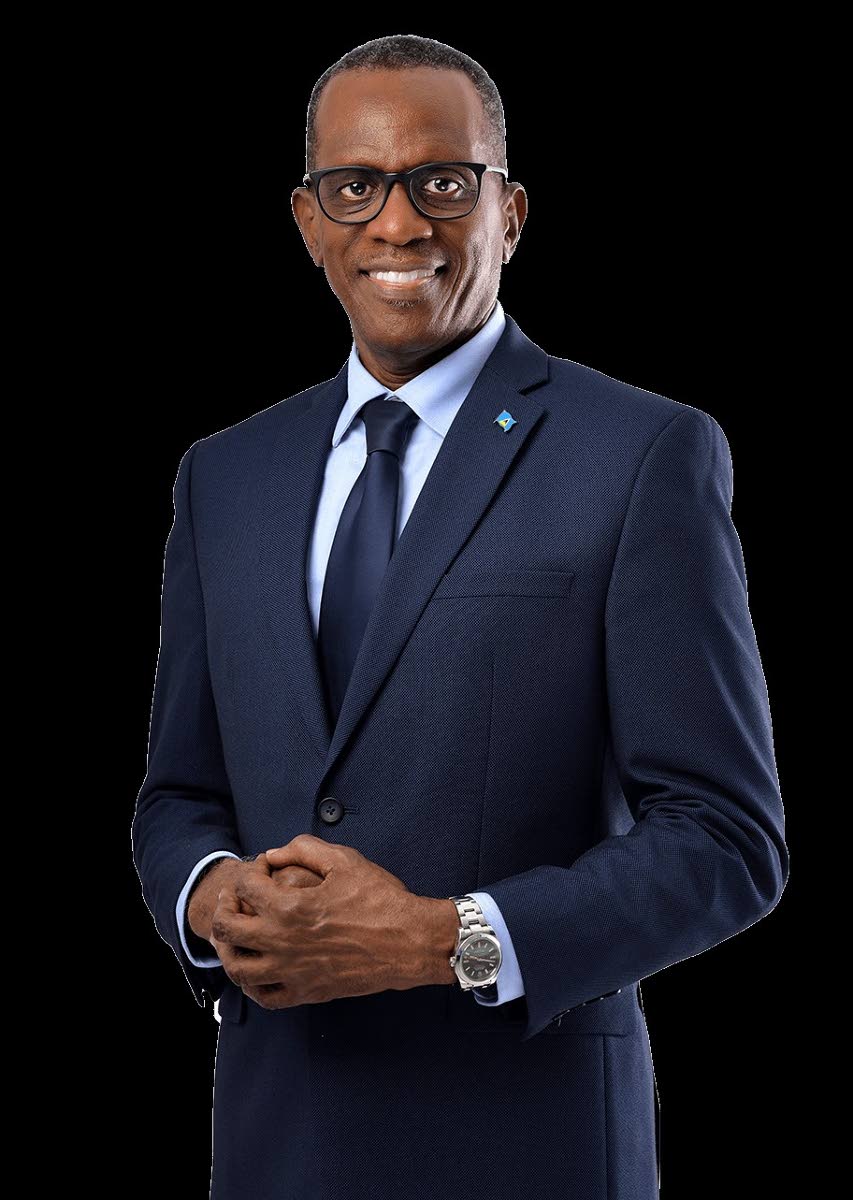 Philip J. Pierre, chairman of CARICOM.
-
Philip J. Pierre, chairman of CARICOM.
-
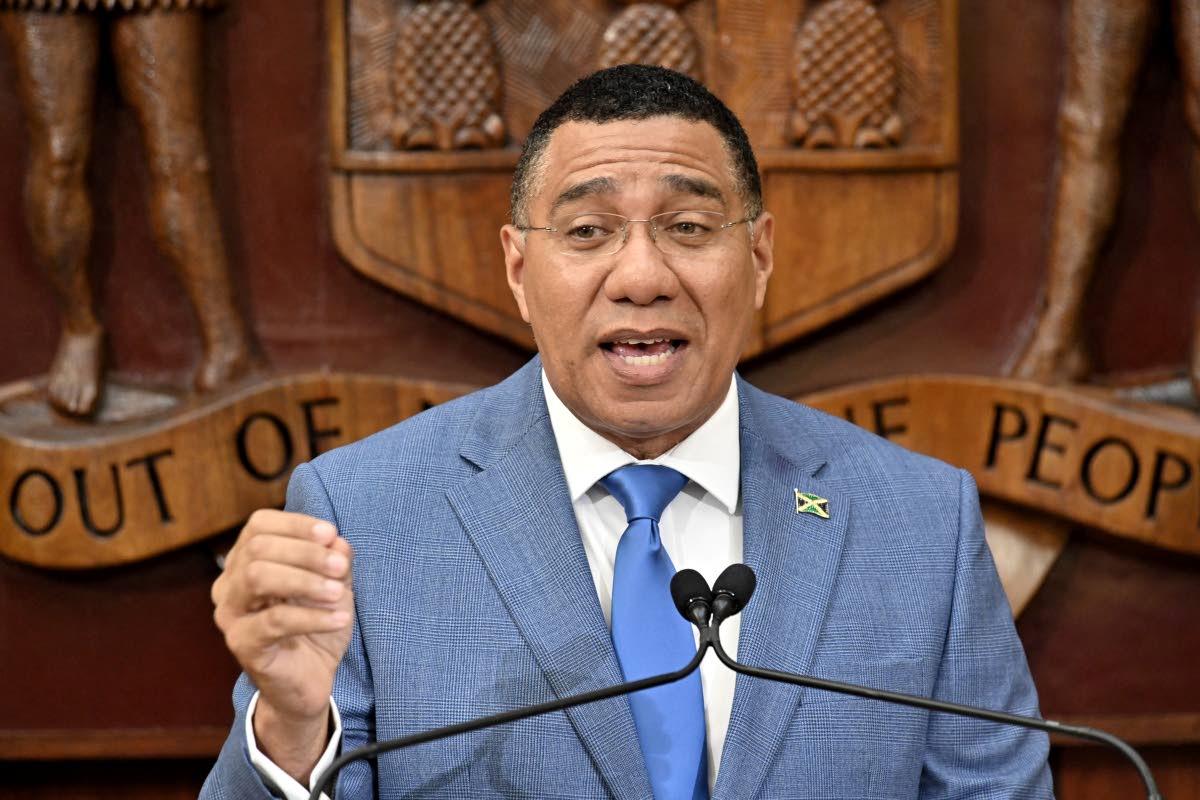 Photo - Rudolph Brown
-
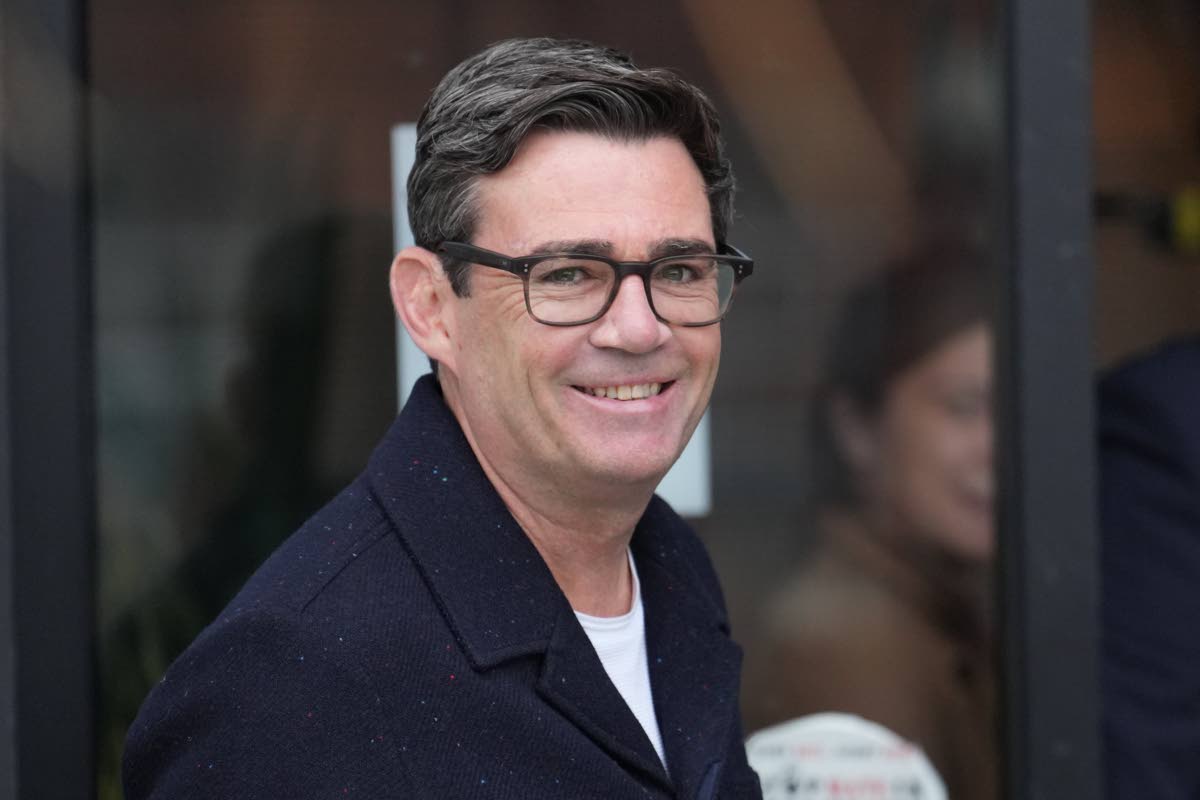 Andy Burnham, prime minister of the United Kingdom
-
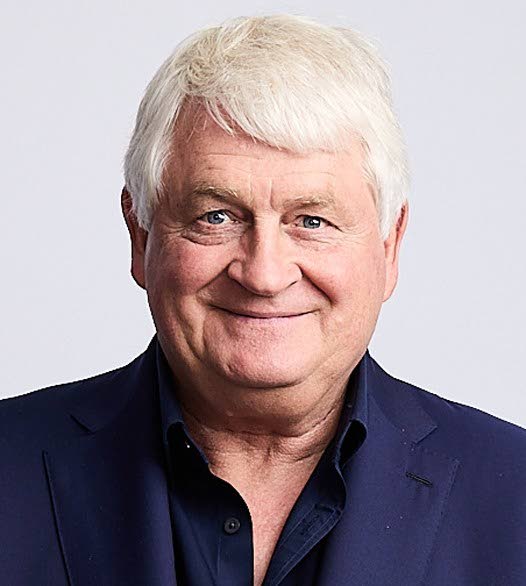 Denis O’Brien, founder of the Repair Campaign
The Caribbean Community (CARICOM) has welcomed an apparent willingness by the United Kingdom to engage in discussions about its role in the transatlantic slave trade, but has rejected any suggestion that reparations should be excluded from the conversation.
CARICOM chairman and St Lucia Prime Minister Philip J. Pierre said the region was prepared to engage with British Prime Minister Andy Burnham, who has expressed personal sorrow and regret for the suffering caused by slavery and its continuing effects, and indicated that he was open to a formal apology on behalf of the British state.
However, Pierre insisted that an apology and dialogue would be insufficient without meaningful reparatory action, arguing that Britain continued to benefit from the legacy of slavery while Caribbean countries grappled with its enduring consequences.
“The Caribbean Community does not accept that reparations are ‘not the right answer’,” Pierre said in a statement dated October 31.
He also rejected the argument that present-day Britons should not bear responsibility for historical crimes in which they had no personal involvement, maintaining that reparatory justice concerned the responsibility of states and institutions rather than individual guilt.
“The British state did not simply tolerate slavery; it legislated for it, protected it and profited from it,” he said.
Pierre pointed to the compensation paid to slave owners by the British government at emancipation, while formerly enslaved people received no land, wealth or compensation.
He noted that the loan raised to finance payments to enslavers was not fully repaid by British taxpayers until February 2015, arguing that the consequences of slavery remained evident in the Caribbean’s public health challenges, educational inequalities, economic vulnerabilities and debt burdens.
His comments come ahead of the Commonwealth Heads of Government Meeting (CHOGM), which opens in Antigua and Barbuda today, where the issue is expected to feature prominently in discussions between Caribbean leaders and their British counterparts.
Expressing regret
Pierre acknowledged that Burnham had gone further than any previous British prime minister by expressing regret, indicating openness to a formal state apology and offering structured dialogue with affected countries.
He said CARICOM had been seeking such engagement for more than a decade and would welcome a formal apology as an important historical milestone.
However, he warned that the discussions must encompass the region’s Ten-Point Plan for Reparatory Justice, which includes a formal apology, public health interventions, education and training, cultural heritage restitution, psychological rehabilitation, technology and entrepreneurship, debt cancellation, monetary compensation and decolonisation.
CARICOM is also seeking to have the discussions address the genocide of Indigenous peoples and the damage inflicted on people brought from India and China to sustain colonial systems.
“A dialogue that begins by placing reparations outside the room cannot be a complete dialogue,” Pierre said.
Meanwhile, Prime Minister Dr Andrew Holness has welcomed the UK’s apparent willingness to engage on the issue, linking the development to Jamaica’s ongoing legal petition before the Privy Council.
In a statement on Friday, Holness said Jamaica was encouraged by the indication that Burnham and his Government were open to listening to calls for a formal apology for chattel enslavement.
“We have always been open to having full and meaningful dialogue on this important issue,” Holness said.
Legal petition
“We welcome this development, coming in the wake of our legal petition which is now before the Privy Council. We look forward to the discussions and actions that will follow.”
The position of the Jamaican Government comes as Caribbean countries continue to press Britain to acknowledge its historical responsibility and address the economic and social consequences of slavery.
Separately, The Repair Campaign, an advocacy organisation founded by Denis O’Brien, has renewed its call for a full and formal British apology, describing it as a significant symbolic first step towards reparatory justice.
O’Brien, responding to Burnham’s comments on Friday, said the British government needed to stop what he described as obfuscation and issue an apology, arguing that the prime minister’s remarks were disappointing and would not satisfy demands from the 15 CARICOM countries.
He also cautioned against Britain placing too much emphasis on debt restructuring, arguing that extending repayment periods would not reverse centuries of exploitation and underdevelopment.
Full and formal apology
“The British government must stop obfuscating and give a full and formal apology now,” O’Brien said.
He called for meaningful British investment in the Caribbean and financial reparations, arguing that any future discussions must address the region’s debt burdens, poor health and educational outcomes, systemic racism and vulnerability to climate change.
Pierre, while acknowledging a British initiative to be led by former prime minister Gordon Brown to restructure the debt of the poorest Commonwealth countries, said CARICOM would examine the proposal seriously.
However, he cautioned that most CARICOM countries were classified as middle- or high-income economies based on per capita income, and were consequently excluded from concessional debt relief, despite their exposure to climate-related and economic shocks.
He argued that vulnerability, rather than income alone, should determine eligibility for debt relief, adding that such assistance could not be presented as a substitute for reparatory justice.
The CARICOM Prime Ministerial Sub-Committee on Reparations, led by Barbados Prime Minister Mia Mottley, and the CARICOM Reparations Commission, chaired by Sir Hilary Beckles, are prepared to work with the British government on the terms, agenda and timetable for structured discussions.
Pierre said he looked forward to meeting Burnham in Antigua over the coming days, expressing hope that the engagement would advance a process that Caribbean leaders have pursued for generations.
“Our ancestors did not receive justice in their lifetime. We owe it to them, and to the generations who will come after us, to see this work through — with dignity, with patience, and with resolve,” he said.
editorial@gleanerjm.com