Female farmer busy managing three locations
Loading article...
-
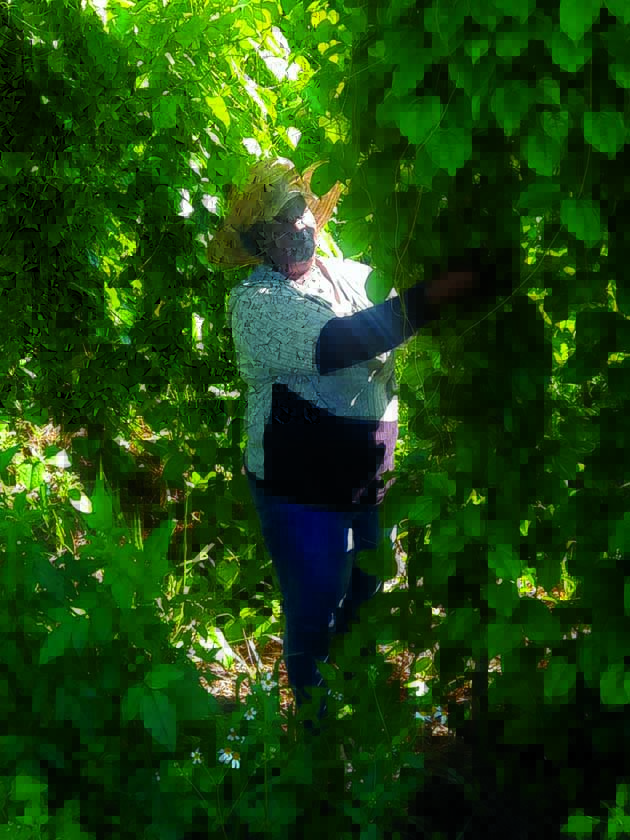
Woman farmer Julie Bryson-Hing tends to her yam plant on her farm in Mandeville, Manchester.
-
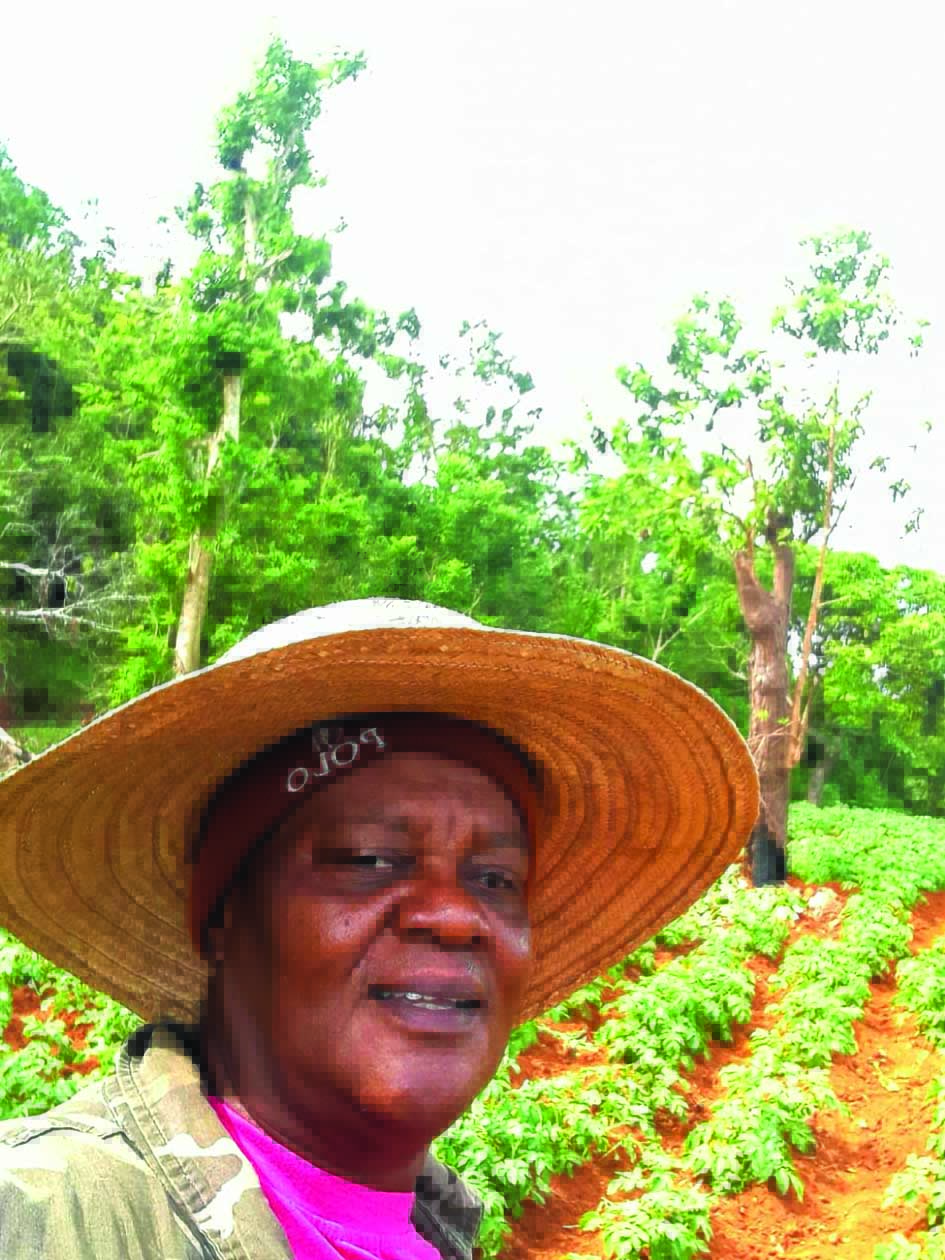
Woman farmer Julie Bryson-Hing shows off her crops at one of her farms.
-
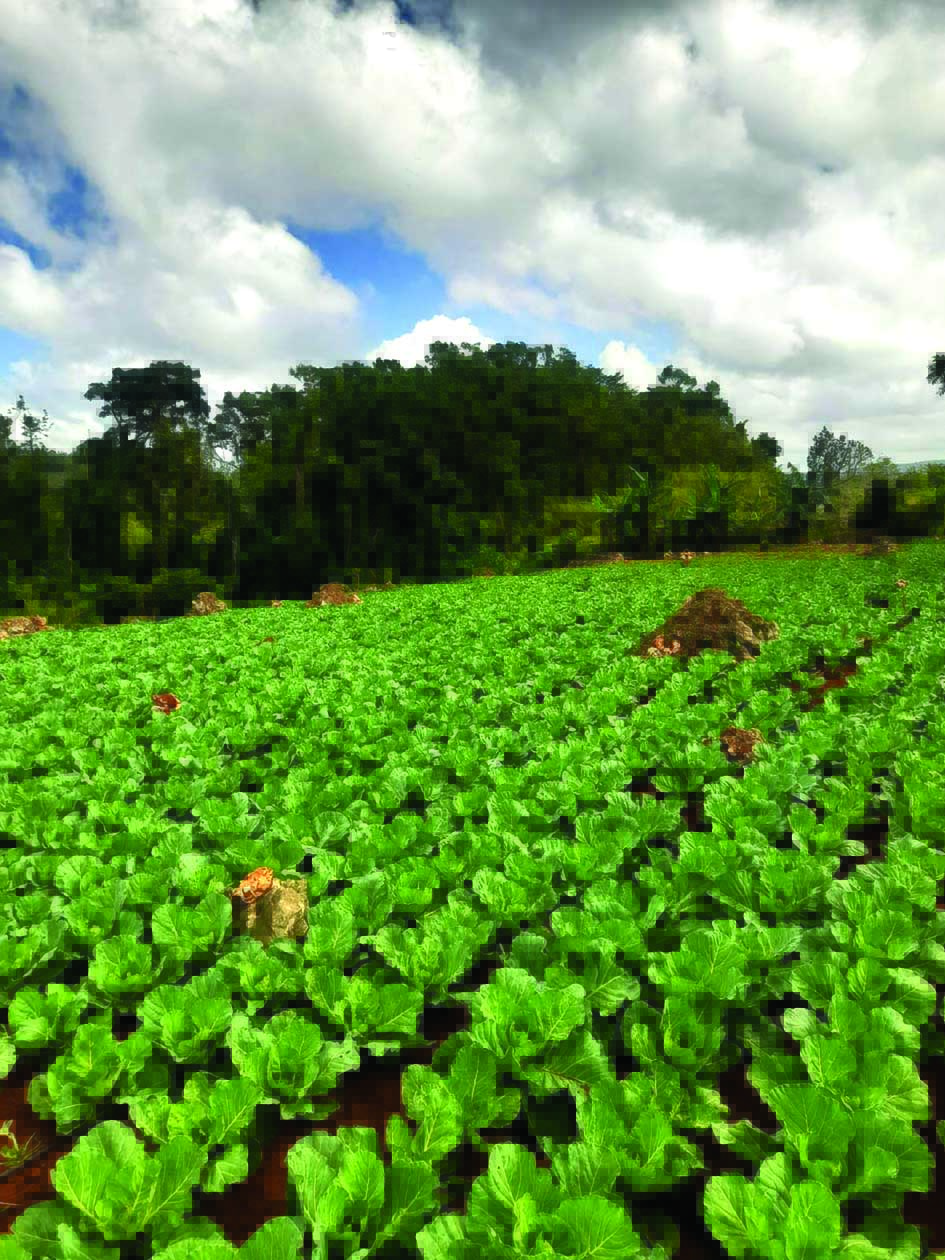
Cabbage line, the irrigation systems on Julie Bryson-Hing’s farm in Mandeville, Manchester.
Twenty-seven years ago, Julie Bryson-Hing walked out of a restaurant job after one dispute too many with her boss. She first considered opening a restaurant of her own but balked at the overheads and turned instead to farming.
“So, I go to check my sister… and she was saying to me I could plant a bag of Irish potato. And then I plant it, and then I go to my stepfather land, and I plant some yam. And from there, that's where I start farming,” Bryson-Hing recalls.
Today, she does more than get by. She runs a multisite agricultural enterprise spanning Spaldings in Clarendon and both Pike District and Mandeville in Manchester. Across these plots she grows yam, sweet potato, Irish potato, cabbage, sweet pepper, and hot pepper.
Bryson-Hing is among women farmers worldwide being recognised in 2026, designated by the United Nations as the International Year of the Woman Farmer. Led by the Food and Agriculture Organisation (FAO), the initiative highlights women’s role in food security and rural resilience and aims to narrow gender gaps in access to land, finance, and technology.
She describes farming as her “9-to-5”, one that has enabled her to buy land, build a house, and purchase both a pickup and a car. Yet beneath these gains lies a volatile business, one that often leaves her leaning on her faith.
“The thing about it, it's not all the while you put in, you get out of the farm. Sometimes you lose many crops behind one another, just lose, lose, before you can reap and succeed from one good one,” she said.
She recounts a recent effort to raise quick cash by planting 10,000 heads of cabbage using a drip-hose irrigation system. She spent $14,000 on seeds, paid $70,000 to a greenhouse technician, hired labour to prepare the land, and paid another worker $5,000, plus lunch, to spray the crop twice weekly. The harvest was strong; the returns were not. Higglers paid just $20 a pound.
“Would you believe me that I sell one Hi Ace bus full of cabbage one day for $40,000, and that was for 2,000 pounds of cabbage? So doing farming, I'm just doing it because I love it. If I check up how much I spend each time in the ground, I'm not going to do farming,” she said.
While she acknowledges that consumers need affordable food, she argues that farmers cannot continue to sell at margins that barely cover costs. For women, the constraints are sharper still. The work is physically demanding, forcing her to hire most of her labour. Although she relies on a loyal team of five men, another threat looms: praedial larceny.
Despite these challenges, Bryson-Hing has no intention of giving up. She urges other women to stick with farming, especially if they enjoy it.
“If I'm going to leave farming to go out there to work for $16,000 a week, that wouldn't make any sense. So, if you can do your little garden and have your little thing and sell … it's way better. It's struggling you know … but it's my 9-to-5 and … I wouldn't give up on farming. Not so easy,” she said.
Her ambitions remain intact. In the near term, she plans to rebuild a chicken coop destroyed by Hurricane Melissa and revive her poultry operations. Beyond that, she intends to add layer hens for egg production and expand into small ruminants, starting with goats.