Rachel Bartlett | The sickle cell conversation every Jamaican should have
Loading article...
-
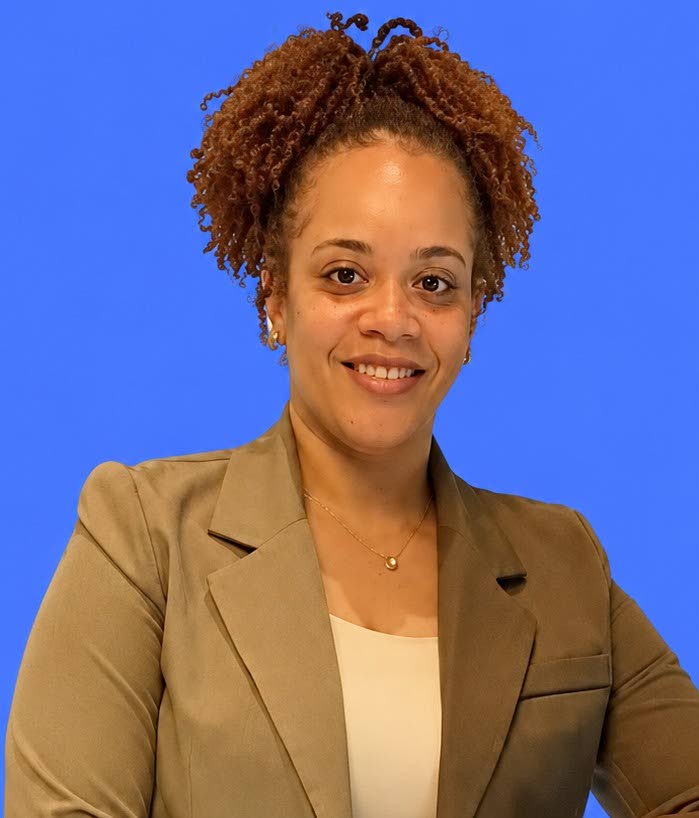 Rachel Bartlett. Photo - Contributed
-
Rachel Bartlett. Photo - Contributed
-
 Photo - pexels.com
A generation ago, many Jamaican children with sickle cell disease (SCD) were only diagnosed after becoming critically ill. Parents often found themselves in emergency rooms, trying to understand a condition they had never heard of while fearing for their child’s life. Today, because every newborn in Jamaica is screened for SCD at birth, children are identified within weeks and can begin receiving life-saving care long before serious complications arise.
Newborn screening (NBS), a simple blood test done shortly after birth, allows families to receive education, preventive care, vaccinations, monitoring, and treatment that significantly improve survival and quality of life. Children who, in previous generations, might not have reached adulthood are now completing school, pursuing careers, building families, and contributing meaningfully to Jamaican society. This is one of Jamaica’s significant public health successes. Yet there is another side to this story.
While NBS has transformed outcomes, it occurs after a child has already been born. By then, the biology is already decided. The test can tell parents what their baby has inherited, but it cannot hand them back the choices they might have made had they had more information. That is the gap less talked about.
Somewhere between two people meeting and them sitting in a delivery room, there is a window when a simple blood test could have changed everything about how they planned their family. NBS is designed to find and save the child after birth. It does far less to prepare people beforehand. This is where the Ministry of Health and Wellness’ “Know Your Status” initiative becomes important.
What is sickle cell, and why does status matter?
SCD occurs when a child receives the sickle gene from both parents. A person who inherits the sickle gene from only one parent has sickle cell trait. They are a carrier. Carriers are usually healthy and may go their whole lives without knowing they carry the gene unless they are tested. When both parents are carriers, there is a one-in-four chance, with every pregnancy, that their child will inherit the disease.
Many of the parents I counsel had no idea they carried the trait. They often learn it in the very same conversation where they learn that their newborn has SCD and that the condition came from both of them. In the midst of a life-changing diagnosis, they are also grappling with questions of heredity, responsibility, and what comes next. Many struggle with guilt even though neither parent knowingly caused the condition. These are difficult questions to confront when emotions are already running high.
At its heart, “Know Your Status” is not about telling people who they should love, date, marry, or have children. Public health should never be confused with social engineering. People living with SCD are worthy of love, companionship, marriage, and family life. They deserve the same opportunities for meaningful human connection as anyone else.
Rather, the initiative is about informed decision-making. Knowing one’s sickle cell status before entering a serious relationship or before starting a family does not eliminate every challenge. It does not dictate a single course of action. What it does provide is a head start. It is something you carry into whatever moment life hands you whether that moment arrives after two years of dating or after one unplanned night. A head start on weighing the options. A head start on building a plan that reflects a couple’s values, beliefs, circumstances, and hopes for the future.
The person who already knows their status isn’t hearing two pieces of devastating news at once: that they are a carrier, and that their child is affected. They are meeting the second piece already halfway prepared for it. The difference between receiving information before a major life decision and receiving it afterward can be profound. One path allows for preparation. The other often demands crisis adjustment.
As healthcare workers, we sometimes focus so heavily on the medical dimensions of SCD that we overlook its impact on relationships and family life. A diagnosis touches more than a child’s blood cells. It can affect how parents see themselves, how they relate to one another, how they navigate stress, and how they picture the future. Some couples emerge stronger. Others struggle under the weight of anxiety, blame, financial strain, caregiving demands, or differing views about future pregnancies. This introduces a critical area of need that goes beyond the scope of medicine. That is psychosocial support.
At the Sickle Cell Unit, we routinely offer medical and genetic counselling to families following a diagnosis to equip them to manage their child’s illness. However, families also need support that helps them process grief, communicate honestly, manage stress, and adjust to a new reality.
Imagine the difference if parents entered this journey with not only medical facts but also a framework for discussing fears, sharing responsibilities, making decisions together, and protecting their relationship while caring for their child. The goal is not merely to help children survive. The goal is to help families thrive.
What you can do
Finding out your sickle cell status is simple: one blood test, arranged through your doctor or public health centre. Whether you are a teenager thinking about your future, newly dating someone serious, or already planning a family, you can ask to be tested and receive counselling on what your results mean.
When we encourage Jamaicans to know their sickle cell status, we are not simply collecting information. We are giving individuals and couples the knowledge they need to shape some of life’s most important decisions. The future of sickle cell care in Jamaica must be more than survival. It must be informed choice, early intervention, compassionate support, and hope.
Rachel Bartlett is head nurse at the Sickle Cell Unit, Caribbean Institute for Health Research, UWI. Send feedback to columns@gleanerjm.com and rachel.bartlett@uwi.edu.