Reckoning over rights
Loading article...
-
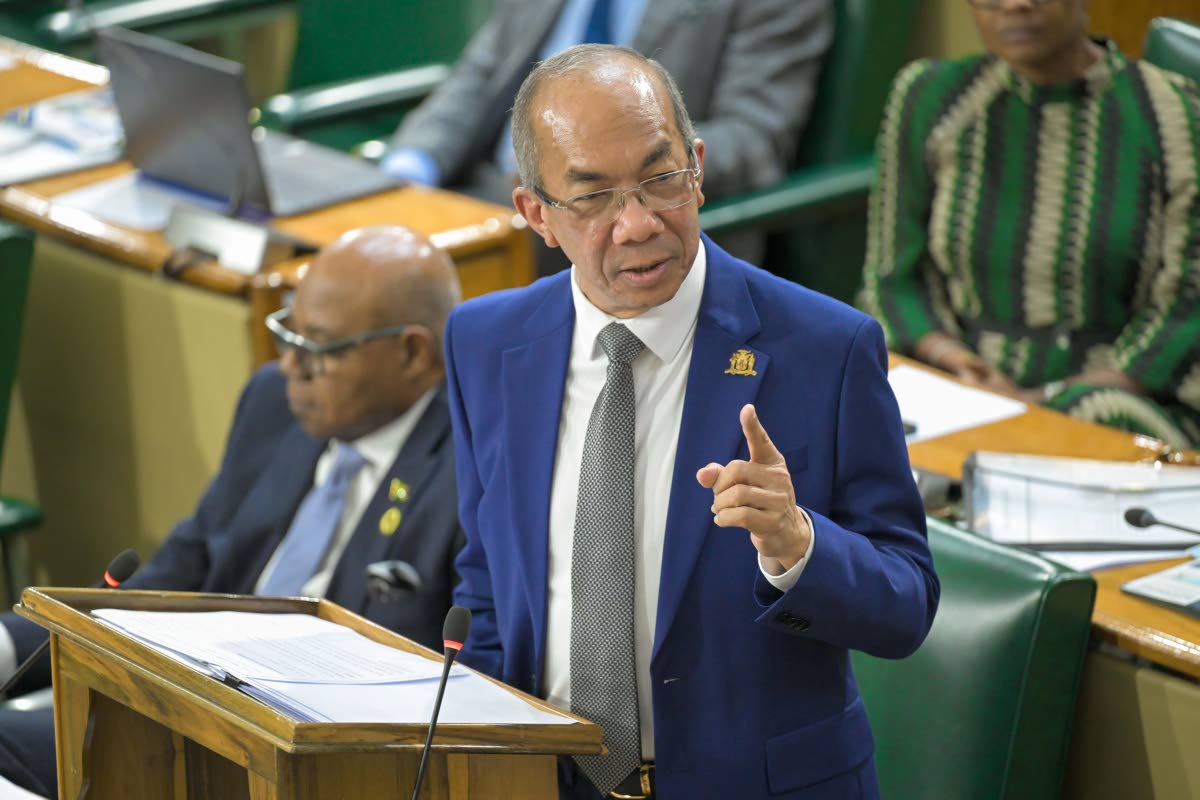 Minister of National Security and Peace, Dr Horace Chang
-
Minister of National Security and Peace, Dr Horace Chang
-
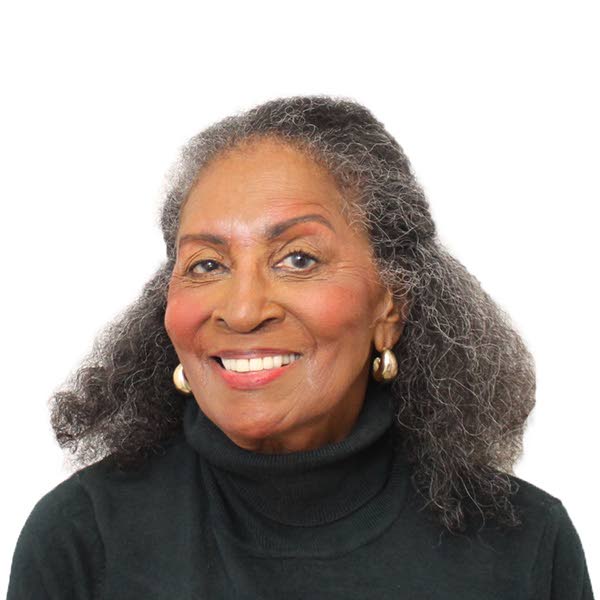 Kay Osborne, civil society advocate. Photo - Contributed
National Security Minister Dr Horace Chang’s assertion that legal challenges in the United States (US) against its third-country deportation policy are of no concern to Jamaica has drawn criticism from civil society advocate Kay Osborne.
Osborne described Chang’s statement as a “convenient deflection”, arguing that it sidesteps the Government’s responsibility to protect human rights under international law, including the obligation not to transfer people to places where they face torture or persecution.
“Those obligations don’t disappear because the litigation is in a US court,” she said.
Legal challenges to third-country deportations are ongoing in the US, where human rights advocates have argued that migrants are being removed without due process or a fair hearing. They also contend that deportees may be sent to countries where they face danger.
The 1951 Refugee Convention and its 1967 Protocol, to which Jamaica is a party, set out obligations relating to the protection of refugees, including the principle of non-refoulement, which prohibits returning people to places where they face persecution or other serious harm.
A local human rights group had previously stated that some third-country nationals (TCNs) being deported from the US already have US filings for withholding of removal or protection under the Convention Against Torture, indicating that they cannot safely return to their home countries.
US lower courts struck down third-country removal policies in February and September this year over due-process concerns. However, the Supreme Court subsequently allowed the deportations to continue through a temporary emergency stay while the wider legal dispute proceeds.
Oral arguments are scheduled for December.
“If it (Supreme Court) finds against the policy, Jamaica will have been a willing participant in removals that violate people’s rights, and that reflects on all of us as Jamaicans, not just on Washington. So yes, the Government should be very concerned,” Osborne said.
“There is also the potential legal liability if deportees were to sue Jamaica because of its involvement.”
Asked yesterday during a post-Cabinet press briefing at Jamaica House in St Andrew whether the Government had any liability concerns while the matter remained before the US courts, Chang dismissed the issue, saying “the court activity in the United States, is the concern of the United States Government”.
“We have signed a MOU in which we [are to] receive a number of third country nationals, once we have settled our operational agreement with the International Organization for Migration (IOM), and that process started yesterday with the 22 nationals,” he said.
Seven women and 15 men, nationals of Ecuador and a European country, arrived on a flight on Tuesday. There were no children in the group.
Chang said the deportees were being granted visitor status, with freedom of movement, and could explore immigration options beyond asylum if they wished to remain in Jamaica long term.
“They may ask to stay without going to asylum… they have the freedom to do so. They are here as visitors and if they have a skillset that is high in demand, they may apply. Doesn’t mean we have to accept, but they also apply for that as well as for refugee status.”
He said the IOM, a United Nations agency, had full responsibility for the deportees and would guide them through the asylum process.
Chang said the programme would be halted if 10 of the deportees opted to seek asylum.
The group is expected to return to their home countries within 14 days, and Chang has disclosed that a second batch should arrive in two weeks.
Meanwhile, Osborne has joined calls for the Government to table the agreement in Parliament. The Government has not released details of the arrangement, while the IOM has not publicly commented on it.
“Jamaicans deserve to know what has been agreed in our name. That includes what safeguards exist, and who carries the responsibility when things go wrong,” she said.
Chang reiterated that the TCNs had been screened for security and health concerns, adding that those accepted by Jamaica had no criminal backgrounds and were seeking better opportunities.
“They are individuals, you know, they are regular working people who have sought to migrate, but have done so illegally in the United States. The ones we accept, there are no criminals in there, they are families looking for a better life,” he said.
sashana.small@gleanerjm.com