The silent epidemic: Why non-drinkers are developing fatty liver disease
Loading article...
-

Melisa Anderson Cross
-
-
 At least 150 minutes of moderate aerobic exercise weekly along with resistance training has been shown to burn liver fat independently of weight loss.
For many decades, liver disease was almost exclusively attributed to excessive long-term alcohol consumption. But today, the demographic is shifting as busy professionals and other individuals are being diagnosed with liver disease without ever touching an ounce of alcohol.
This silent crisis is referred to as Metabolic Dysfunction-Associated Steatotic Liver Disease (MASLD), formerly termed non-alcoholic fatty liver disease (NAFLD). This disease is estimated to affect around 1.3 billion people worldwide, making it the most common cause of liver disease. Beyond its alarming prevalence, MASLD is rapidly becoming a primary driver of end-stage liver failure, cirrhosis, and liver cancer.
The pertinent question many may ask is: “If alcohol is not the culprit, then what is causing the liver to accumulate fat?”
The liver is the largest internal body organ, which detoxifies the blood by eliminating harmful substances like alcohol and drugs. When you consume food, it filters nutrients and converts blood sugar into energy for later use. The liver also stores important vitamins, makes proteins, and creates the majority of cholesterol in your body.
Unfortunately, the modern food landscape, compounded by a sedentary lifestyle, has fundamentally altered this balance. Studies have shown that the surge in MASLD is associated with the rise in consumption of hyper-processed foods and ultra-refined carbohydrates like high-fructose corn syrup, processed snacks, sodas, and fast foods. When consumed in excessive amounts, the liver converts the surplus into fat. Over time, this leads to the accumulation of fat droplets inside the liver cells.
Excess glucose is utilised during physical activity, but a sedentary lifestyle reduces energy usage and forces liver storage of excess nutrients. A diet high in sugar and processed foods, along with minimal physical activity, leads to insulin resistance and excess accumulation of fat in the liver. If this exceeds five to 10 per cent of the liver, fatty liver ensues, which causes inflammation, fibrosis, and liver scarring. It is important to note that fatty liver rarely occurs in isolation.
Insulin Resistance: The Core Driver
When we eat, the pancreas produces a hormone called insulin to move sugar into cells from the bloodstream. In individuals with insulin resistance, the cells do not respond efficiently to insulin. As such, the body responds by releasing even more insulin, which signals the liver to remove fat from the blood and store it in the liver. Additionally, the liver’s ability to burn its existing fat reserves is impaired. According to research, insulin resistance is the main underlying driver of MASLD. Individuals with abdominal obesity, prediabetes, type 2 diabetes, and increased blood cholesterol levels are at an increased risk.
Surprisingly, around seven to 10 per cent of people with MASLD have a normal weight. Research has shown that genetics, an imbalance in the gut microbiome, and excessive visceral abdominal fat can trigger insulin resistance even in individuals who appear to be lean.
The lack of early symptoms is what makes MASLD particularly dangerous. Individuals can live with fatty liver without feeling ill as there are virtually no pain receptors within the inner liver tissue. Although most cases of early-stage MASLD remain relatively benign, some cases may be accompanied by chronic inflammation. Early fatty liver is frequently discovered accidentally during routine liver function blood tests that show elevated liver enzymes or on abdominal ultrasound scans for unrelated reasons.
The Progressive Stages of MASLD
Simple Steatosis: This occurs when fat accumulates in liver cells without structural damage.
Inflammation: Characterised by swelling and active inflammation of the liver tissue.
Fibrosis: This happens when the liver develops scar tissue from continually attempting to repair itself.
Cirrhosis: This occurs when there is extensive liver scarring and hardening, which compromises functional capacity and significantly increases the risk of liver failure or liver cancer.
Reversing the Damage
Despite the grim statistics, there is a silver lining as the liver has a remarkable capacity to regenerate. The good news is that early stage MASLD can be reversed. Treatment primarily relies on targeted dietary and lifestyle modifications such as:
Sustained Weight Loss: According to research, losing five to seven per cent of total body weight can significantly reduce liver fat, while a 10 per cent weight loss can clear inflammation and potentially reverse early fibrosis scarring.
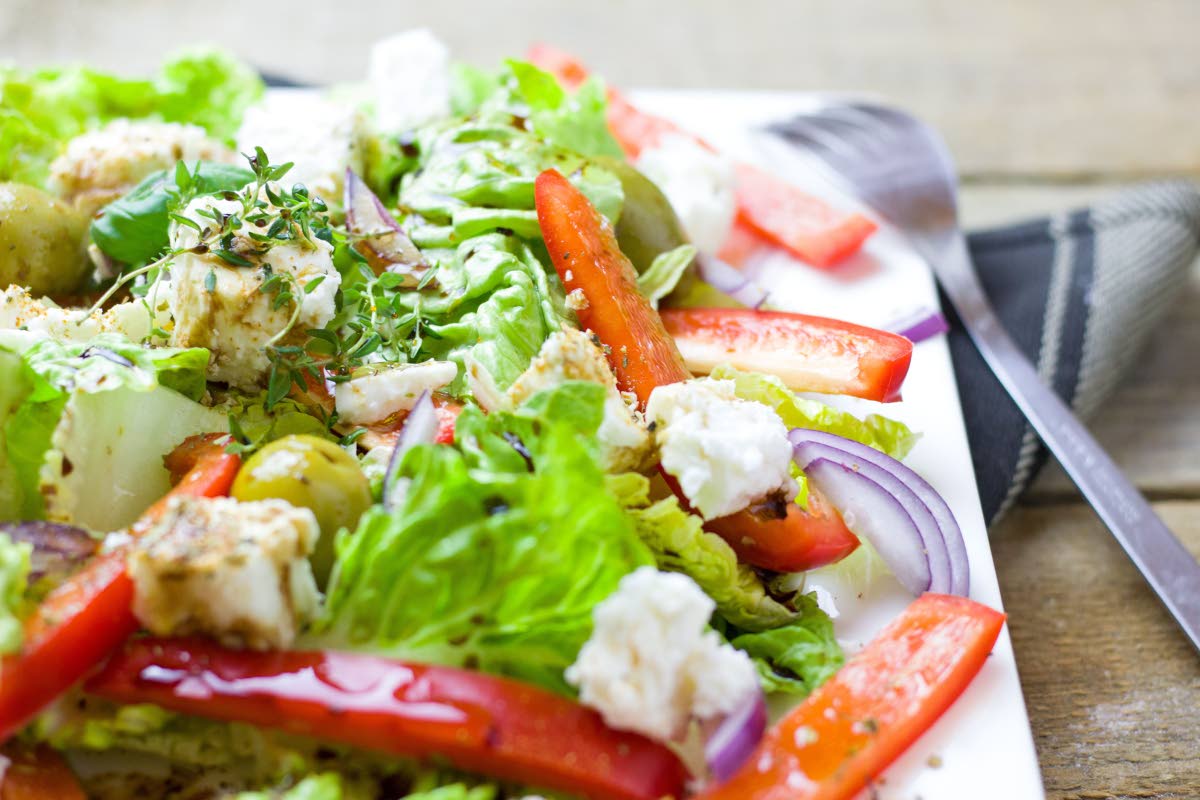
Dietary Modification: Reducing the consumption of processed sugars and refined carbohydrates while shifting towards a Mediterranean-style diet rich in fiber, lean protein, vegetables, and healthy fats helps restore insulin sensitivity.
Consistent Physical Activity: At least 150 minutes of moderate aerobic exercise weekly along with resistance training has been shown to burn liver fat independently of weight loss.
The rise of MASLD among non-drinkers serves as a clear warning. It reminds us that protecting our liver requires paying close attention to daily lifestyle choices. While medical options continue to evolve, taking control of our diet and staying physically active remain the most powerful tools we have.
Melisa Anderson Cross is the acting head, School of Allied Health and Wellness, in the College of Health Sciences at the University of Technology, Jamaica.