Ageing in place: Making home safer for the golden years
Loading article...
-
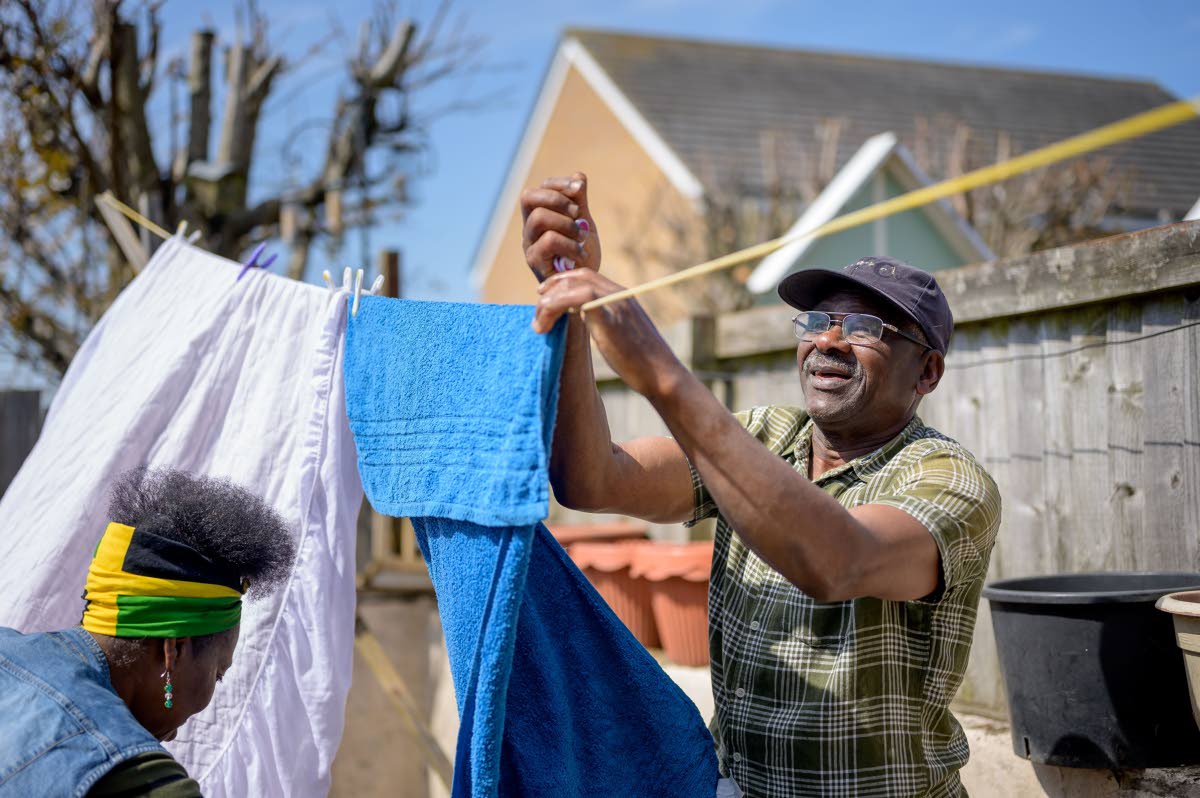 Simple, low-impact habits can dramatically improve coordination, stamina and confidence. Photo - pexels.com
-
Simple, low-impact habits can dramatically improve coordination, stamina and confidence. Photo - pexels.com
-
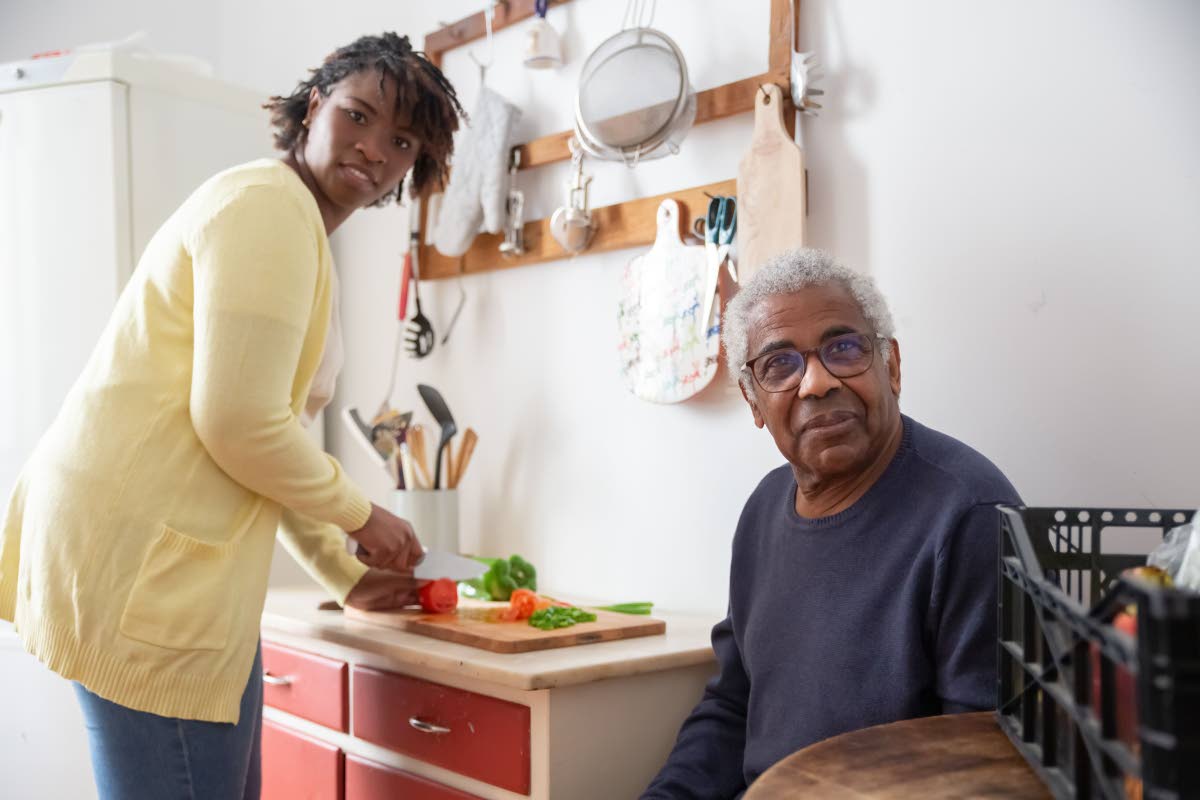 Ageing in place is the ability to continue to live in one’s home or community with access to health and social support. Photo - pexels.com
-
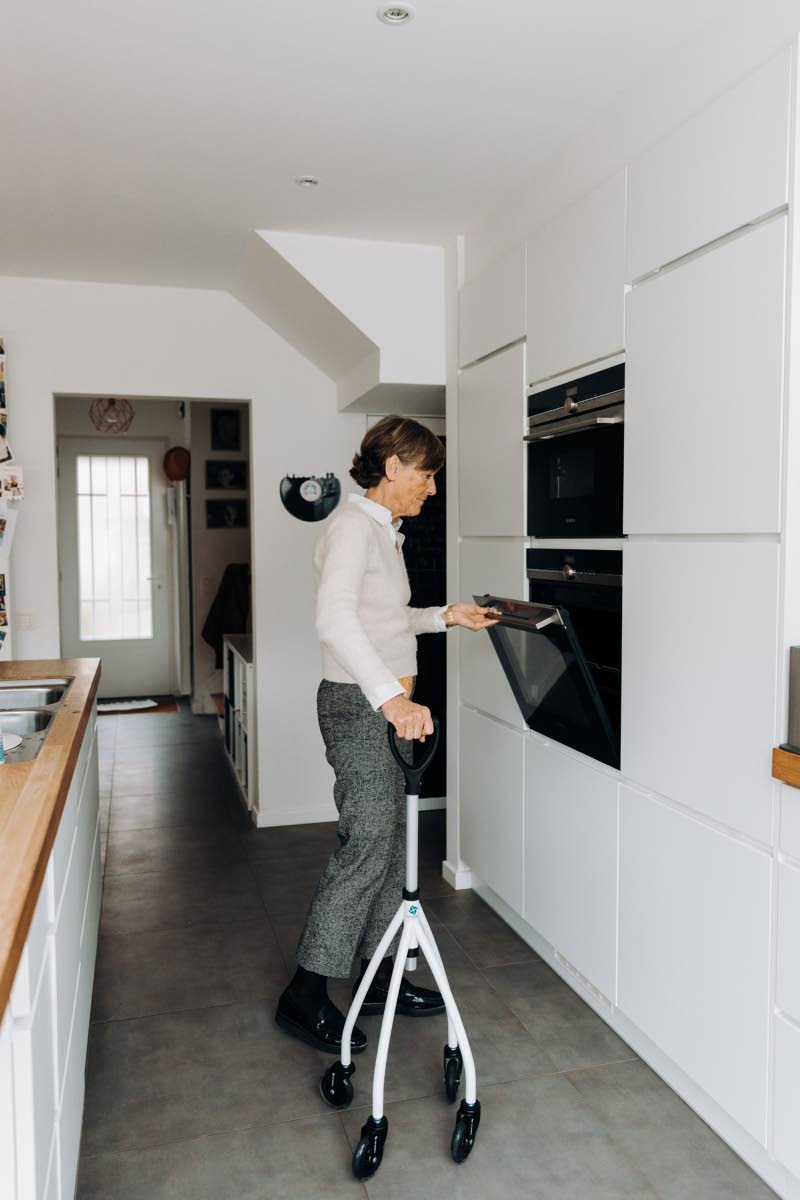 Choose levers that are easier for arthritic hands to operate. Photo - pexels.com
Ageing in place is the ability to continue to live in one’s home or community with access to health and social support. It’s a choice that most older adults would prefer rather than moving to assisted living, a nursing facility or another option.
There are three general considerations: making the home accessible and safe; building resilience, including the physical and mental capacity of the individual; and, finally, being intentional about seeking social connections. Combined, these support the ability to live independently and with dignity while maintaining the individual’s usual community ties.
Ultimately, the secret to successfully ageing in place is timing. Far too often, individuals or families wait for a medical crisis or a serious fall before they consider home modifications or the importance of exercise and cognitive stimulation.
A favourite chair that one struggles to get out of, holding on to the towel rail to get into or out of the tub or shower, or a coffee table that is in an awkward place can all contribute to a heightened risk of falls, which might have devastating long-term consequences.
Making inexpensive changes proactively, while the elderly person is healthy and independent, takes the panic out of the process. It transforms home safety from a stressful reaction into an empowering choice.
Ageing in place isn’t about shrinking one’s world; it’s about fortifying a personal sanctuary where a lifetime of memories has been built, ensuring that it remains safe for many more years to come.
So, how do we transition a home from simply a place we live in to an environment that actively supports us as our physical needs change?
Practical considerations for fall prevention
Safety and accessibility
The bathroom is an area that must always be considered. Slippery surfaces, the height of the toilet, properly placed and appropriately sized grab bars, sturdy shower or tub chairs, benches or stools, the optimal placement of towel rails, and the type of showerhead can all affect accessibility and safety. In some cases, it is best to replace a bathtub with a shower and chair.
Other areas of the home can be assessed for the need for non-skid and/or contrasting-colour tape on stairs. The placement of rugs or mats, unstable fixtures, uneven terrain leading to the home, uneven, loose or damaged steps, inadequate handrails, and uneven thresholds are all red flags for potential fall risks.
Lighting and other fall-prevention hazards
Dimly lit areas of the house and areas with clutter, obstacles, loose wiring or trailing cords can all pose fall risks, as can small pets that can get between one’s feet.
A lack of light switches at either end of the stairs, garden hoses across walkways, debris on sidewalks and patios, and weather-related hazard, such as slippery walkways caused by algae accumulation can also increase the risk of falls. Poor exterior lighting, particularly around entry steps, is another concern. Even incorrect footwear can compromise one’s safety.
Performance of activities of daily living
Choose levers that are easier for arthritic hands to operate, employ joint-protection techniques, and use assistive devices, such as jar openers or reachers to access items that are out of reach or to assist with dressing. Learning energy-conservation techniques and work-simplification strategies can also help.
Building resilience
While addressing the home is vital, ageing in place is a two-way street. A safe home is only as effective as the physical and mental capacity of the person living in it. Staying independent means proactively stimulating the mind and conditioning the body for the physical demands of daily life.
Simple, low-impact habits can dramatically improve coordination, stamina and confidence.
Balance and strength training: Gentle practices, such as tai chi, seated leg lifts, or standing on one foot while holding on to a sturdy kitchen counter can significantly improve stability and leg strength.
Flexibility and reach: Regular, gentle stretching keeps joints flexible. This helps to ensure that reaching for a glass on a shelf, bending down to lace up shoes or cutting toenails does not become a barrier to independence.
Stamina for daily tasks: Incorporating short, brisk walks, even just down the driveway and back, helps to keep the cardiovascular system strong enough to handle household chores.
Brain stimulation: Cognitive workouts help seniors build “cognitive reserve”, a brain buffer that can help protect against age-related decline. Engaging in diverse, mentally stimulating activities can help to keep the mind active.
Novel and creative challenges
The brain thrives on learning things it does not already know how to do. Activities may include:
Learning a new language or musical instrument.
Potting plants or developing a garden that requires regular care.
Exploring creative arts, such as taking a pottery, watercolour painting or creative-writing class.
Participating in activities that require planning, memory and strategy.
Doing classic puzzles, with print or pieces large enough for the individual to see comfortably.
Playing strategic games that require players to anticipate an opponent’s moves, exercising executive-function skills.
Using digital brain games or online learning platforms.
The power of connection
While a safe physical home, a strong body and a stimulated mind are parts of the solution, social connections and building a community are also important for preventing isolation.
Building a web of support does not have to be complicated. This may include daily or weekly walks or another type of “date”, such as visiting a care facility for children with a neighbour or fellow church member.
It is also useful to set up a simple daily “check-in” system with family or friends. These small points of contact keep seniors connected to the world outside their front door.
The occupational therapist plays a significant role in the success of elderly persons ageing at home. The initial assessment provides information about the individual, the home and the community in which he or she lives.
If the person is leaving hospital to return home, the rehabilitation process should include activities that the individual will need to perform at home. Only three hospitals in Jamaica can offer their patients this vital service; all other occupational therapists are in private practice.
The theme for World Federation of Occupational Therapists (WFOT) 2026 is ‘Participation Matters’.
Submitted by the Occupational Therapy Association of Jamaica (OTAJ).