Build Back Better programme restores 120 schools
Loading article...
-
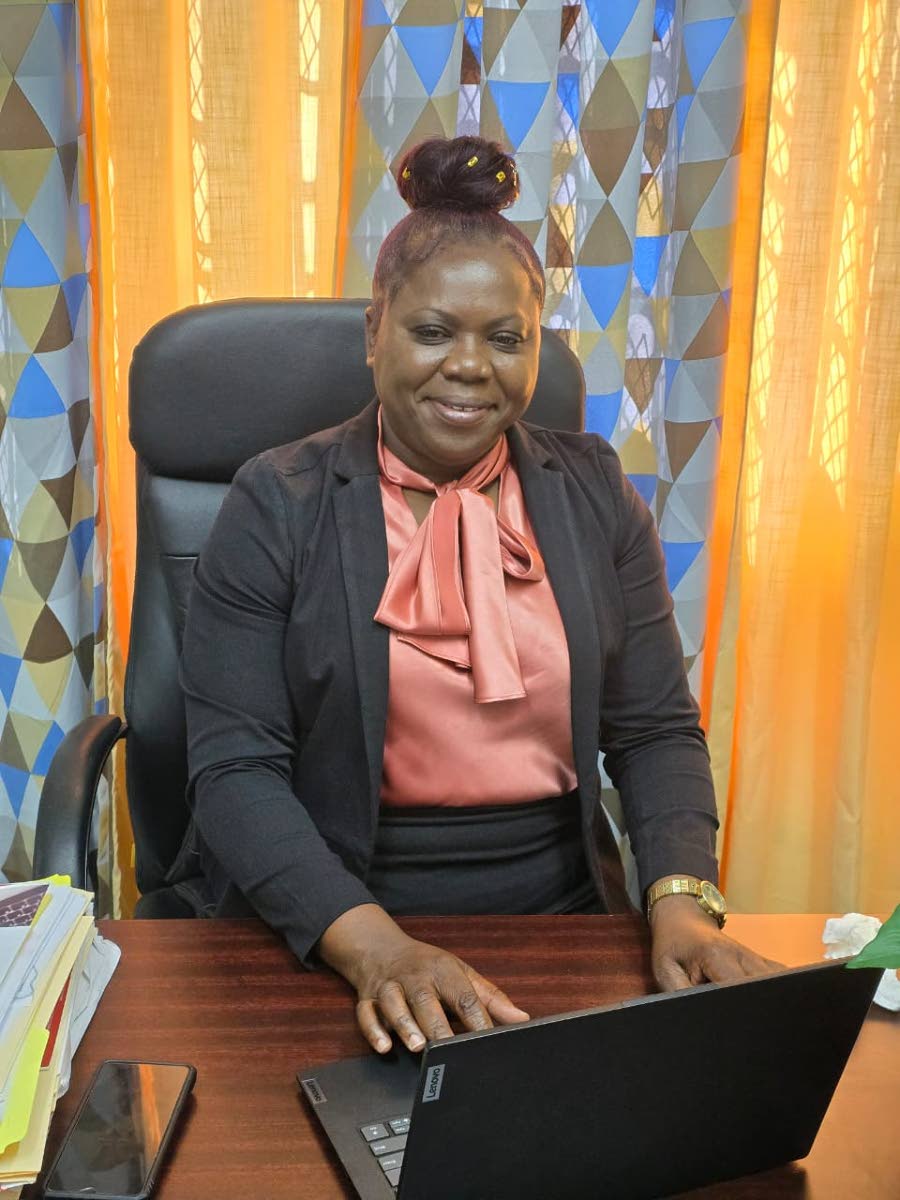 Beverley Feare, principal of Maud McLeod High School. Photo - Contributed
-
Beverley Feare, principal of Maud McLeod High School. Photo - Contributed
-
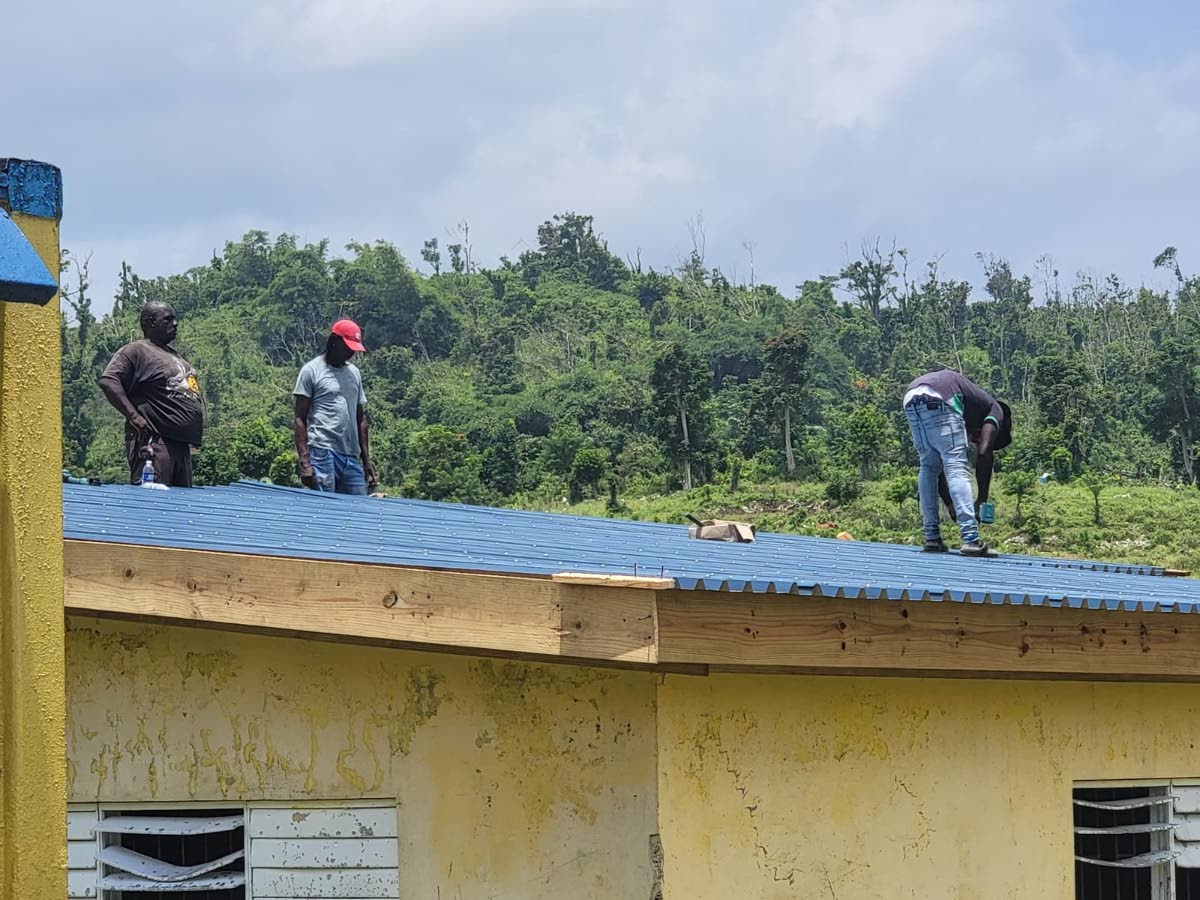 Contractors carry out reconstruction work on the agricultural science block at Maud McLeod High School. Photo - Contributed
-
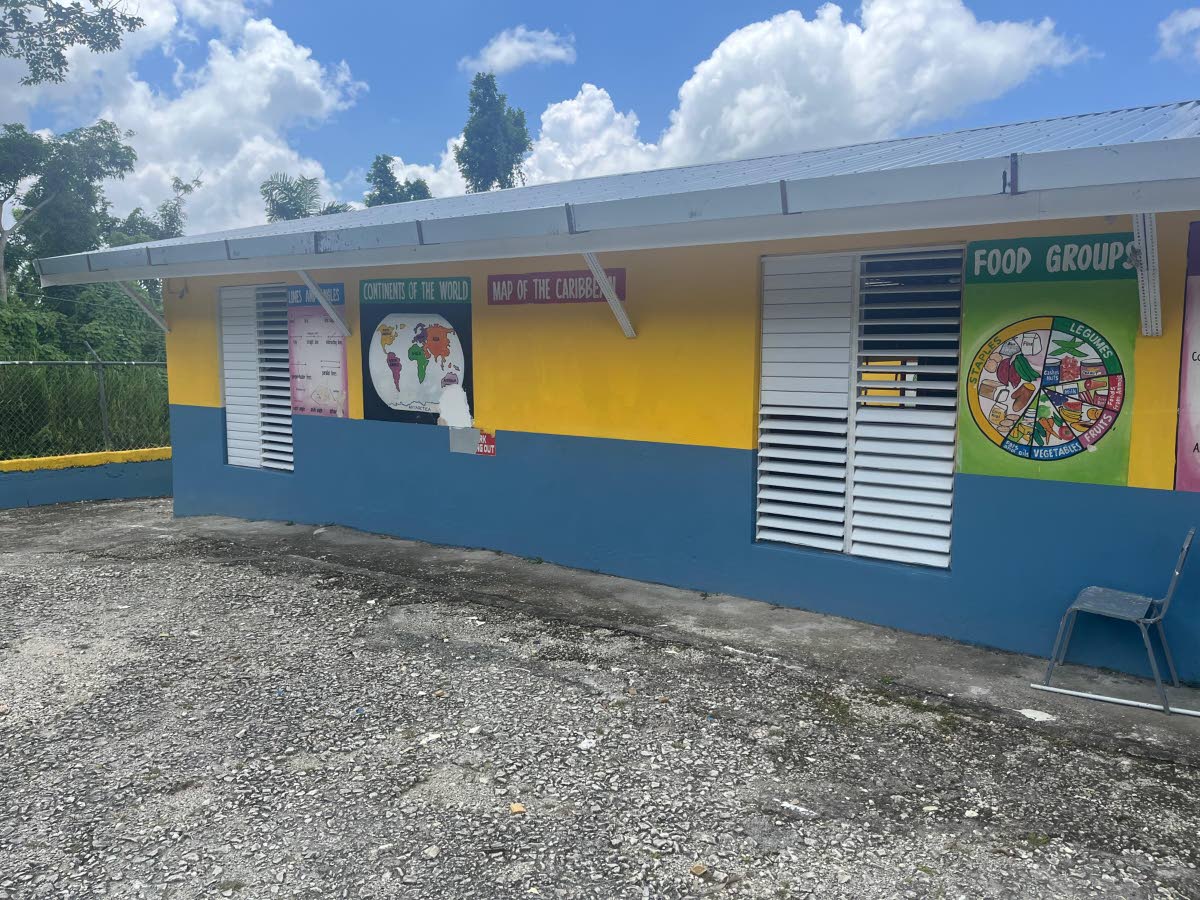 Beaufort Primary. Photo - Contributed
-
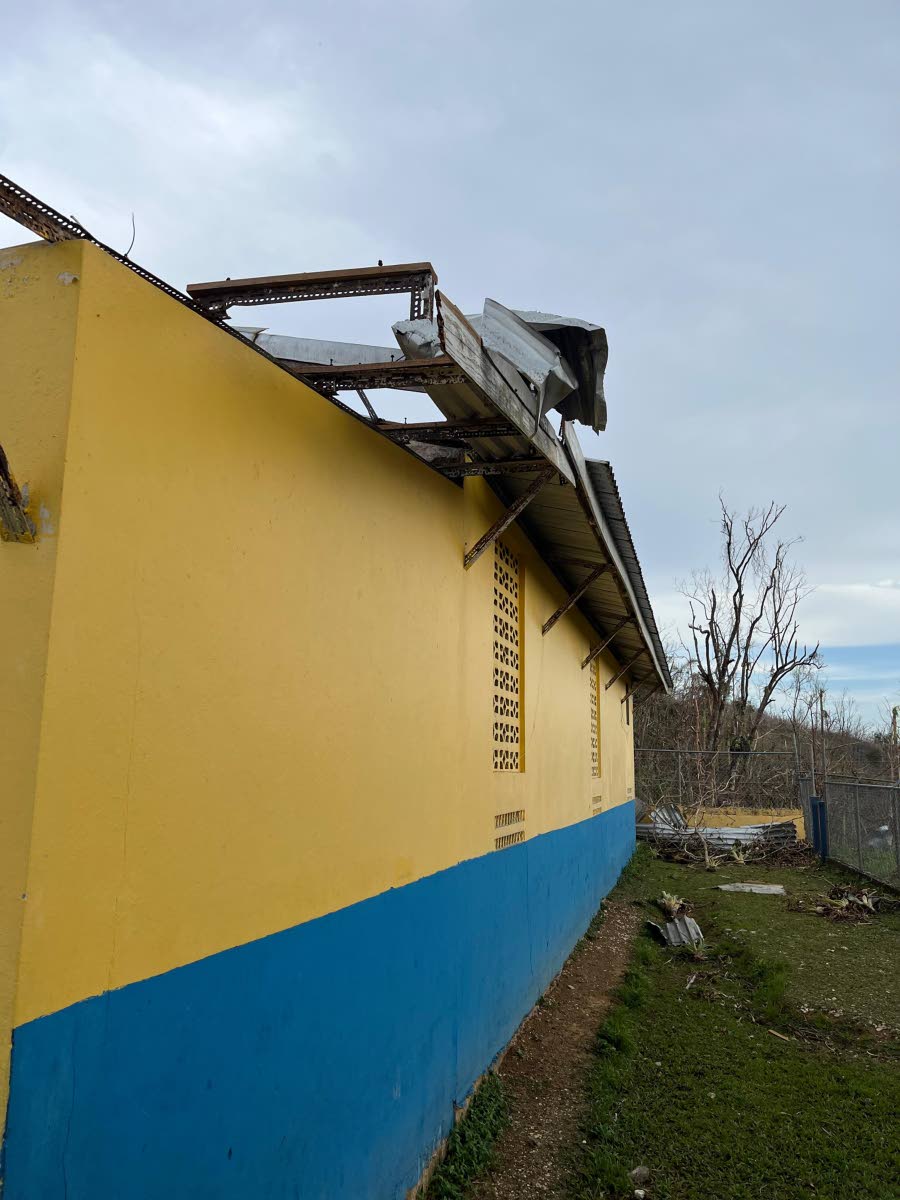 Beaufort Primary after Hurricane Melissa. Photo - Contributed
-
 Heather Spence, principal of Beaufort Primary School. Photo - Contributed
More than three-quarters of the schools completed under the National Education Trust's (NET) Build Back Better programme are located in parishes hardest hit by Hurricane Melissa, reflecting the scale of the recovery effort almost a year after the storm.
Of the 151 schools completed so far, 120 are in parishes that bore the brunt of the hurricane. The programme, which aims to strengthen school infrastructure and improve learning environments, prioritises repairs and reconstruction based on the severity of damage.
When schools reopened in September, work had been completed at 57 of the 308 institutions classified as Priority One. All schools in the Priority Two and Priority Three categories were operational, with rehabilitation work continuing. Of the 151 schools completed to date, 144 fall within the Priority One category.
The largest share of completed projects has been in the western parishes. In Region Four, comprising Westmoreland, Hanover and St James, 55 schools have been rebuilt. Region Three, which includes St Ann and Trelawny, accounts for 36 completed schools, while 29 have been completed in Region Five, covering Manchester and St Elizabeth.
The remaining projects include 11 schools in St Catherine, seven across St Mary, St Thomas and Portland, five in Clarendon and one in Kingston and St Andrew.
NET said a further 66 schools are expected to be completed by December.
Building for resilience
The Build Back Better programme, which runs through to 2030, aims to go beyond restoring damaged facilities. Given that many school buildings are more than 50 years old, the initiative places emphasis on structural assessments, engineering recommendations and higher construction standards designed to improve resilience to future disasters.
The programme also incorporates green-building technology as part of broader efforts to modernise educational infrastructure.
Yet, alongside the physical reconstruction is a story of resilience within school communities, particularly in some of the areas most severely affected by the hurricane.
Beverley Feare, principal of Maud McLeod High School in Darliston, Westmoreland, said the school will mark the anniversary of Hurricane Melissa with a thanksgiving service.
“There is a lot to give thanks for. We’re all eager to have schools completed – that’s natural, but what should not be lost on us is the resilience shown through all the devastation. We lost the entire agricultural science area – the greenhouse, slaughterhouse for chickens, classroom, equipment and more. Our thanks to NET and others for rebuilding work that’s still in progress – but, when we opened our doors in January of this year, our spirits were not battered. School represented hope for most as the community was devastated. It was here at school that all types of relief could be sought and secured – for both students and teachers. We were never giving up.”
At Beaufort Primary School in Orange Hill, Westmoreland, Principal Heather Spence recalled how the school reopened just weeks after the hurricane.
“Work is ongoing … but the roof is back on, windows have been changed, cupboards restored and water tanks have been installed. Coming back to school was what mattered, as the majority of homes in the community were destroyed. Folks moved out, others went to live with other family members, so returning to school brought us all together. That’s important. Nothing distracted the children from their studies, as they were all eager to learn. School – with all our challenges – was a lifeline.”
Latoya Harris-Ghartey, executive director of NET, said the programme is focused not only on rebuilding, but on creating stronger and more modern learning environments.
“We are building safe, modern and resilient environments for our children to learn and thrive, and what’s important for us is that our schools are up to the 21st century standard to positively impact our education transformation delivery and drive.”