Dwight Fletcher | Can ordinary Christians pray for healing?
Loading article...
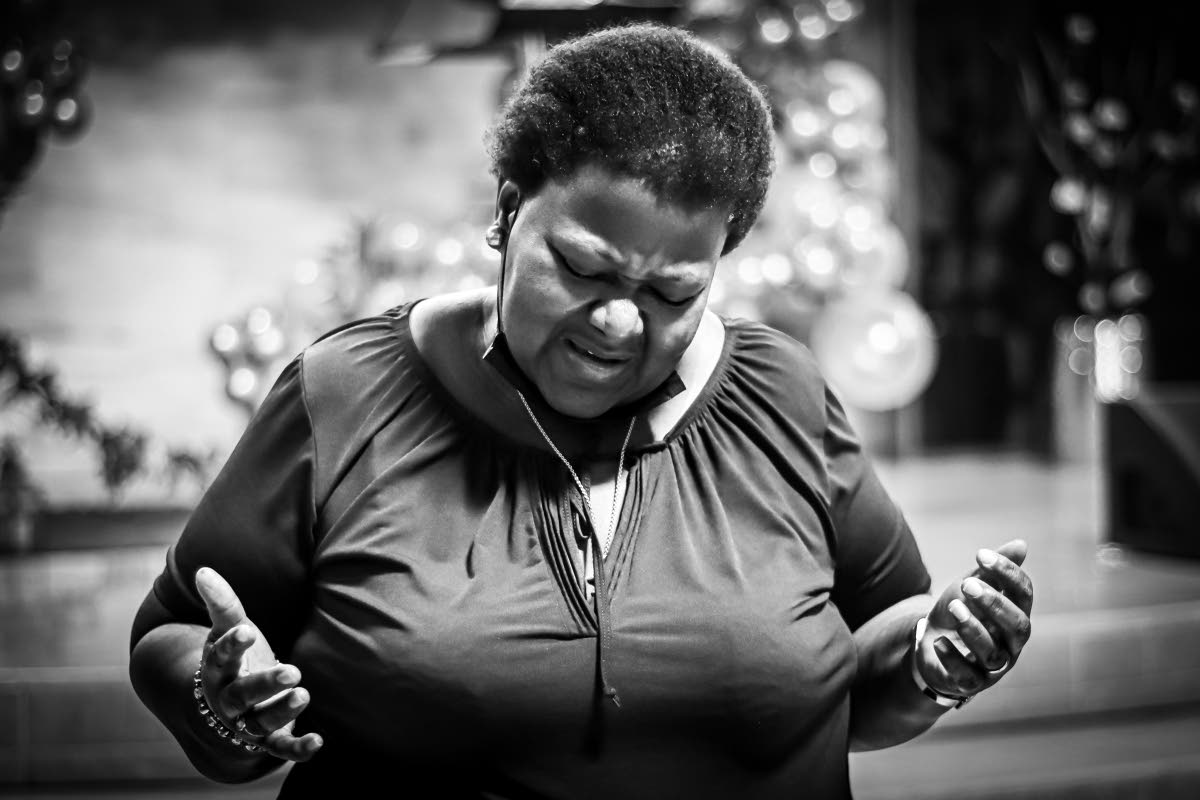
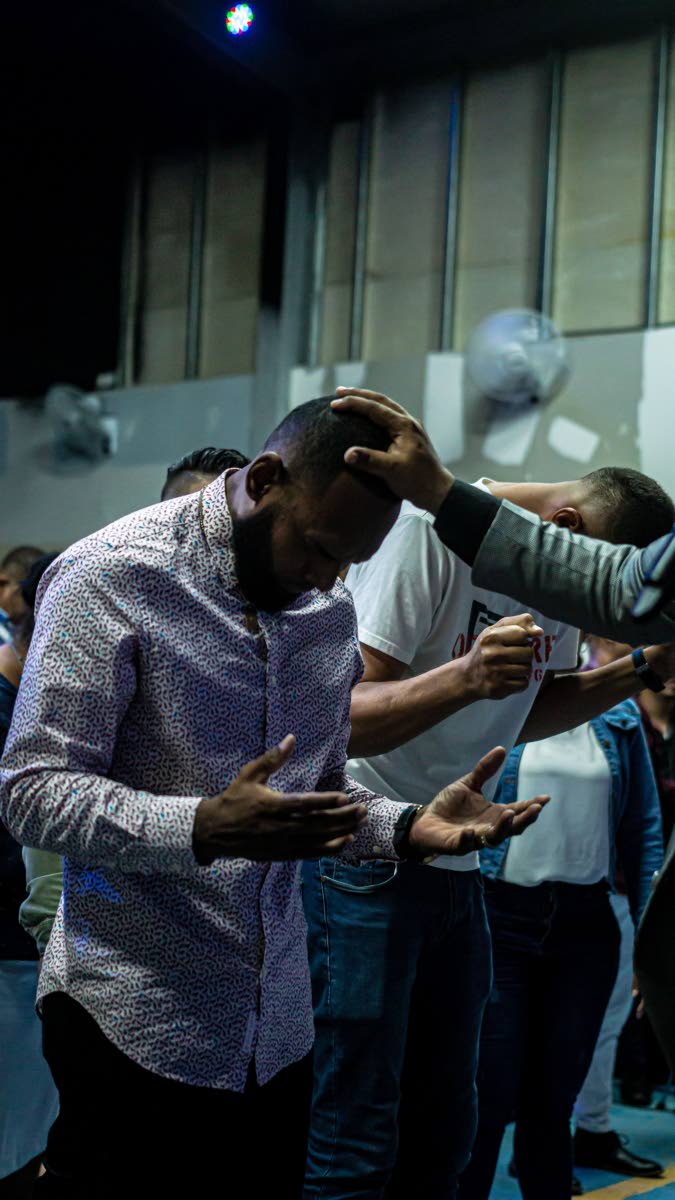
Have you ever wanted to pray for someone who was sick but hesitated because you thought, “What if nothing happens?” Many believers struggle with that question. We admire the faith of pastors, or seasoned Christians, but we are unsure whether praying for healing is something ‘ordinary believers’ should do.
If the last two articles reminded us that healing reflects God’s heart, the next question is a natural one: If God desires to heal, who does He invite to pray?
The answer may surprise you. Before Jesus returned to Heaven, He gave His followers a commission that extended beyond preaching. In Mark 16:17-18 (NKJV), He said, “These signs will follow those who believe ... they will lay hands on the sick, and they will recover.”
Notice who Jesus addressed. He did not say these signs would follow only apostles, pastors, or those with a special ministry. He said, “those who believe”. His words point to ordinary followers of Christ who are willing to trust Him.
Throughout the New Testament, we see this pattern repeated. The early Church did not leave ministry to a select few. Believers prayed. They encouraged one another. They cared for those who were hurting. Healing was not treated as a performance but as a natural expression of God’s compassion flowing through His people.
That perspective can change the way we think about prayer.
Many of us approach prayer for healing as though we must first become experts in faith. We worry about saying the right words or having enough confidence. Yet Jesus consistently directed people’s attention away from religious performance and back to trust in God.
Praying for healing is not about having extraordinary ability. It is about simple obedience. We pray because Jesus invited us to. The outcome remains in God’s hands, but the responsibility to pray is ours.
Think about everyday life in Jamaica. A colleague shares that migraines are becoming unbearable. A neighbour is awaiting test results. A family member is battling anxiety after losing a job. Our first instinct is often to say, “I’ll keep you in my prayers,” sometime later. What if, when appropriate, we simply asked, “Would you mind if I prayed with you now?”
That prayer does not need impressive language. It can be sincere, compassionate, and brief. Sometimes God works in remarkable ways. Sometimes healing unfolds over time. Sometimes He strengthens people as they walk through difficult seasons. We do not control the result, but we can faithfully respond to His invitation to pray.
The Apostle James encouraged believers: “Is anyone among you sick? Let them call the elders of the church to pray over them ...” James 5:14-15 (NIV). While church leaders have an important role in praying for the sick, this does not diminish the calling of every believer to pray. Rather, it reminds us that healing prayer is meant to be part of the life of the Church, not reserved for special occasions.
Fear often keeps us silent. We fear disappointment, awkwardness, or unanswered questions. But love gives us a better reason to act. When we pray for someone, we are expressing God’s care for them. Whether the answer comes immediately, gradually, or in ways we do not yet understand, we have pointed someone towards the One who is compassionate and able.
This week, if someone shares a need with you, ask whether you can pray with them. Keep it simple, trust God with the outcome, and leave room for Him to work.
Next week, we’ll consider why we often ignore the “small” struggles in our lives and why God invites us to bring even those before Him.