Met Service urges Jamaicans to prepare for drier, warmer summer amid developing El Niño phenomenon
Loading article...
-
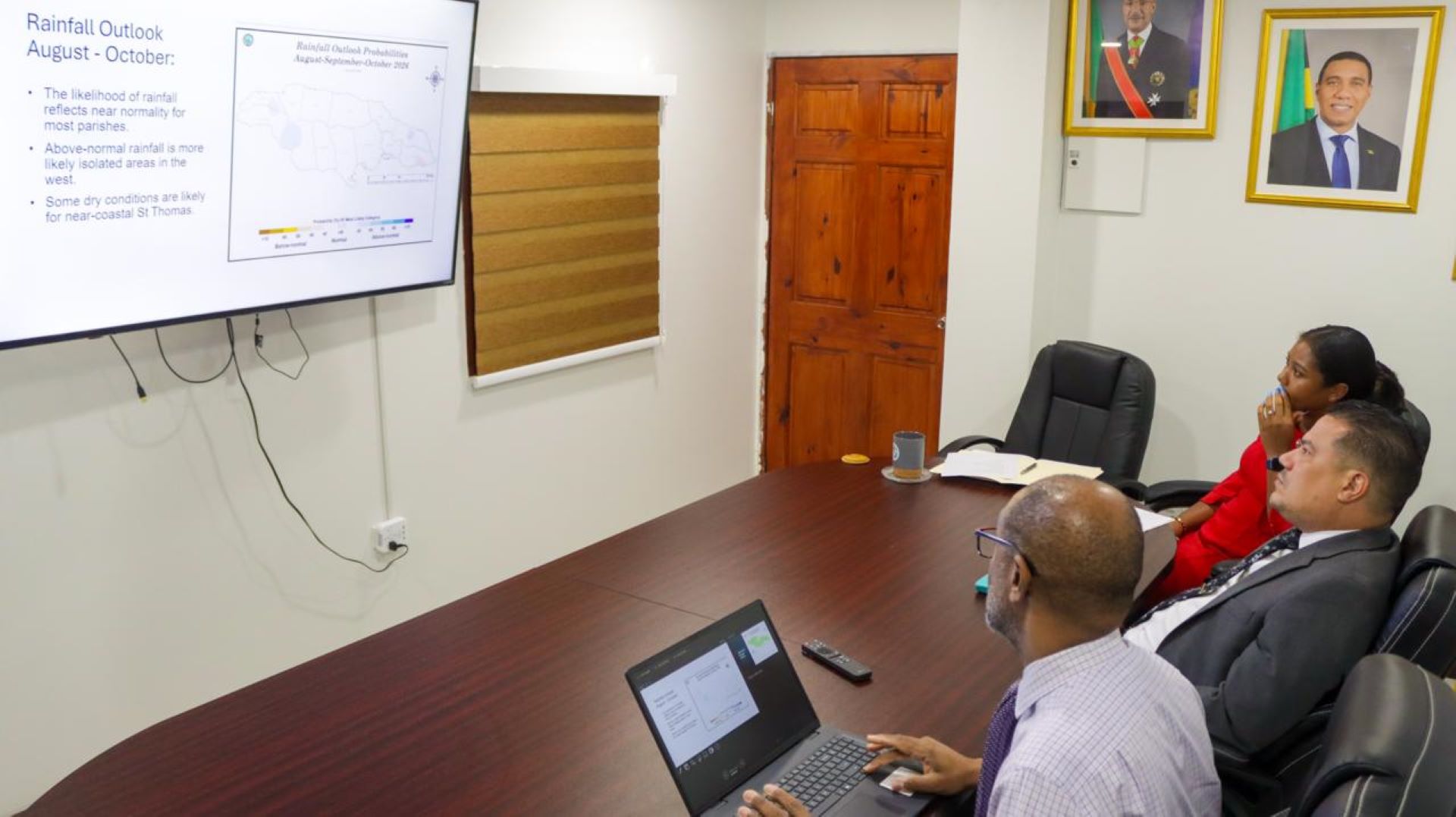
Contributed photo
-
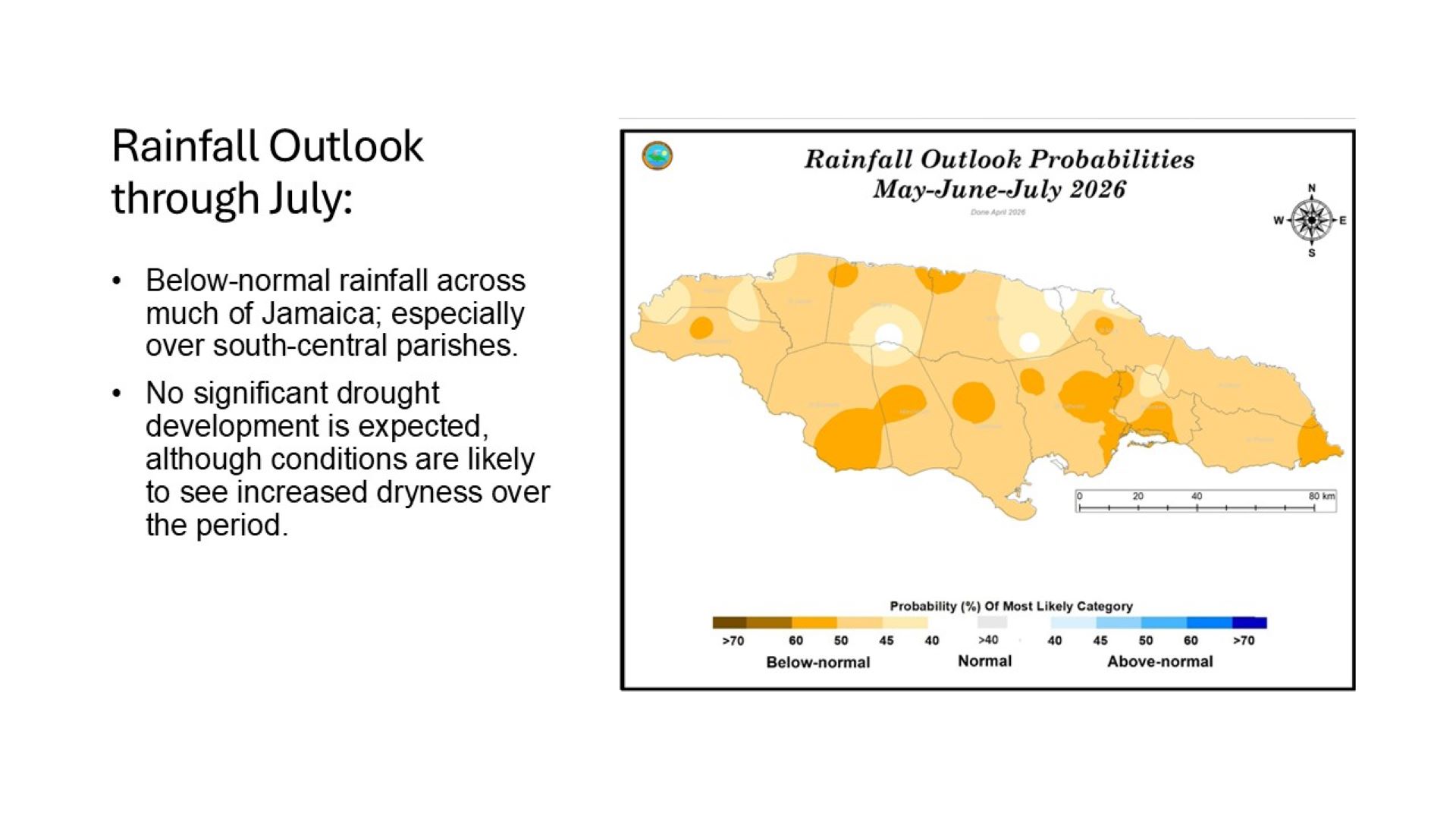
The Meteorological Service of Jamaica is warning of a developing El Niño phenomenon which is expected to result in reduced rainfall and increased temperatures across Jamaica and other parts of the Caribbean.
It says such conditions may present challenges for water resources, agriculture and broader environmental systems, including increased heat stress affecting crops and livestock.
Amid this development, the National Drought Management Committee has been activated and is slated to meet within the next 10 days.
The Meteorological Service says while Jamaica experienced above-average rainfall across much of the traditional dry season between January and April 2026, recent observations have shown a shift toward warmer and drier conditions in several areas of the country.
It says current climate indicators suggest the likely emergence of a major El Niño event during the year.
The Meteorological Service says it is continuing to assess the developments through ongoing climate analysis, forecasting models and collaboration with regional and international partners to ensure the country remains informed and prepared.
"We have observed a reduction in rainfall activity alongside increasing temperatures across sections of the island, and our team continues to closely monitor the developing El Niño conditions. While there remains some uncertainty regarding the strength and progression of the event, we are maintaining heightened vigilance and will continue to provide timely updates as more information becomes available," Principal Director of the Meteorological Service, Evan Thompson, said.
The Ministry of Water, Environment and Climate Change is encouraging Jamaicans to remain informed through official weather advisories and to continue practising responsible water use and preparedness measures.
The El Niño-Southern Oscillation (ENSO) is a natural cycle that causes water temperatures in the eastern Pacific Ocean near the Equator to fluctuate every two to seven years.
Warmer than normal water in that area is called an El Niño pattern, and cooler than normal water is known as a La Niña.
Follow The Gleaner on X and Instagram @JamaicaGleaner and on Facebook @GleanerJamaica. Send us a message on WhatsApp at 1-876-499-0169 or email us at onlinefeedback@gleanerjm.com or editors@gleanerjm.com.