Jamaica’s police expertise now in demand across Caribbean, says PM
Loading article...
-
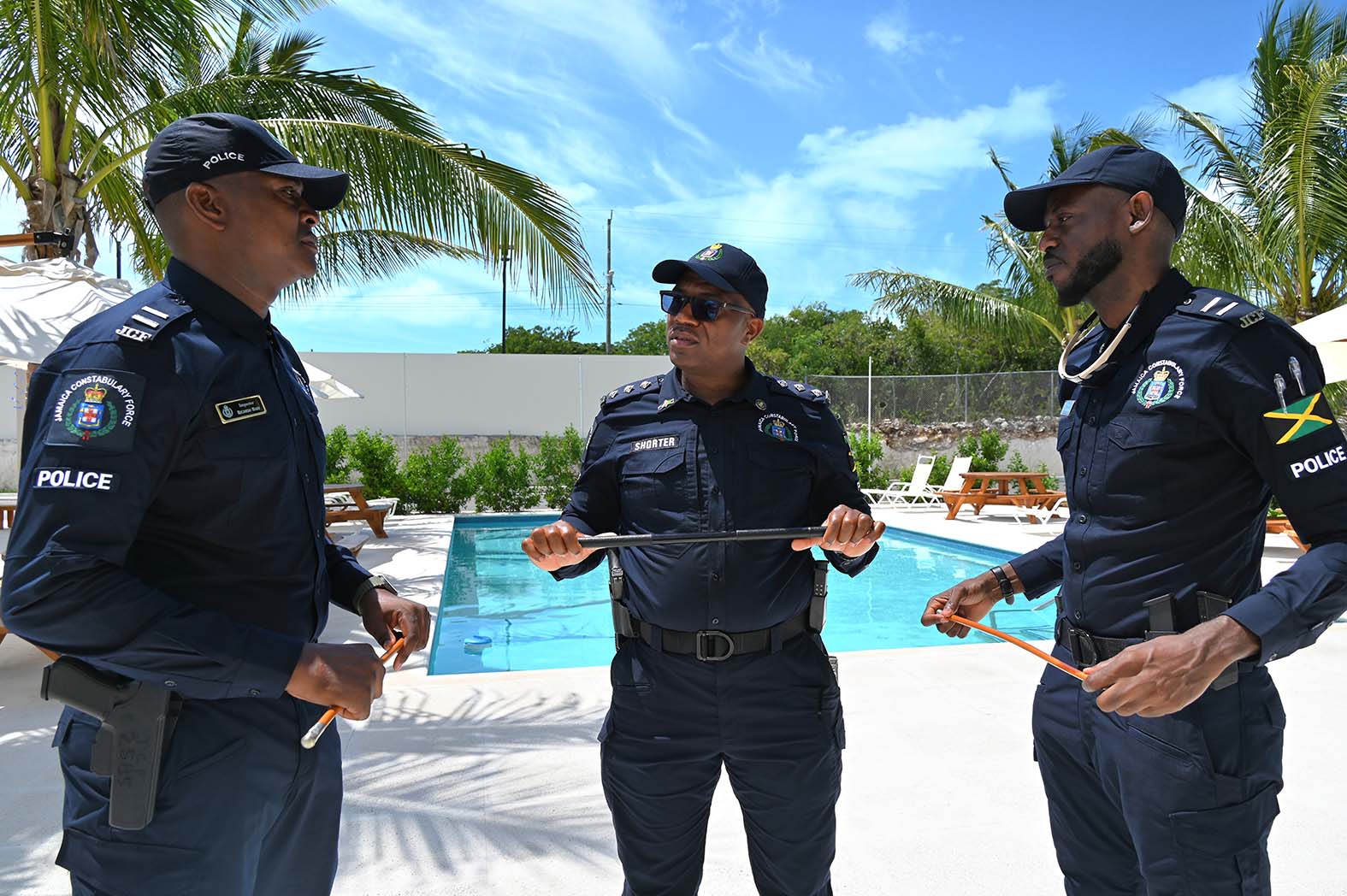
Deputy Superintendent Nicholas Shorter (centre) in conversation with Inspector Ricardo Hare (left) and Detective Inspector Ryan Hutchinson at the Sunflowers Residence in Turks and Caicos on Saturday. They have been stationed in the self-governing British overseas Caribbean territory since last year.
-
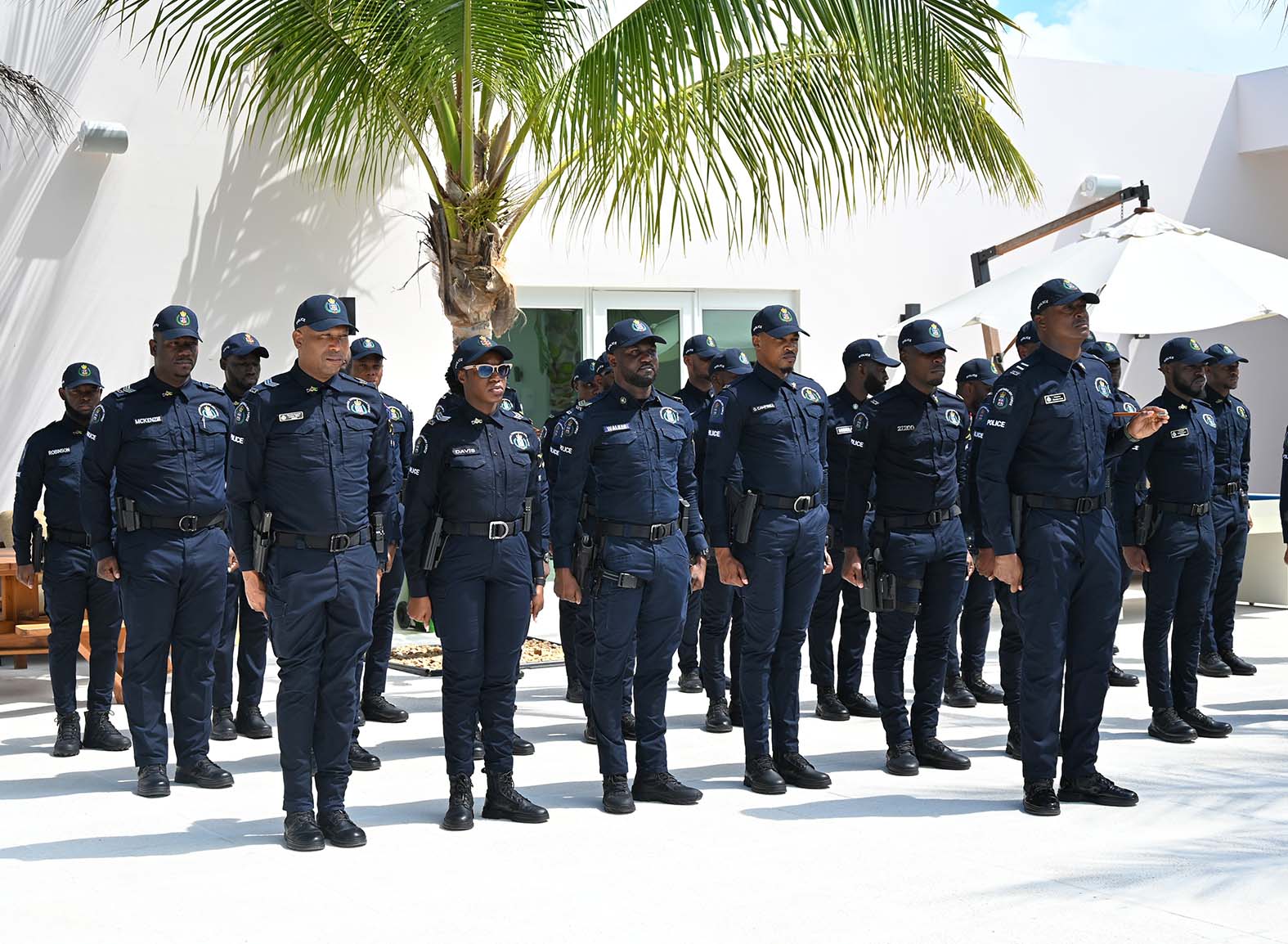
Members of the Jamaica Constabulary Force (JCF) deployment working with the Royal Turks and Caicos Island Police Force.
-
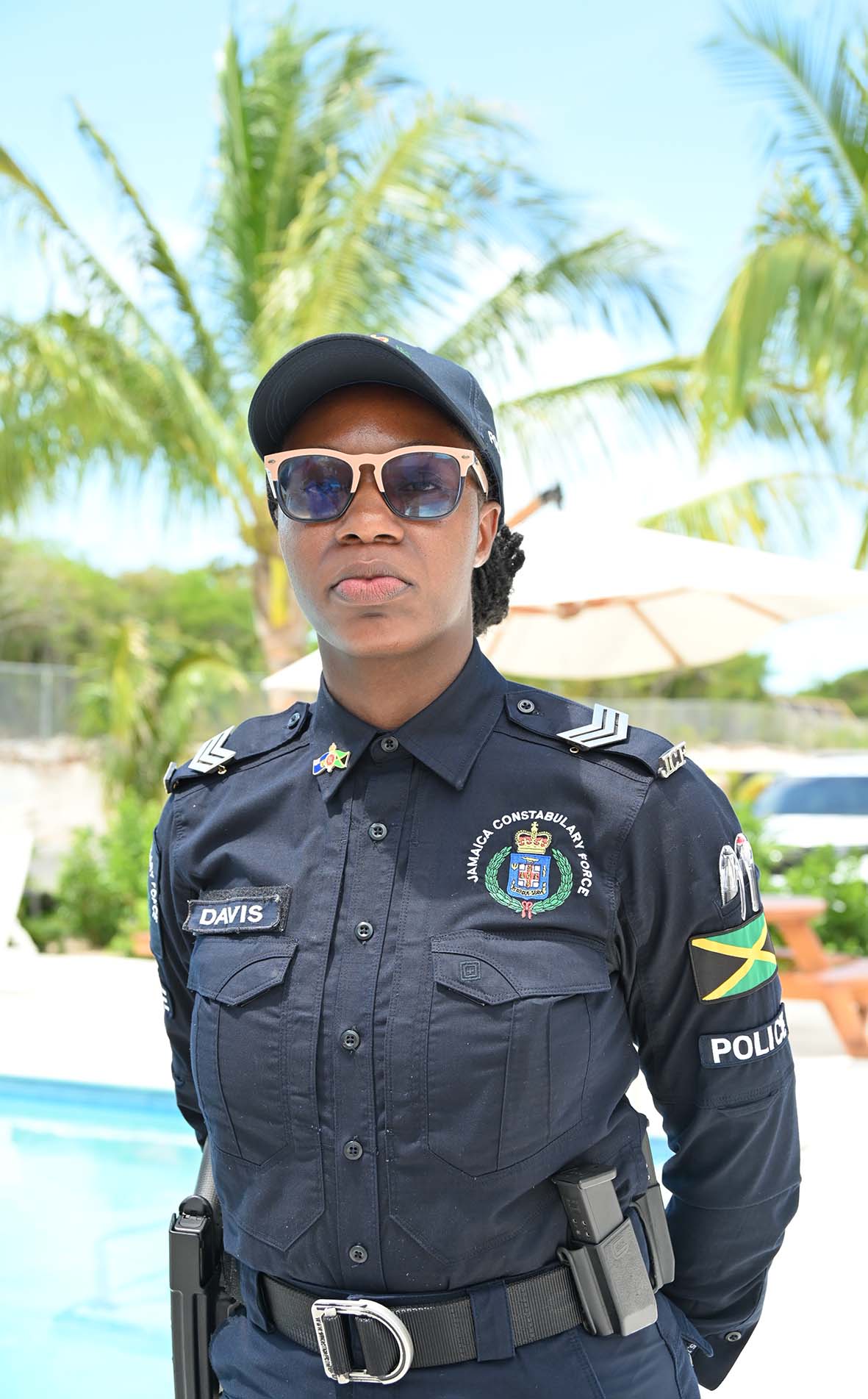
Sergeant Natricia Davis, one of the female JCF officers deployed to the Turks and Caicos Islands.
Providenciales, Turks and Caicos Islands:
For years, Jamaica’s international reputation was shadowed by gangs, gun violence and murder statistics that placed the island among the world’s most dangerous countries.
Today, Jamaican police officers are being recruited across the Caribbean to help neighbouring territories fight organised crime using strategies developed in some of the island’s toughest communities.
Nowhere is that transformation more visible than in the Turks and Caicos Islands, where a 28-member contingent from the Jamaica Constabulary Force has spent the last year helping local authorities suppress violent crime.
The results have been dramatic.
“In 2024, we had 47 murders. In 2025, we had 27 murders. So far this year, ... we’ve had zero murders,” said Premier Charles Washington Misick during a visit by Prime Minister Dr Andrew Holness to the officers’ residence on Saturday.
Acting Deputy Superintendent Nicholas Shorter, commander of the Jamaican contingent, believes the success stems from policing methods forged through Jamaica’s own long battle with organised criminal gangs.
“The crimes of the Third World cannot be tackled by using First World tactics,” Shorter said.
According to him, Jamaica’s policing model has evolved into a more tactical, intelligence-led and standardised system capable of being replicated elsewhere in the region.
“What we have found out since 2023 in Jamaica is that policing is really a science,” he explained. “If we do the very same things correctly as they have been done in Jamaica, then we can achieve results that are quite similar.”
The Jamaican team includes tactical operators, intelligence officers, investigators and drone pilots. Among them are three female officers working in what remains a heavily male-dominated tactical environment.
Sergeant Natricia Davis, one of the female officers deployed to Turks and Caicos, said the assignment has tested the adaptability of Jamaican officers in unfamiliar conditions.
“One of our major issues that we face here as Jamaicans is the language barrier,” Davis said, noting the territory’s large Haitian and Dominican populations. While some residents speak Haitian Creole or French, others primarily speak Spanish.
“Being here for so long, we’ve kind of learned a few of their verbiage,” she said.
Davis, who previously served on Jamaica’s SWAT team and is Level Three tactically trained, said the deployment highlighted the increasingly specialised nature of modern Jamaican policing.
“We trained vigorously,” she said. “It has been a bit difficult, but we are able to overcome it.”
The officers have also had to adapt to challenges unique to the Turks and Caicos, particularly maritime surveillance across scattered islands and irregular migration flows from Haiti.
For Jamaica’s minister of national security and peace, Dr Horace Chang, the regional demand for Jamaican policing expertise reflects years of quiet institutional rebuilding.
Chang said Jamaica had received requests for police training from countries such as Saint Lucia and that Jamaican law-enforcement agencies, including the Major Organised Crime and Anti-Corruption Agency, were increasingly being viewed as regional leaders in cybercrime and organised crime investigations.
He attributed Jamaica’s falling murder rate partly to the modernisation and expansion of the police force, including recruiting university graduates and technically trained specialists into the JCF.
The digitisation of policing operations, Chang said, has also transformed the force into one of the most technologically advanced arms of government.
The regional interest in Jamaica’s security expertise comes as several Caribbean territories confront increasingly sophisticated gang networks, gun trafficking and organised criminal enterprises once thought to be problems largely confined to Jamaica and parts of Latin America.
Governor of the Turks and Caicos Islands, Dileeni Daniel-Selvaratnam said the Jamaican officers had become “an integrated part” of the territory’s police force while simultaneously helping to strengthen local tactical capability and leadership development.
For Shorter, the deployment represents more than a foreign assignment.
It symbolises a remarkable reversal in Jamaica’s regional identity.
“We have managed to assist the police force in tracking down, monitoring, dismantling and degrading organised criminal gangs,” he said.