‘We are small, but we are capable’, says OOCUR director
Loading article...
-
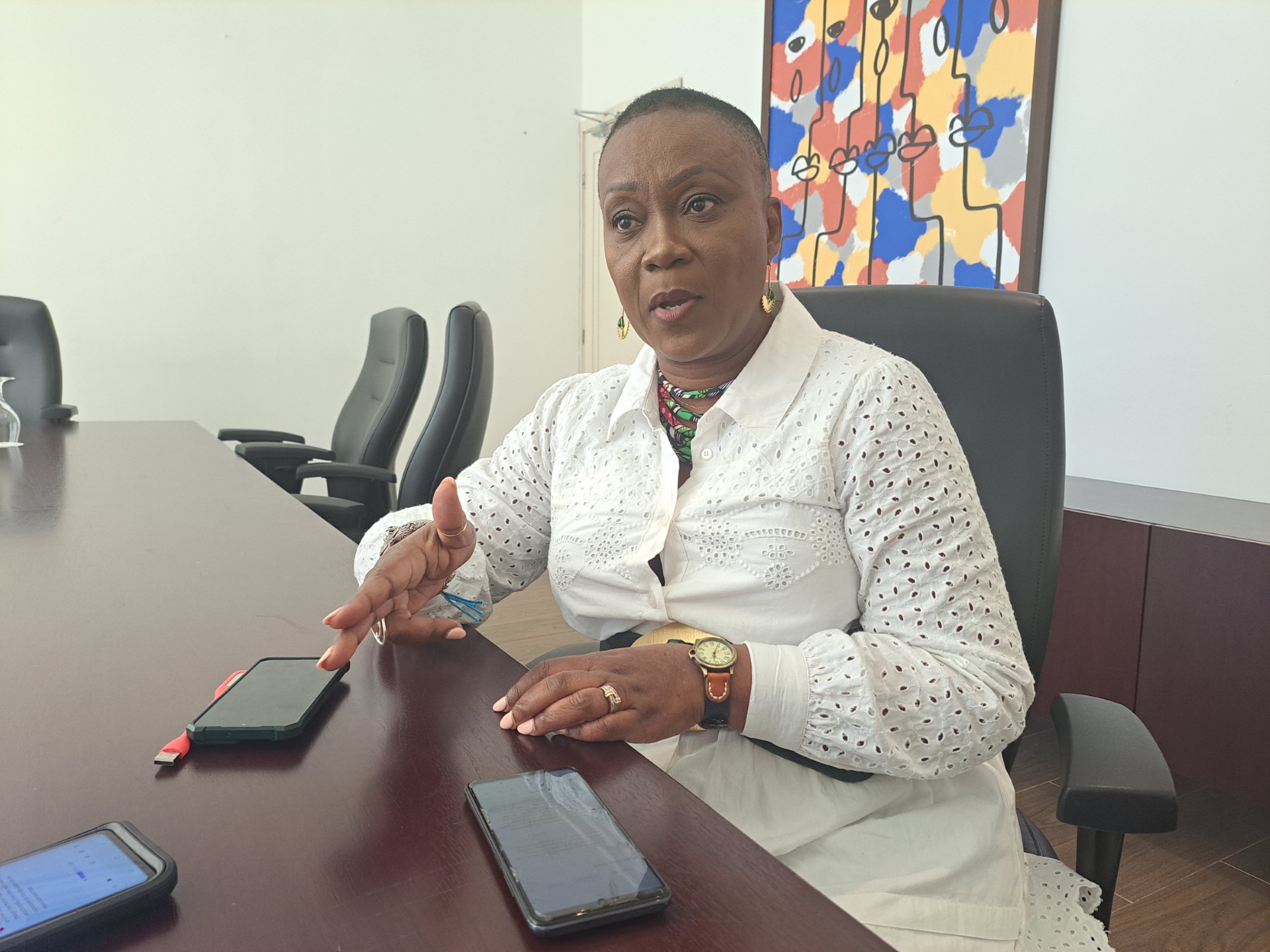
‘We are small, but we are capable,’ says Dr Marsha Atherley-Ikechi, the Executive Director of the Organisation of Caribbean Utility Regulators.
-
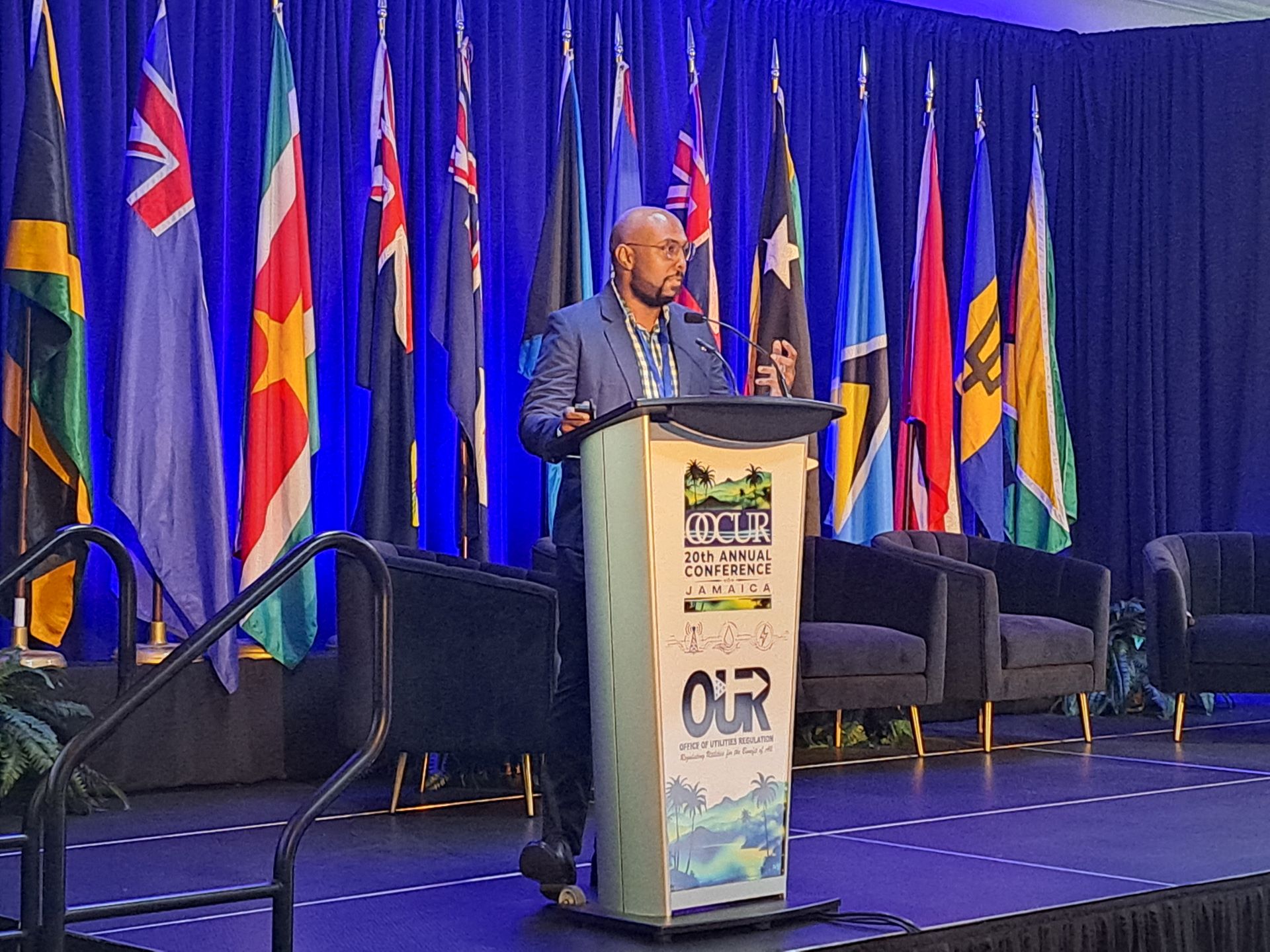
Marc Jones, senior legal counsel with the CARICOM Competition Commission.
Dr Marsha Atherley-Ikechi, the executive director of the Organisation of Caribbean Utility Regulators (OOCUR), says that while aspects of some Caribbean countries’ regulatory structures need improvement, the Caribbean region has the potential for advancement, including in the areas of renewable energy and telecommunications technology.
Atherley-Ikechi, who was giving an overview of OOCUR’s just-concluded 20th conference, in Trelawny, which was held under this year’s theme, ‘Navigating Caribbean Regulatory Challenges: Opportunities, Innovations, and Collaborations’.
“On regulatory innovation, our own community showed up, including Barbados, the Turks and Caicos Islands, Suriname, Curacao, Bermuda, and Jamaica, with regulators and service providers sharing what is working, what is not working, and what it actually costs to sit on a decision too long,” she said. “This kind of candour is what OOCUR exists to protect and promote.
“We are also discussing the issue of CARICOM’s proposal for a single regional competition and utility regulator. This is something that OOCUR will be engaging much more with, since we already had a webinar on it, and we will engage much more directly with our members as to what their positions are on it,” she continued. “Through it all, the energy round tables, the water panel discussions, the closed sessions, the network tables, one thread ran constant, that we are small, we are exposed, and we are, without question, more capable than the size of our islands suggest.”
The proposal for a single regional regulatory body is among the points for consideration in the OOCUR’s 2024-2029 strategic plan. Other points of concern in the plan include members limited awareness of OOCUR’s value delivery, competition by international bodies in the utility regulatory space, and undue governmental influence.
Speaking specifically to water sector investment and technological development, which were among the subjects discussed throughout the conference, Atherley-Ikechi said that the Caribbean still needs to address the obstacles preventing advancement in these areas.
“On the subject of water, we named the crisis plainly, that investment is not flowing because confidence is not there. We have heard about the economic impact of waste water reuse and the cultural dimensions of water scarcity that technical frameworks too often ignore, and we have brought in international expertise and held it up against the Caribbean reality, and a question I previously posed still stands, how do we make the water sector attractive to investment within 36 months, not 36 years?” she said.
“We are discussing 6G technology in other parts of the world, and our 44 million constituents [in the Caribbean] deserve better than perpetually playing catch-up. Cyber risk in the Caribbean telecoms network is not theoretical, and artificial intelligence is not a future consideration; both are present tense,” she noted.
“The question is whether our regulatory frameworks are keeping pace, and based on what I have heard this week, some are, but many are not, at least not yet, and this therefore means that there is lots of work to be done in this area.”
Meanwhile, Marc Jones, senior legal counsel with the CARICOM Competition Commission, told the conference that several factors must be kept in mind while reviewing the proposal to establish a single regional regulatory body.
“What do you think about in designing a single regional competition and regulatory body? The institutional question is not simply whether one body is attractive, but whether such a body can be legally authorised, independent, transparent, effective and accountable. In other words, you want a quality regulator because a quality regulator can help to ensure regulatory quality itself in the administration of the system,” said Jones.
christopher.thomas@gleanerjm.com