Shortage of produce threatens Jamaican restaurants in US
Loading article...
-
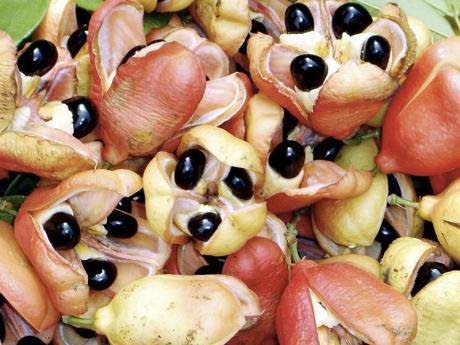 Ackee
Ackee
-
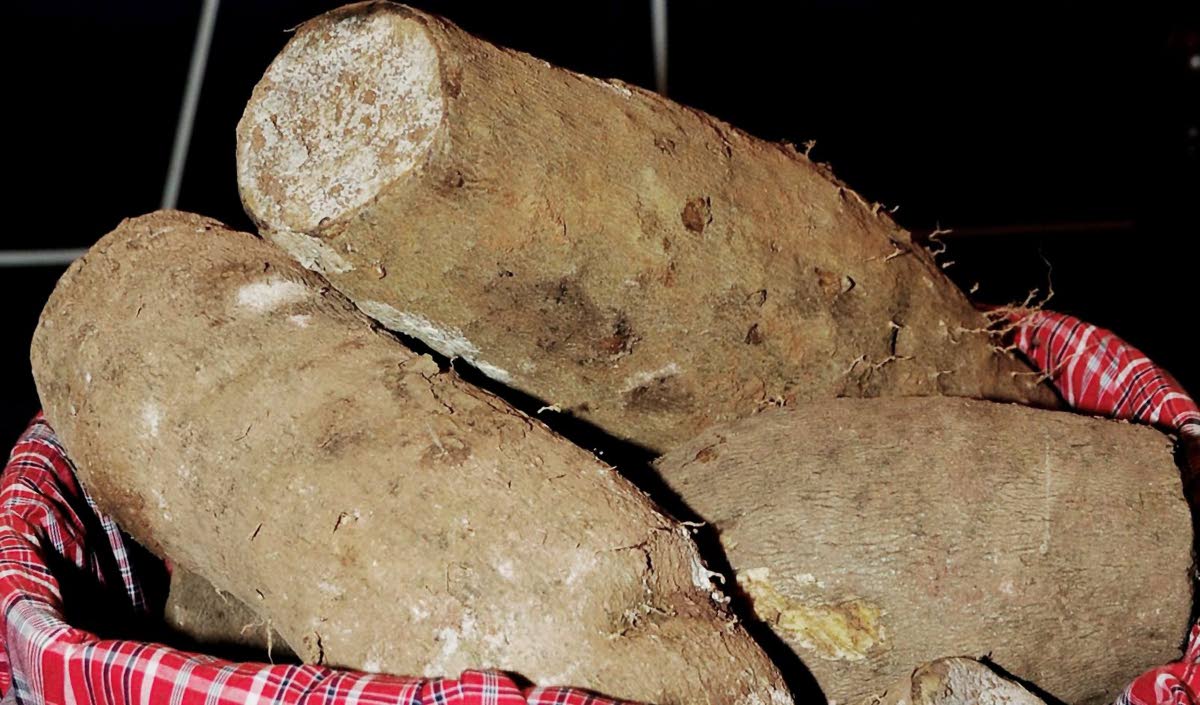 Yam
Yam
Several food items imported from Jamaica for the United States (US) market have remained scarce since Hurricane Melissa, leaving restaurant operators and other consumers in the diaspora and beyond facing higher prices and potentially impacting business operations, as well as a connection to the traditional tastes and dishes from the island.
Among the items in short supply are ackee, callaloo, Jamaican green bananas, Scotch bonnet pepper and yams.
Importers of the produce told The Sunday Gleaner that the shortage stems from Hurricane Melissa, which struck southwestern parishes in the island, devastating the food basket region.
A tin of ackee is currently being sold for US$16 (over J$2,500 at current exchange rate) when available, confirming warnings from Jamaican food technologist Dr André Gordon who in November was reported in a Caribbean media publication to have said that “it’s going to be extremely difficult for people overseas to get products like ackee”.
Previously, the cost of a tin ranged from around US$9 to a high of US$12.99.
Michael Duncan, executive director of the Federation of African, Caribbean, and American (FACA) Restaurant Owners Cooperative in Queens, New York, who brings in Jamaican goods to supply restaurants and individuals in the US, told The Sunday Gleaner that, in the case of ackee, suppliers in Jamaica are unable to say when the shortage will ease.
“I usually import 500 to 1,000 cases of ackee monthly to supply the market but my suppliers are just trying to put a few cases together,” he said.
Duncan told The Sunday Gleaner that he was experiencing a shortage of ackee, callaloo, Jamaican green bananas, Scotch bonnet peppers, yams and other products to meet market demands.
“Where we can get the products, the prices have gone through the roof. This is very detrimental to our business and the restaurants that we supply,” he said.
Significant impact
Duncan said he did not believe it was the 10 per cent tariff imposed on Jamaican exports to the US that had the most significant impact on the price of goods but, rather, the shortage in Jamaica as a result of Hurricane Melissa, which made landfall in the island last October.
“Suppliers are telling us that many ackee trees have been destroyed by the hurricane and, where supplies are available, the producers have substantially increased their prices,” he said.
Duncan added that, with the upcoming mango season, which runs from April to September, he is hoping to get supplies that will satisfy the US market.
Also reporting a shortage of Jamaican produce on the US market was Lancelot Offendel, who operates Caribbean Depot in the Brooklyn Terminal Market in New York.
“There has been a big shortage since the hurricane. The prices have gone up very high because of the shortage,” he said.
Offendel said he was experiencing a shortage of ackee and callaloo, among other produce.
“The price of Jamaican yellow yam is outrageous,” he told The Sunday Gleaner.
In the US, yellow yam prices have moved from US$3.59 to around US$6 per pound and Jamaican farmers have predicted that it will take at least nine months for the yam sector to fully recover from the Category 5 hurricane.
He said that, because of the shortage and higher prices, many small businesses that depend on these products are either closing or on the verge of closing.
“I give credit where I can but this puts me in a hole because the customers are unable to pay the credit amounts. I am owed some half a million dollars currently,” he said, noting that he was still trying to help his people where he can.
Damage from Melissa
Last November, the Ministry of Agriculture, Fisheries and Mining reported the agriculture sector suffered significant damage from Melissa, with preliminary assessments indicating losses of approximately J$29.5 billion.
The disaster affected more than 70,000 farmers and disrupted operations across 41,390 hectares of farmland.
“Our banana and plantain crops, covering 2,450 hectares, have losses estimated at $2.9 billion, impacting 2,760 farmers. Fruit trees, covering 1,870 hectares, have damage estimated at $337 million, affecting 4,500 farmers,” Agriculture Minister Floyd Green said at the time.
“Unfortunately, our yam farmers were not spared Melissa’s blow, as tuber crops (yams, cassava, etc.), covering 4,670 hectares, have losses estimated at $4.5 billion, impacting 6,120 farmers.”
editorial@gleanerjm.com