Imani Tafari-Ama | The sorry Coopers Pen saga
Loading article...
-
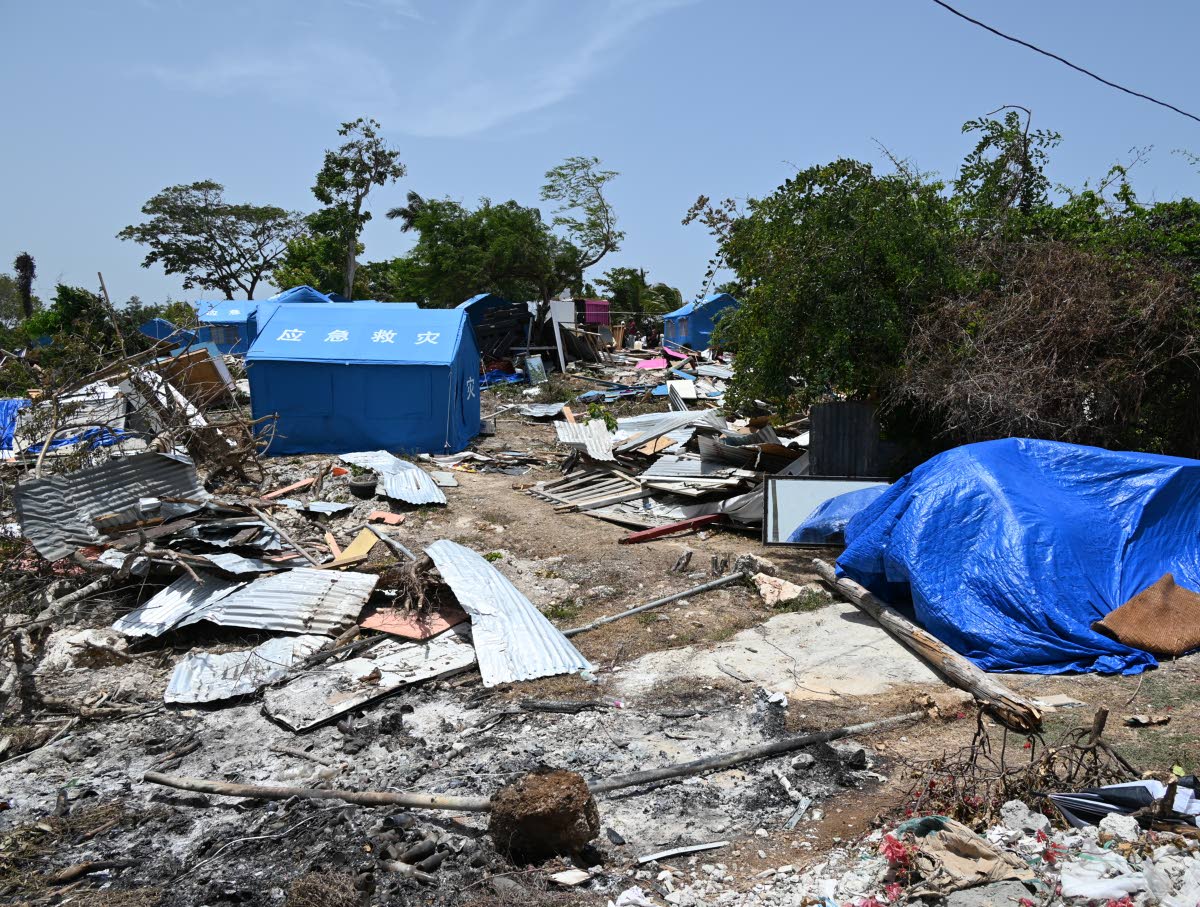 In this photo demolished structures are seen strewn on the ground in Coopers Pen, Trelawny.
-
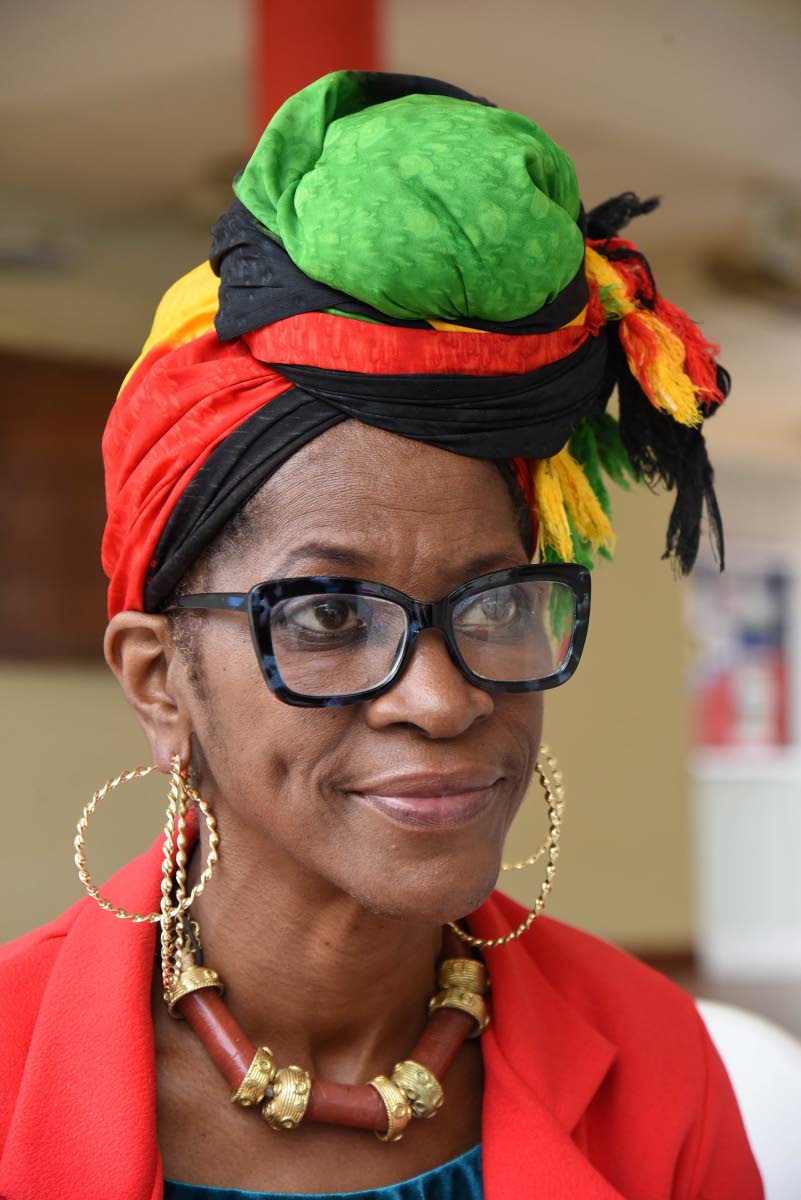 Imani Tafari-Ama
The nocturnal razing of between 20 and 40 homes in the Coopers Pen community in Trelawny on August 11 was the culmination of two decades of struggle by residents seeking to secure ownership of the land on which they had built their homes.
Twenty years ago, dozens of landless families began occupying nine acres of coastal land in the Orange Grove and Florence Hall areas of Coopers Pen. At the time, this was another rural district on Jamaica’s north coast. Today, it sits within one of the island’s most coveted tourism landscapes. And that transformation raises an uncomfortable question: Who is allowed to live on Jamaica’s north coast when land values rise?
There is a de facto, if not de jure, social assumption that poor black Jamaicans should not live in these increasingly valuable spaces.
Unlike materially endowed families who have been able to acquire property and pass it down through successive generations, the families who settled in Coopers Pen did not have equal access to land. That is why they were called “squatters”, a term that is not merely descriptive but value-laden. It can turn a complex history of poverty, landlessness, and exclusion into a simple story of individual wrongdoing.
Prime Minister Andrew Holness used precisely this language when he reprimanded the citizens whose homes were demolished by bulldozers while some were reportedly still sleeping at 3:30 a.m. While promising future solutions, he drew a sharp moral line between those deemed legitimate property owners and those described as squatters.
But squatting in Jamaica has never been merely a question of individual behaviour. It is rooted in a much longer history of unequal access to land.
The Coopers Pen case exposes the enormous gulf between Jamaica’s haves and have-nots. In theory, land ownership is acquired through the ability to purchase property. In practice, however, many Jamaicans have never possessed the economic means to do so. Lack of property ownership can, consequently, become a form of civic and economic exclusion, affecting access to security, wealth accumulation, and the ability to pass something tangible to the next generation.
For people unable to purchase property, informal occupation can become one of the few available routes to establishing a home. Jamaican law provides a mechanism through which long-term, open, and continuous occupation may, under certain circumstances, support a claim for adverse possession. But such claims are not automatic. Courts ultimately determine whether the legal requirements have been met.
In Coopers Pen, the court ruled in favour of the property owners.
That legal outcome, however, does not resolve the larger social question.
Over the years, governments, including officials under the People’s National Party, attempted to address the situation through compulsory acquisition and social-housing measures. Those efforts did not produce a lasting resolution. Meanwhile, the families remained caught between their claim to a place they had occupied for years and the legal claims of those who held titles.
And this is where Jamaica’s history becomes impossible to ignore.
The politics of squatting cannot be separated from the history of land after emancipation. Formerly enslaved Jamaicans entered freedom without a comprehensive programme of land redistribution. The creation of free villages offered some opportunities for land ownership, but access was uneven, and the structural inequalities created under slavery did not disappear with emancipation.
Landlessness, therefore, is not simply an individual failure to acquire property. In many cases, it is an inherited condition.
That history makes the language of “squatter” particularly complicated. If generations of Jamaicans were excluded from meaningful access to land and wealth, what exactly are we condemning when we condemn the descendants of those people for being landless?
The nine acres at Coopers Pen formed part of a 704-acre estate originally associated with Gilbert Baron Dobson. The property subsequently came under the control of Jamaica’s administrator-general and was transferred to the Phelan family, whose interests are associated with New Falmouth Resorts. The late James Chisholm, chairman and CEO of New Falmouth Resorts, pursued legal action against the families occupying the nine acres, ultimately securing a court ruling in favour of the property owners.
Yet there is another layer to this history. Dobson’s descendants themselves reportedly sought, unsuccessfully, to reclaim the property, arguing that it had been transferred while they were minors.
This does not, by itself, determine the validity of the current owners’ title, but it does force us to ask a fundamental question: By what historical process do we decide who a rightful owner is?
The Coopers Pen dispute, therefore, calls for more than a celebration of property rights or a condemnation of squatting. It demands that we interrogate how property rights themselves were created, transferred, and inherited in Jamaica.
The bulldozers may have removed the houses, but they cannot demolish the history underneath them.
If the Jamaican State is serious about addressing the problem of squatting, it must do more than criminalise or stigmatise poor people who occupy land. It must confront the structural conditions that produce landlessness in the first place.
That means expanding meaningful access to affordable housing and land, examining the use of public and Crown lands, and developing policies that recognise the historical disadvantages faced by Jamaicans who inherited little or no property.
The question is not whether property rights matter. They do.
The question is whether property rights, in a society shaped by colonial dispossession, enslavement, and generations of unequal wealth accumulation, can be treated as though they emerged from a perfectly fair starting point.
Coopers Pen reminds us that they did not.
And if your ancestors were unable to secure a piece of Jamaica when freedom came, the chances are that landlessness, too, may have been handed down to you.
Imani Tafari-Ama, PhD, is a Pan-African advocate and gender and development specialist. Send feedback to i.tafariama@gmail.com and columns@gleanerjm.com.