Imani Tafari-Ama | The hidden trauma of everyday violence
Loading article...
-
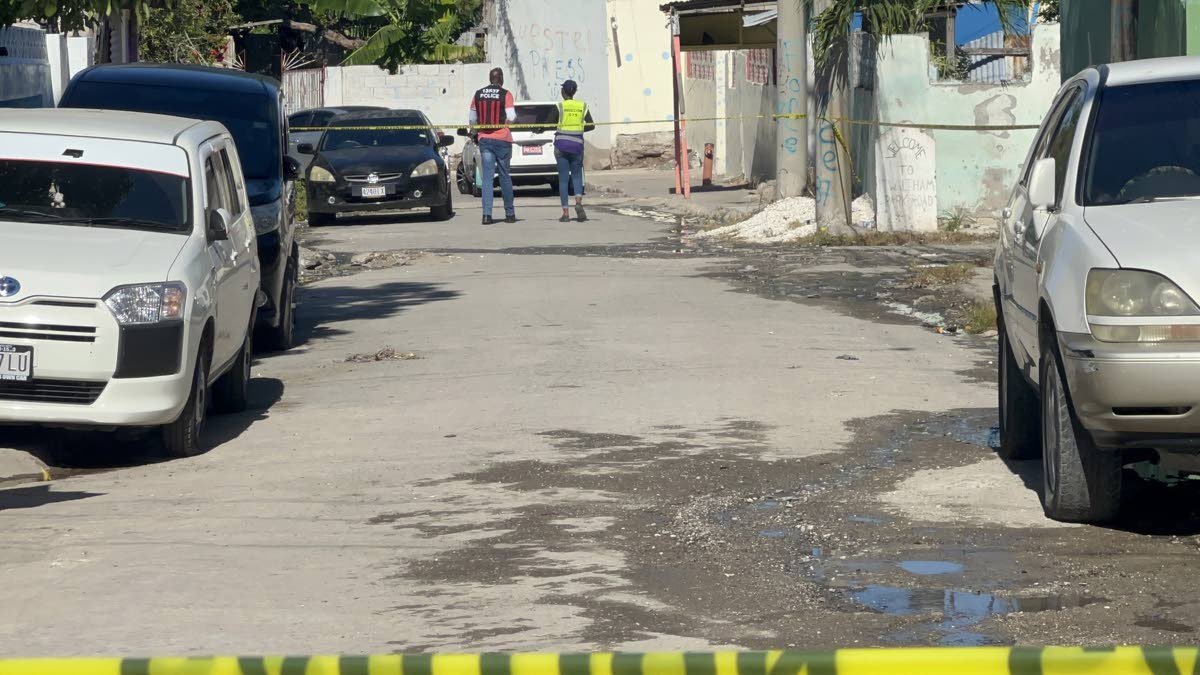 A police investigator and an investigator from the Independent Commission of Investigations (INDECOM) at the scene of a fatal police shooting in the Waltham area of St Andrew on April 15, 2026.
-
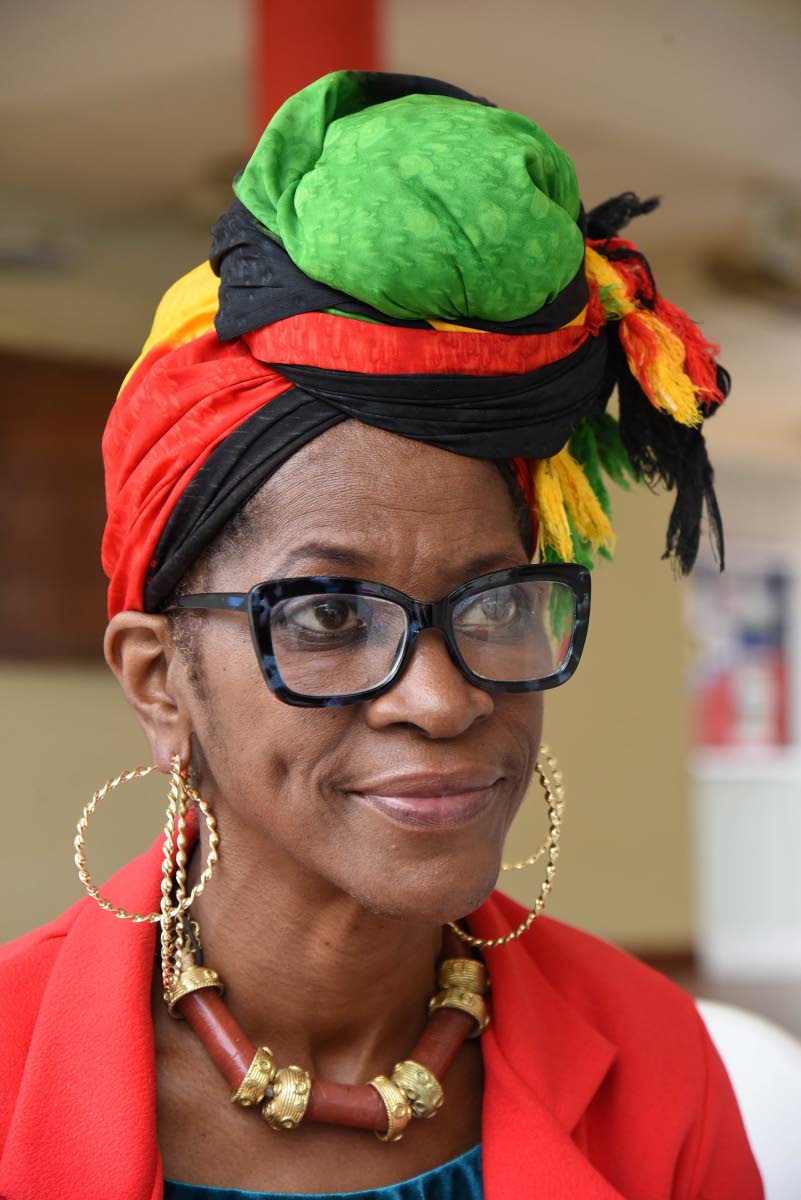 Imani Tafari-Ama
The tragedies that many Jamaicans endure every day rarely command international headlines. Yet the absence of global attention does not lessen the suffering they inflict on victims, their families, or the communities forced to absorb the consequences. Violence does not become less traumatic because it is commonplace. Nor does it become more acceptable because it has become familiar.
That familiarity is precisely the problem.
Murder, rape, robbery, and other violent crimes have become so routine that many people now consume reports of them with a disturbing sense of resignation. We read the headlines, express fleeting outrage, and proceed with our daily lives. Meanwhile, those whose lives have been permanently altered by violence continue to wrestle with grief, fear, and unimaginable loss long after public attention has shifted elsewhere.
The impact of tragedy cannot be measured by the volume of media coverage it receives or by whether an arrest is eventually made. A family’s anguish is not diminished because a crime never trends on social media. Neither is trauma erased because another gruesome incident quickly replaces it in the news cycle. The victims may disappear from public conversation but they never disappear from the memories of those who loved them.
Trauma has remarkable staying power. It revisits its victims through recurring memories, unexpected emotional triggers, and persistent feelings of fear, grief, guilt, or helplessness. Long after the funeral has ended and counselling sessions have concluded, survivors often remain imprisoned by memories that refuse to fade. Healing is seldom a straight path. For many, it is an exhausting struggle against emotional wounds that are invisible to everyone except the person carrying them.
Every act of violence, therefore, creates far more victims than official crime statistics can ever record. Parents bury children. Children lose parents. Families are fractured. Communities become fearful. Trust slowly gives way to suspicion. The social fabric weakens, thread by thread, until insecurity begins to feel normal.
We should never allow that to happen.
CRUELTY
The recent tragedy involving an elderly woman in Clarendon illustrates the cruelty that violence can inflict. Her body was reportedly discovered outside her home, bearing signs that she had been sexually assaulted before being murdered. She was still recovering from surgery when her attacker violated both her body and her humanity. Even in that vulnerable condition, early reports suggest that she resisted with every ounce of strength she possessed.
Some may describe her as heroic.
But that is not the lesson we should draw.
Heroism implies extraordinary courage in exceptional circumstances. No woman should ever be required to display such courage simply to preserve her dignity or remain alive. There is nothing noble about forcing another human being into a fight for survival. The true shame belongs entirely to the individual who exercised brutality instead of humanity.
The offences committed against this woman represented far more than violations of criminal law. They reflected the calculated abuse of power. Sexual violence is rarely driven by sexual desire alone. At its core, rape is often an expression of domination, control, and humiliation. It is the deliberate reduction of another human being to an object over whom power can be exercised with impunity.
That reality deserves far greater attention than it receives.
Women and girls continue to experience sexual violence with alarming frequency, often at the hands of individuals they know rather than strangers lurking in the shadows. Many survive, but survival does not necessarily signify recovery. Others lose their lives, leaving families to mourn not only their deaths but also the cruelty they endured in their final moments.
This should not obscure another important truth. Boys and men are also victims of sexual violence, and men continue to account for the overwhelming majority of murder victims in Jamaica. Every victim deserves justice. Every victim deserves compassion. Every victim deserves protection.
DISTINCTIVE DYNAMICS
Recognising these realities, however, should not prevent us from confronting the distinctive dynamics that underpin sexual violence. The abuse of power remains central to understanding why these offences occur. Yet discussions frequently focus almost exclusively on physical evidence while paying insufficient attention to the psychological, cultural, and social attitudes that sustain such behaviour.
Until we confront those attitudes, we will continue treating symptoms while leaving the disease largely untouched.
This is why the power dimension of rape should become a central consideration in criminal investigations, public policy, and violence-prevention strategies. Understanding how entitlement, misogyny, coercion, and the desire for domination influence offending behaviour is not an academic exercise. It is essential if interventions are to address the causes rather than merely the consequences of violence.
Prevention must, therefore, extend beyond policing. It requires schools that teach respect and consent, families that reject abusive patterns of behaviour, communities that refuse to excuse violence, and institutions willing to invest in mental-health services and trauma-informed support for victims. It also requires a criminal-justice system capable of investigating these offences thoroughly, prosecuting offenders effectively, and treating survivors with dignity throughout the judicial process.
None of these responses, in isolation, will eliminate violence. Together, however, they can begin to reshape the social environment in which violence flourishes.
Ultimately, the question confronting Jamaica is not whether we are shocked by brutality. We always are. The more important question is whether we have become comfortable living alongside it.
That is a far more dangerous condition.
The woman from Clarendon should never be remembered simply as another name added to the country’s crime statistics. She was a human being whose life possessed inherent dignity and immeasurable worth. Her death demands more than our sympathy. It demands our resolve. If we continue to treat violence as an unfortunate feature of Jamaican life rather than as a national emergency requiring sustained moral, social, and institutional action, we will not merely be failing today’s victims. We will be creating tomorrow’s.
Imani Tafari-Ama, PhD, is a Pan-African advocate and gender and development specialist. Send feedback to i.tafariama@gmail.com and columns@gleanerjm.com.