Amina Taylor | Can the King of the North rally Britain?
Loading article...
-
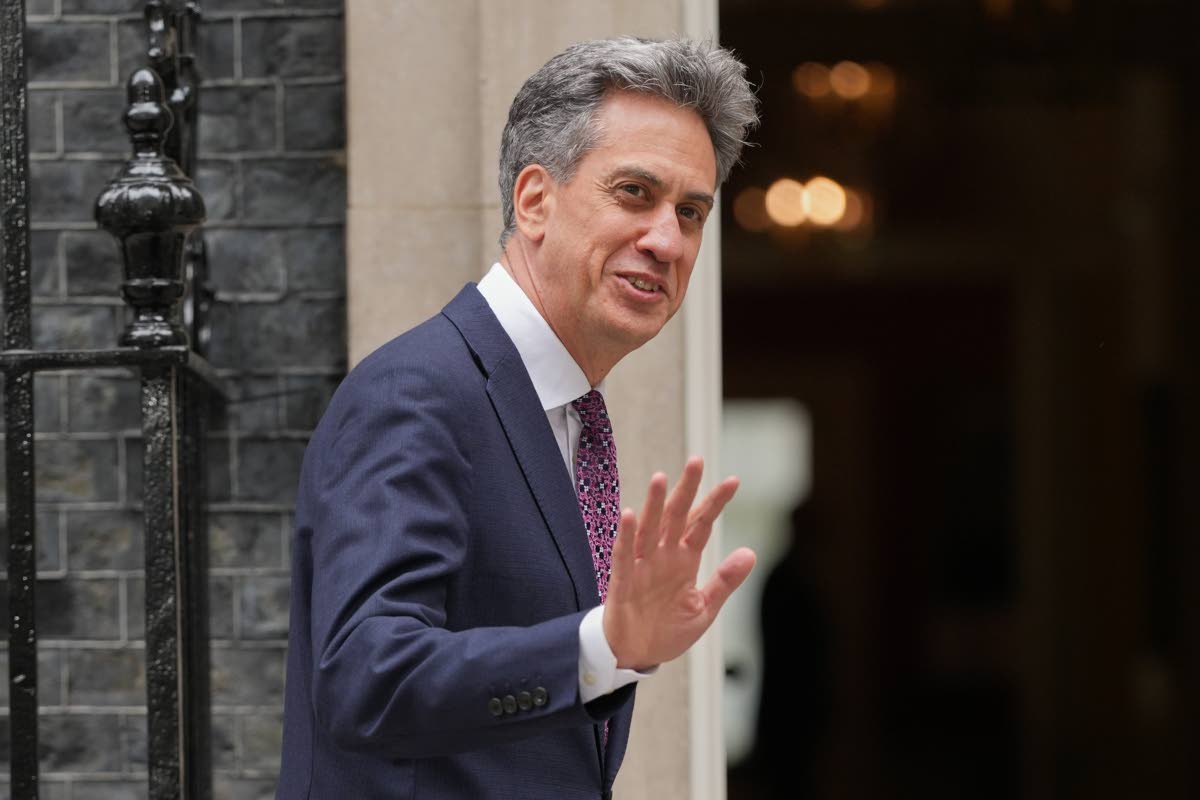 Ed Miliband, Britain’s Foreign Secretary arrives for a Cabinet meeting in Downing Street in London, Tuesday, July 21, 2026.
-
 Amina Taylor
-
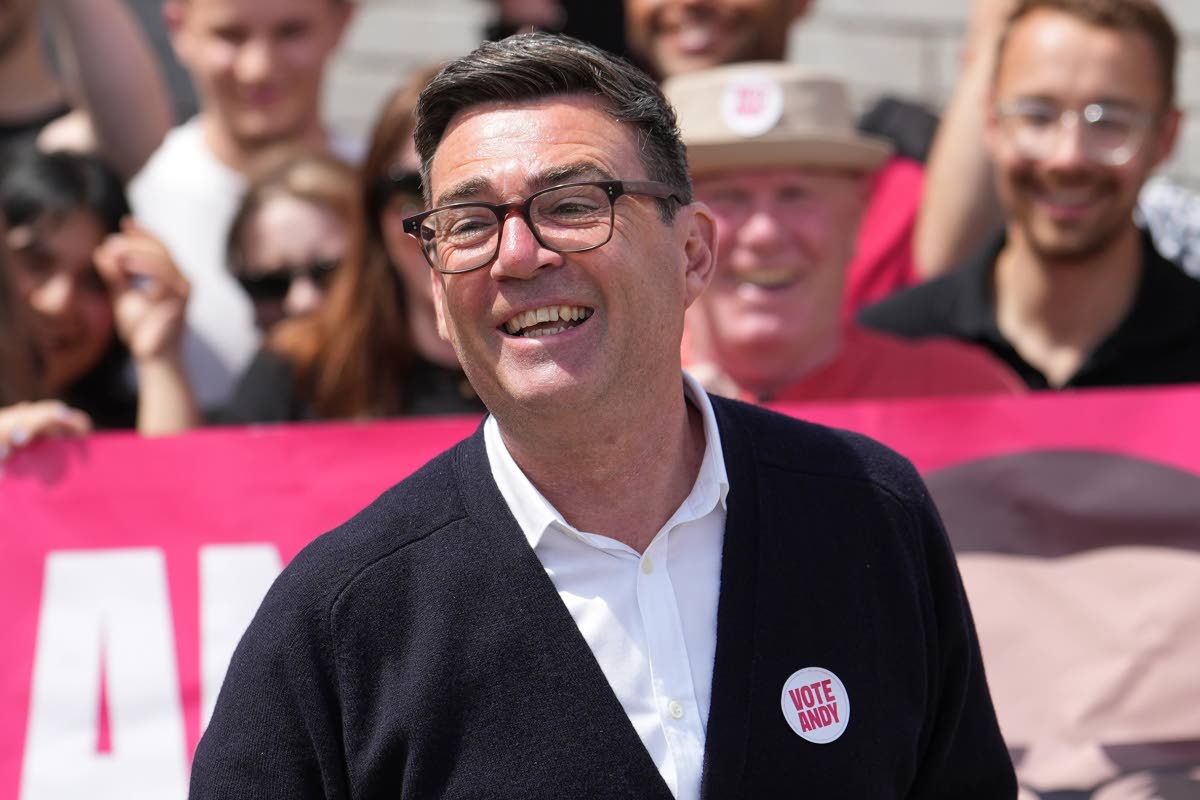 Andy Burnham, Britain’s Labour candidate for Makerfield, speaks in front of supporters during the by-election in Makerfield, England, Thursday, June 18.
The King of the North has arrived to Downing Street.
Andy Burnham is officially the prime minister of the UK, a role he seemingly inherited in the most bloodless of coups. In what could have been a prolonged period of Labour in-fighting, the party faithful sheathed their knives and made way for the new Labour boss.
In the very short period that has marked the Burnham era, there is already so much to digest and to reflect on. There’s been the obvious joke made – that it is so refreshing to have a man of the people, a man who speaks with the accent and cadence of so many of the unrepresented in this country.
Here stands a politician who has built his career on being ‘salt of the Earth’, ‘our Andy’, and the man who has promised a new frontal assault on the cost-of-living crisis and finally, finally a leader who isn’t from the same elitist-university-to government-pipeline. Andy Burnham is not yet another Oxford alumni, no ‘our Andy’ went to Cambridge. He’s not like the others.
Politics is a vicious, self-serving, nasty business and those who have shown a softer underbelly have been mercilessly chewed up and spat out by the environment. So it goes without question that Andy Burnham is made of sterner stuff and has taken the political scalps to prove it. Somewhere in a darkened room with the drapes drawn is a bruised and battered Keir Starmer who is still nursing the wounds to his front - and his back - by those he might have thought owed him an ounce more of loyalty.
For those who saw the writing on the wall and made the calculated move to back the PM-in-waiting, the news of the cabinet reshuffle would have seen their Machiavellian spirit vindicated.
In comes John Healey as a new Chancellor of the Exchequer, perhaps the most important job in government besides the PM himself. It’s the post that sets the theme of the administration and is the walking embodiment of Burnham’s fiscal position. This was the same man who served as defence secretary under Sir Keir Starmer and publicly quit in a row over department spending. He was one of the first dominoes to fall and was a real test of Starmer’s authority and the ability and desire of the rest of his cabinet to rally behind him. By placing John Healey at the very heart of his new government, Burnham is making his position clear by less than subtly rewarding those who have facilitated his elevation from mayor of Greater Manchester to prime minister.
Another big winner has been Ed Miliband, who is now the new foreign secretary, a politician whose Green credentials have been on full display and who now occupies one of the four great offices of state. Miliband’s leftist credentials still intact and perhaps a way for Burnham to signal that net zero is not simply an environmental objective; it’s at the heart of how Britain may well do business with its global counterparts.
With the winners and promotions come the political losers and very real demotions. While Shabana Mahmood has managed to hold onto her Home Secretary gig, Yvette Cooper has made way for Miliband and now occupies the less prestigious Department for Health and Social Care. Cooper may have escaped the indignity suffered by David Lammy, who is perhaps now the biggest casualty of Burnham’s purge of Starmer loyalists after he was removed as deputy prime minister and shuffled out of the cabinet and Labour’s inner circle all together.
While some quietly accepted the ebb and flow of cabinet government reshuffle and perhaps harbour hopes of being quietly brought back in from the political cold in the not-so-distant future, some like former Housing Secretary Steve Reed did not go gently into the good night, leaving Burnham with the pointed ‘I hope those who did not show loyalty to Keir will now show it to you.’ Ouch
Personalities and shuffles aside, Andy Burnham’s mission statement to try and confront head-on the cost-of-living crisis is showing some bold initiatives. These have so far included capping bus fares at £2, hoping to rejuvenate the hospitality industry by addressing the current high cost of doing business for pubs, clubs and small live music venues by announcing a 20 per cent business rates. For an industry decimated by high running costs and the aftermath of COVID, this could be a lifeline.
In terms of its global objectives, Burnham has shown a mixed bag thus far, saying that he is happy to criticise US president Donald Trump ‘where necessary’ but has already capitulated in the minds of some by allowing UK bases to be used by Washington in its war in the Middle East. There were expectations that, as a PM who advocated for a true labour government, perhaps propping up an unpopular, unnecessary and costly war might not have been so high on his list of priorities.
There’s also been this push by Burnham and his team to highlight a refocus on the north of England, to push for a more decentralised government where regions have more say in how they’re being governed. This could also be a winning strategy, as one of the slurs levied against Starmer‘s administration was its ‘Islington agenda’, The fact that there could be bridges mending that disconnect between those in power and the former Labour heartlands that were haemorrhaging votes to parties like Reform, can only be positive news.
But, how soon can Burnham show that this is more than cheap talk and actually illustrate to voters who have felt excluded from the process that their voices very much matter, and that the Great Britain that is being built in all the vibrant hues will not be one that leaves them and their vision behind.
Unsurprisingly, great swathes of establishment media have already shown their hand. Burnham loyalists hoping to spread the good news are being quizzed on how the new administration will pay for the plans it has unveiled. Even Conservative leader Kemi Badenoch is demanding a breakdown of the costs to the final penny, which is interesting coming from the head of a party that was in government for 14 years and racked up debts in the tens of billions.
The ever media-ready Nigel Farage has tried to weigh in on Burnham‘s first days in office but he has other fish to fry. Perhaps Reform’s front man being forced to publicly debate Count Binface in the Clacton by-elections will give Burnham some breathing space and enough time to tackle the Reform attacks when they do come.
Maybe Labour insiders saw the writing on the wall and knew a full Starmer term would mean political oblivion for the party moving forward. Having ruled out early elections, Burnham has the authority to push forward with his new brand of leadership, one that we should all hope will pay dividends sooner rather than later.
In the absence of a genuine alternative, let’s get behind the new political Northern star and see if he will truly light the way forward for the UK or be simply another dim bulb.
Amina Taylor is a journalist and broadcaster. She is the former editor of ‘Pride’ magazine and works as producer, presenter and correspondent with Press TV in London.