New planting tech set to revolutionise yam farming
Loading article...
-
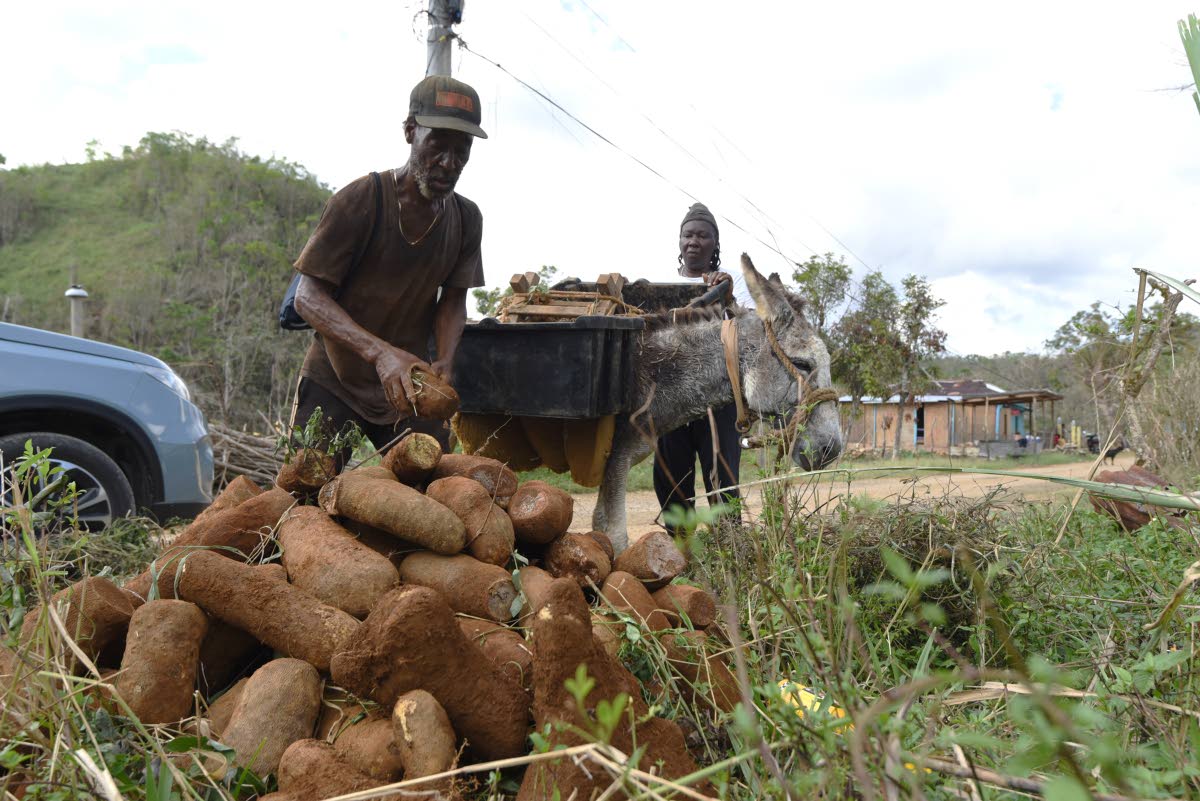 A yam farmer unpacks yams destined for export to be picked up along the Troy main road in Trelawny last November. Photo - File
-
A yam farmer unpacks yams destined for export to be picked up along the Troy main road in Trelawny last November. Photo - File
-
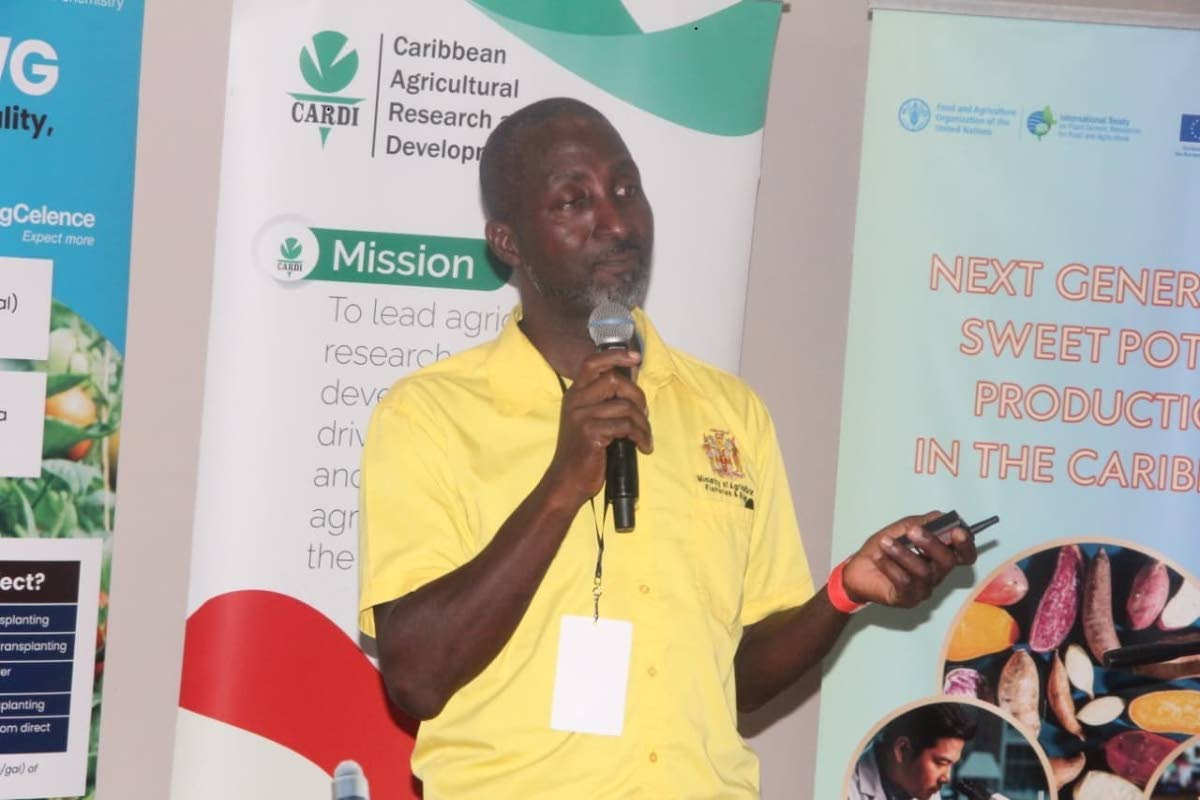 Charles Webster, plant technical officer in the Ministry of Agriculture. Photo - Photo by Albert Ferguson
WESTERN BUREAU:
A new yam propagation technology could multiply planting material up to 300-fold from a single plant could help to ease the shortage of quality seed while leaving more edible yam for farmers to sell.
Charles Webster, a plant protection officer in the Ministry of Agriculture and Fisheries, said the single-node vine-cutting technology uses leaf nodes, which are typically discarded by farmers, to produce healthy plantlets for field planting.
Webster was speaking during a technical session of the ongoing 20th Caribbean Week of Agriculture conference in Trelawny.
He said the technology is particularly important for sweet yam, which has been affected by disease and the shortage of quality planting material.
“This is one way in which we can scale up the material in a very quick time because it’s a rapid multiplication process,” said Webster, who is based at the Montpelier Research Centre in St James.
He explained how the technique differs from traditional methods.
“The traditional system that uses the tuber and the head – you know that we need the tuber to eat – but that system uses the tuber and, therefore, limits the amount available to us for tuber consumption,” he said. “This system uses the vines that you would normally disregard or throw out to either use it to produce seed materials.”
Webster said researchers have already obtained grade one tubers from plants produced using the technology, although more research and field demonstrations are needed.
“We need to do some more research because we’ve done it in the protected structures. We have started it in the field,” he said, noting that the technology could eventually be applied to several yam varieties.
“I believe that it will revolutionise the whole yam industry because it’s not only the soft or water yam that can use the system. The potato – or if you want to say the yellow yam, the harder type of yam – can also use it,” he said.
Speaking with The Gleaner after his presentation, Webster stated that rigorous disease testing will be essential because vegetative propagation can transfer pathogens from infected vines.
“You would want to ensure that you’re not transferring disease from the vines, so you would ensure that you have that testing process to ensure that the vines are clean,” he explained.
Webster said the technology could eventually reduce the cost of planting material, but farmers will need access to irrigation and water-storage systems to support the young plants.
Webster said the Montpelier Research Centre wants to train farmers and eventually develop specialised seed-material producers.
“We don’t want to just do it and keep it. We want the farmers to be empowered,” he said, while noting that the ultimate objective is to make quality planting material more readily available while increasing the quantity of yam available for consumption and sale.
albert.ferguson@gleanerjm.com