Sickle cell warning - Jamaicans urged to know their status before ‘you’re so in love you don’t care’
Loading article...
-
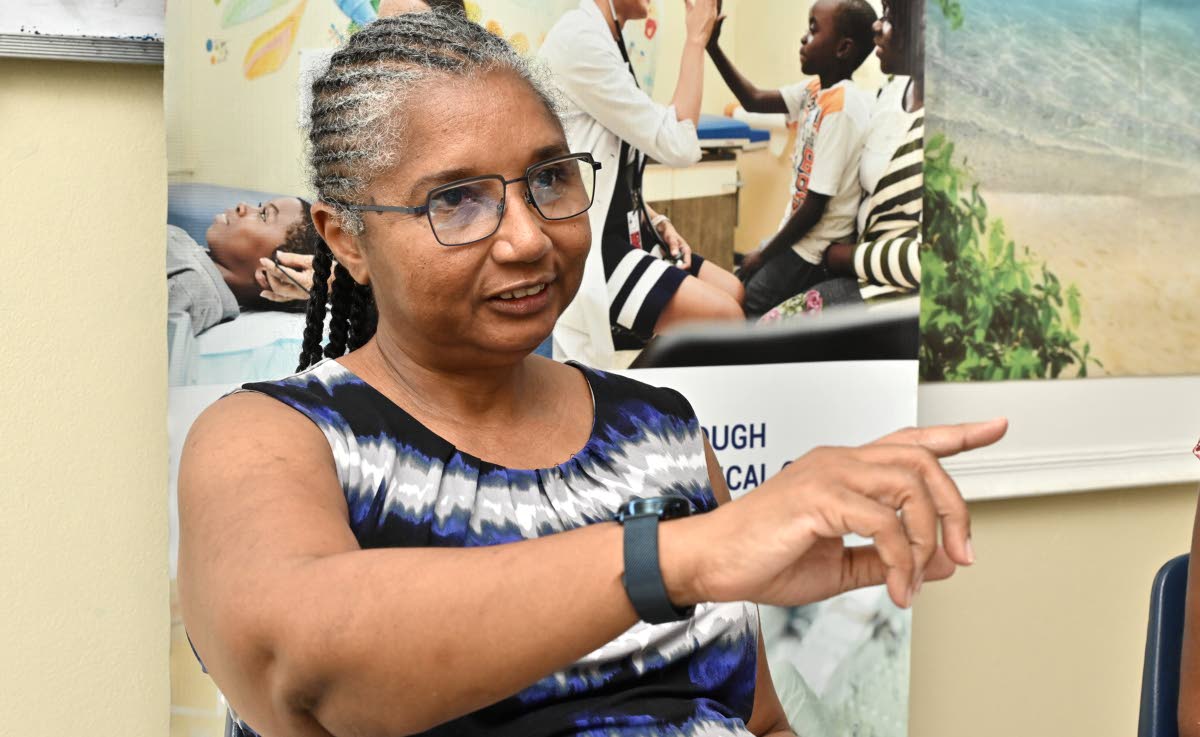 Professor Jennifer Knight Madden speaks with The Sunday Gleaner on issues related to sickle cell at the Sickle Cell Unit on the Mona campus of The University of the West Indies in St Andrew recently. Photo - Rudolph Brown/Photographer
-
Professor Jennifer Knight Madden speaks with The Sunday Gleaner on issues related to sickle cell at the Sickle Cell Unit on the Mona campus of The University of the West Indies in St Andrew recently. Photo - Rudolph Brown/Photographer
-
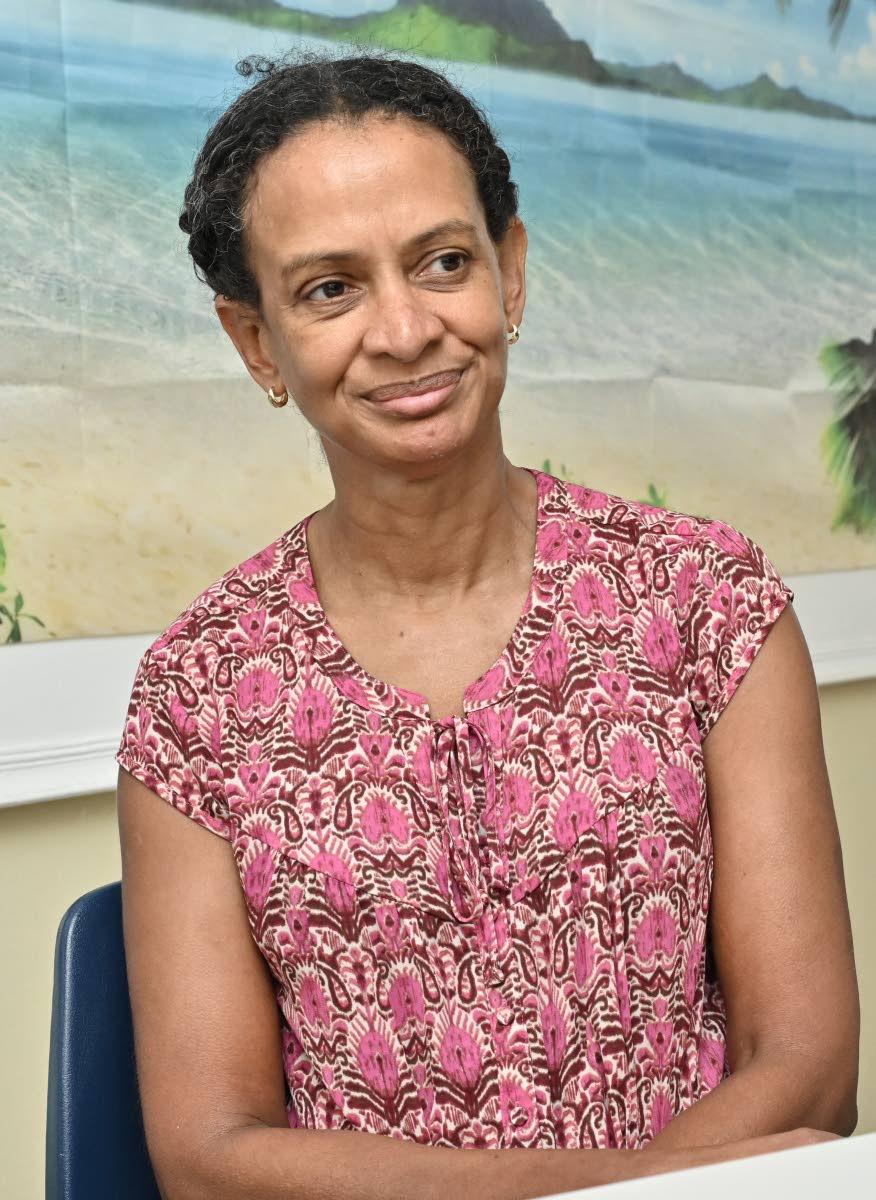 Dr Lesley King speaks with The Sunday Gleaner recently at the Sickle Cell Unit. Photo - Rudolph Brown/Photographer
Nearly 20,000 Jamaicans are living with sickle cell disease and suffering its debilitating effects, making it the most common genetic disorder affecting Jamaicans from all walks of life. About one in 10 Jamaicans carries the sickle cell trait.
The disease can cause acute pain crises in individuals who inherit the recessive gene from both parents. It causes red blood cells to assume a crescent shape, like a banana, and clog small blood vessels.
Two of the country’s most distinguished clinicians say people living with the disease often have an extremely high threshold for pain. They have learned to endure excruciating pain while appearing calm when they present at emergency rooms, even as others might be screaming.
Professor Jennifer Knight-Madden, a globally recognised authority on paediatric pulmonology (lung disease in children) and clinical research, described the pain experienced by people living with sickle cell anaemia as being like “chickungunya (ChickV) on steroids”.
different types
“Sickle cell disease is a blood disorder. An inherited blood disorder. So you cannot catch it. You have to get a gene from your mother and a gene from your father and one of those genes has to make sickle haemoglobin. The other one can also make sickle haemoglobin or another abnormal haemoglobin. So there are actually lots of different types of sickle cell disease...,” explained Knight-Madden.
She is also co-chair of the National Sickle Cell Technical Working Group, which is led by the Ministry of Health and Wellness.
Knight-Madden said individuals should not be defined by their illnesses.
“The first thing is that we call them people living with sickle cell disease because we don’t define them by their illness. So we’re moving away from the ‘sickler’ terminology. And that is somebody who has inherited two abnormal genes, one from their mother, one from their father, and they have the disease so they get complications of the disease. The trait or the carrier state means that you’ve inherited one gene from one parent. That could be the sickle cell trait which is in 10 per cent of Jamaicans...” she explained.
While most people who carry the trait can and do lead normal lives, some may experience symptoms, ranging from acute joint pain and dehydration to blood in the urine.
However, Knight-Madden said, “of great importance to individuals is that they can pass on the gene. If their partner also has a trait they will have a child with sickle cell disease. And remember there are other types of traits,” she said.
She reiterated that the condition cannot be caught.
“It is genetic. It is inherited and none of the complications can be caught. So if somebody with sickle cell disease has jaundice, the yellow eyes, now normally when you see somebody with jaundice you tek wey yourself because you think they have hepatitis or something infectious. In the case of somebody with sickle cell disease, that jaundice is not catching,” said Knight-Madden.
Symptoms vary among people living with the disease.
Very cold temperatures can be particularly difficult for them, as they can lead to frequent urination and dehydration. Blood in the urine is also a possible symptom.
pregnancy carries a risk
Knight-Madden said people with the sickle cell trait are perfectly well most of the time. However, when both parents carry the trait, each pregnancy carries a risk of the child being born with sickle cell disease.
“So, out of every 100 adults walking around in Jamaica, 15 of them can have a baby with sickle cell disease. And that is why everybody needs to know their own status and that of any potential partner. So, we tell young people, you say where you want to test for HIV before you go to certain places, you should be testing for sickle cell as well. And before you’re so in love [that] you don’t care, make sure you’re not putting yourself at risk of having a child with sickle cell disease... .”
Dr Lesley King, head of clinical services at the Caribbean Institute for Health Research at The University of the West Indies, said the first symptoms of sickle cell disease usually appear early in life, although some can go unnoticed.
“The first symptoms with sickle cell disease usually start around the age of four to six months with a condition that we call dactylitis which is basically a painful swelling of the hands or the small bones in the hands and the feet. And this is a complication that can often go unnoticed sometimes if babies are not diagnosed early, because it can look like an insect bite,” she told The Sunday Gleaner.
Continuing, she said: “Moving on from the age of four to six months, other common complications that occur include your risk for infection. Children with sickle cell disease are at high risk of, and I’m here talking about children, maybe up to about the age of three to five years, are at very high risk of getting certain bacterial infections... . We have different types of germs. So, viruses cause a common flu, common cold. Fungus, we all know about fungus in the hair. So, bacteria is a specific type of germ and children with sickle cell disease can get these bacterial infections that can make them extremely unwell and could even cause death.”
King said this was why the diagnostic process begins early with newborn screening, allowing preventative measures to be taken to reduce the risk of serious outcomes, including death.
Information presented at the recent biennial conference showed that 99.9 per cent of babies born in Jamaica are screened for sickle cell disease.
One of the pioneers of sickle cell testing in Jamaica was Professor Graham Sargent, who conducted the Jamaica Sickle Cell Cohort Study alongside his wife, medical technologist Beryl Sargent.
Sargent pioneered a technique that allowed large-scale testing within the public healthcare system.
One hundred thousand consecutive births were tested at Victoria Jubilee Hospital (VJH), with the results providing information that helped determine the prevalence of sickle cell disease in Jamaica.
The findings informed treatment interventions, including the use of penicillin and vaccines. However, after the cohort study was completed, newborn screening stopped.
Available Support
The Sunday Gleaner was told that the Sickle Cell Support Foundation of Jamaica, later renamed the Sickle Cell Support Club, lobbied the health minister at the time to restart some testing. Screening resumed in 1995 at VJH, Spanish Town Hospital and the University Hospital of the West Indies (UHWI).
Subsequently, Professor Sargent moved to Manchester, where he conducted the Manchester project, which led to newborn screening being introduced in the southern and western regions.
Further lobbying of the Ministry of Health led to an agreement that screening would be universal.
As a result, since October 2015, every birthing centre and hospital in Jamaica has conducted newborn screening.
erica.virtue@gleanerjm.com