Lily Apostolopoulos | Six everyday items getting a surprising second life
Loading article...
-
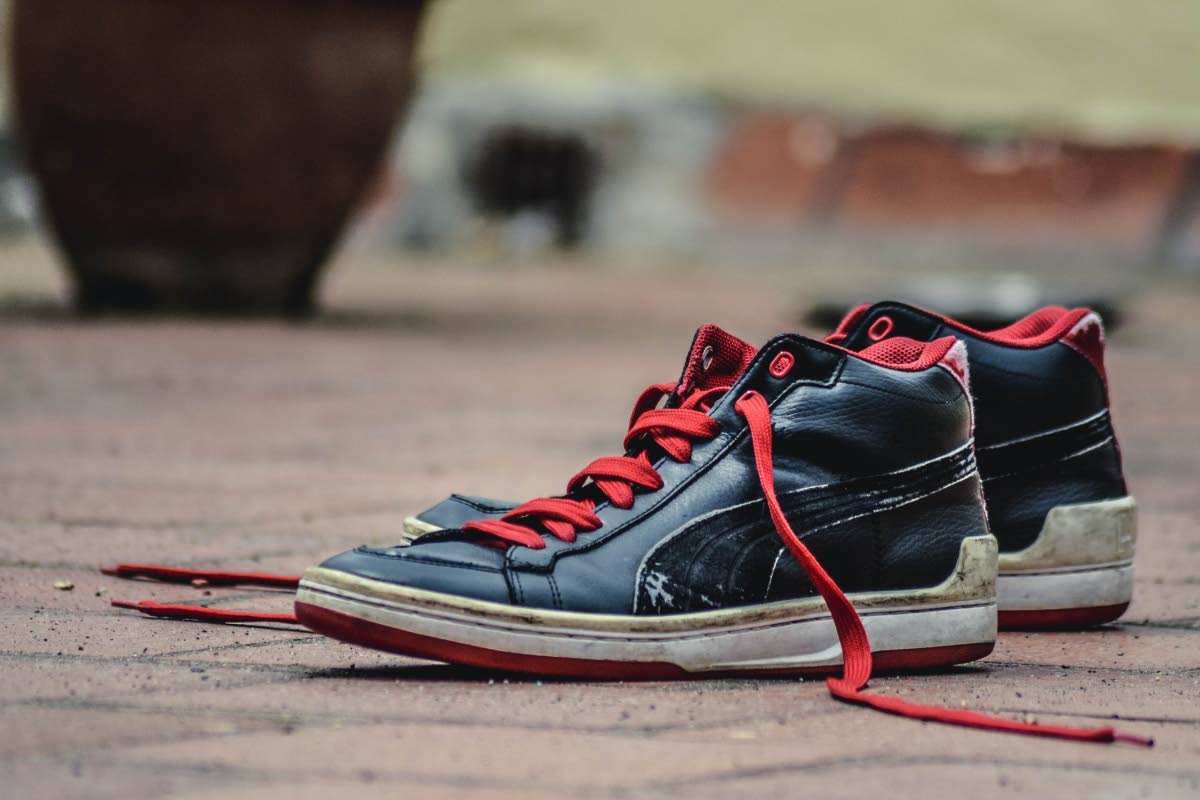 Photo - Pexels
-
Photo - Pexels
-
 Lily Apostolopoulos. Photo - Contributed
-
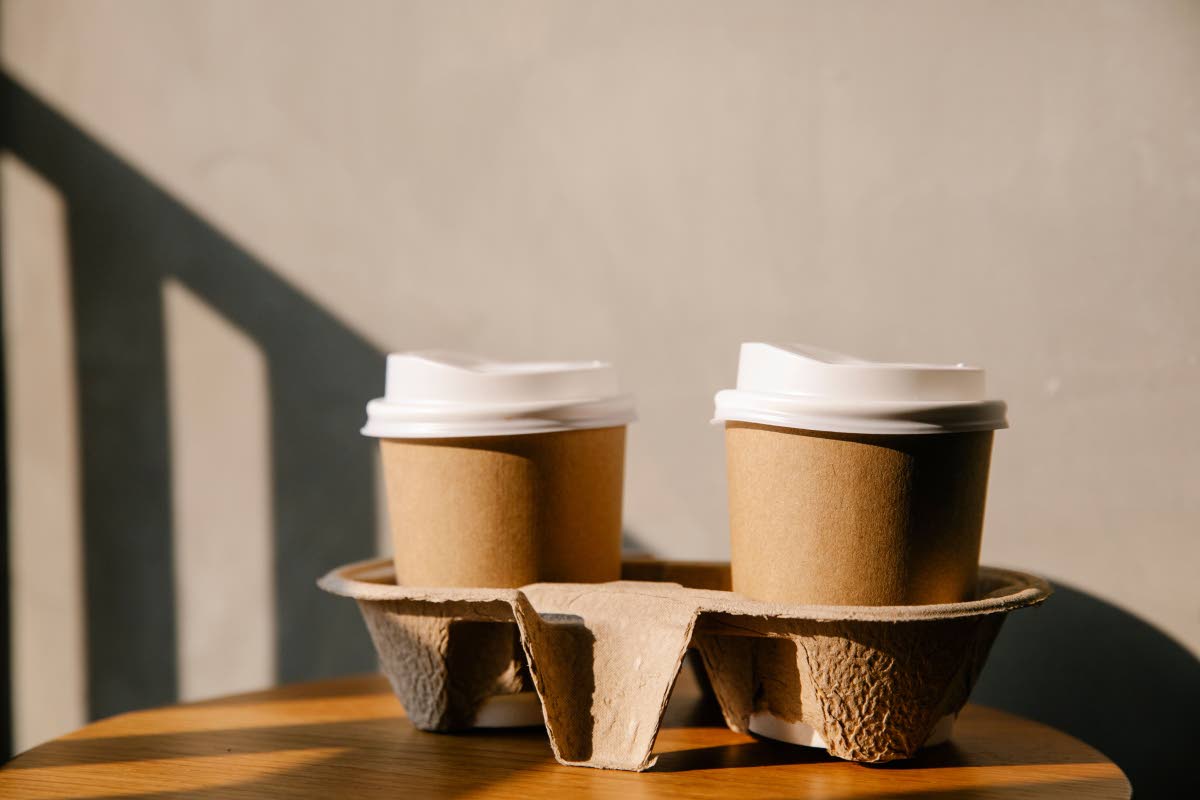 Photo - Pexels
What happens to an old pair of sneakers once they wear out? Or the coffee grounds left in your cup? Most of us toss these items without giving them a second thought, but many everyday materials have value after their original purpose has ended.
Around the world, people are finding new ways to give discarded items a second life. By reusing and repurposing items that might otherwise be thrown away, valuable resources are kept in use and out of landfills.
Upcycling is one way to rethink waste. By finding creative and practical uses for existing materials, it can lessen the demand for new raw materials while helping to keep the planet clean. While not every second-life solution falls under the definition of upcycling, they all share a common goal: extending the life of materials that might otherwise be discarded.
Here are six surprising everyday items getting a second life:
AFTER THE LAST SIP
For many people, coffee is part of a daily routine, and what happens to the grounds after the coffee is gone is easy to overlook. Globally, around six million tonnes of used coffee grounds are generated each year, and much of that waste ends up in landfills, where it releases methane as it decomposes.
Researchers and companies have found that coffee grounds can remain useful even after brewing is finished. Spent coffee grounds can be processed into biodegradable food packaging used to wrap produce and protect food during shipping. As concerns about plastic waste continue to grow, coffee grounds are becoming a promising alternative for more sustainable packaging solutions.
What most people see as waste could help replace some of the single-use packaging materials that we rely on every day.
BEYOND THE FINISH LINE
Most athletic shoes are built to last through years of running, walking and everyday use, but the challenge comes when they finally wear out. Sneakers are made from a mix of rubber, foam and synthetic materials, which are difficult to recycle through traditional systems.
The average pair of sneakers may seem no longer useful once the sole wears down, but the materials inside can still be repurposed. Instead of ending up in a landfill, some worn-out sneakers are being transformed into playground surfaces, running tracks and sports courts.
Recycled shoe materials have been incorporated into recreational surfaces worldwide, demonstrating how products designed for one purpose can be repurposed for another. In the process, old sneakers are helping to create spaces where future generations can play.
SHELLS THAT SUSTAIN
Most people do not think twice about oyster shells after a meal. Yet, in coastal communities in Maryland and Virginia, those shells are becoming an important resource for ecosystem restoration.
In these areas, what typically looks like food waste is actually one of nature’s best building materials. Oyster reefs once covered large portions of the Atlantic coast, but populations in the Chesapeake Bay have declined to roughly one per cent of their historic levels. Without enough living oysters to naturally rebuild reefs, recycled oyster shells provide a critical hard surface for young oysters to attach to and grow on, making them one of the most effective resources for reef restoration.
The benefits extend beyond the oysters themselves. Healthy reefs can improve water quality, reduce erosion, and create habitats for marine species such as fish and crabs. An analysis of 245 restoration projects from 1960 to 2020 found that restored reefs increased oyster production more than twentyfold while also improving ecosystem health.
For coastal communities facing environmental pressures, something as simple as a discarded shell can help rebuild a habitat.
SEA TO SHORE
Fishing gear left behind is one of the most persistent forms of marine pollution. An estimated 640,000 tonnes of fishing nets are lost or abandoned in the world’s oceans every year, where they can continue to harm wildlife long after they are no longer in use.
Fishing nets are made from synthetic polymers such as nylon, woven into dense grids designed to withstand waves and abrasive sand without snapping. This durability means the plastic does not easily degrade over time. When recycled and recovered, those same fibres can be transformed into long-lasting products.
Companies are increasingly recovering abandoned fishing gear and transforming it into products such as sunglass frames and other consumer goods. By keeping these materials out of the ocean, these efforts can help reduce harmful marine debris while giving used fishing nets a second life.
What was once a threat to marine ecosystems is now being repurposed into everyday items.
SPUN FROM CITRUS
Orange juice may seem like an unlikely starting point for clothing, but researchers have spent years exploring that possibility.
Nearly half of every orange, including the peel, pulp and seeds, remains after consumption and processing. In Italy alone, citrus production generates around 700,000 tonnes of waste each year.
Textile innovators have developed ways to extract cellulose from orange peels and convert it into fibres that can be used in the manufacture of clothing and textiles. What started as an experiment in a laboratory is now showing up in real fashion collections.
As the fashion industry looks for alternative materials, agricultural by-products such as orange peels are demonstrating how waste can become a new resource.
FROM WARDROBE TO WALLS
Americans discarded more than 17 million tonnes of clothing and textiles in 2018. Globally, the fashion industry generates an estimated 92 million tonnes of textile waste annually, much of which ends up in landfills.
Because denim is primarily made from cotton, it can be recycled into new products rather than being disposed of immediately. Programmes collect worn-out jeans and denim scraps, which are then shredded and transformed into denim insulation, a natural building material that can be used in homes and community-building projects.
Recycling denim into insulation means less cotton ending up in landfills and less energy being used to produce new materials. Old denim can help improve energy efficiency in homes across the country.
EARTHDAY.ORG is the driving force behind the Earth Day movement year-round. Readers can receive articles such as this by signing up for its email list, and can also follow the organisation on X, Facebook, Instagram and YouTube for environmental news and information.
For more individual actions, readers can also explore Earth Day’s ‘50 Easy Ways to Help the Planet Every Day’.
Lily Apostolopoulos is a graduate student in urban and environmental planning at Arizona State University, specialising in environmental resiliency planning. Article courtesy of EARTHDAY.ORG