Donna Scott-Mottley | A united CARICOM is a necessity
Loading article...
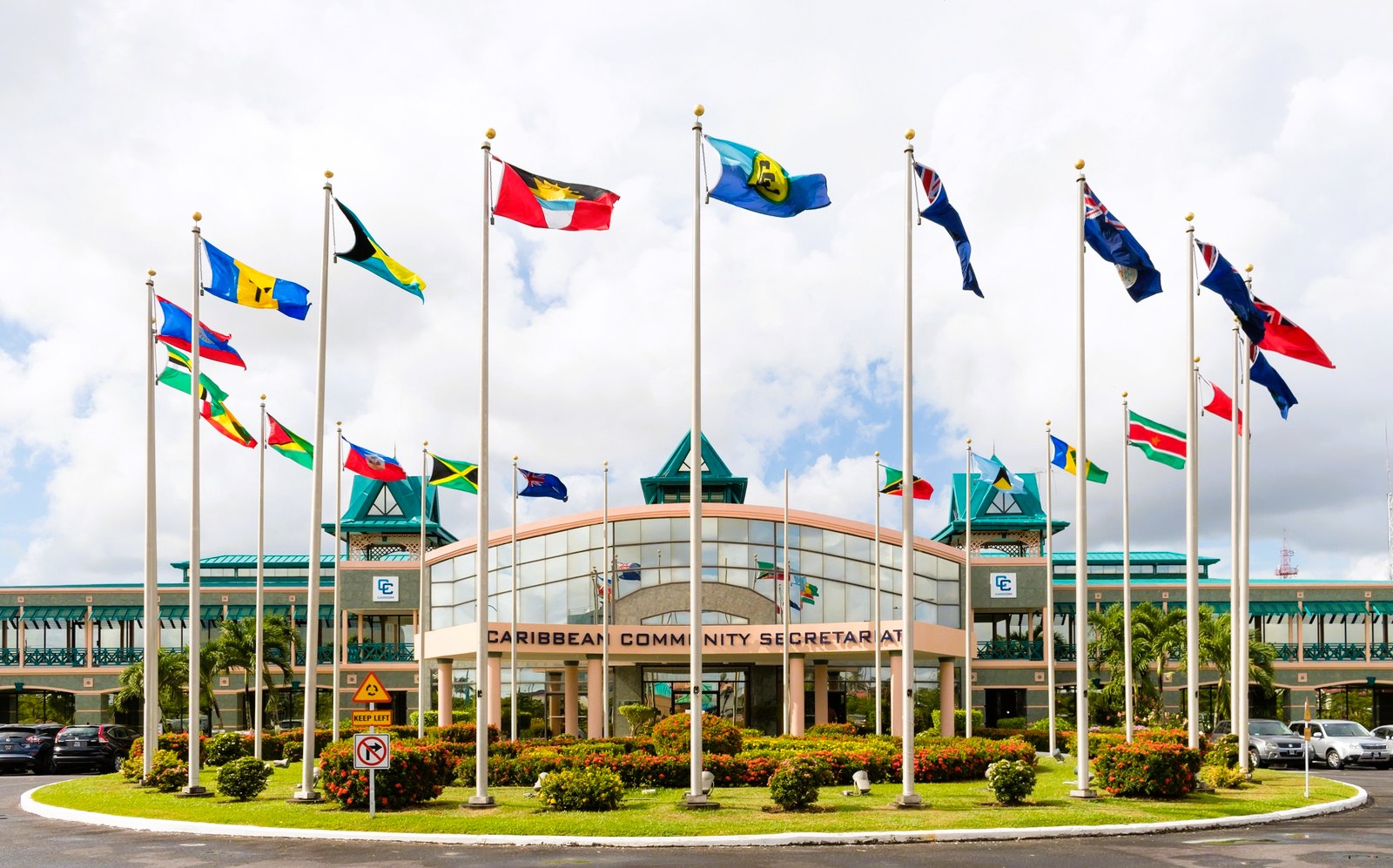
“We must learn to live together as brothers or perish together as fools,” said Martin Luther King Jr. It is a truth that speaks directly to the Caribbean today. Geography alone is not enough to define us. We are bound not just by sea but by a shared inheritance of struggle, resilience, and possibility. Too often, we approach our future as states navigating parallel challenges rather than as a unified bloc. This reality is no longer sustainable.
The global order is shifting, with power consolidating in larger blocs, alliances being redrawn, and small states increasingly vulnerable to decisions made far beyond their shores. The question is no longer whether Caribbean unity is desirable but whether we can afford its absence.
A strong and united Caribbean Community must, therefore, move beyond ceremonial integration and into functional, strategic alignment, confronting not only the structural challenges we face but also the ideological divides that weaken our collective voice.
Within CARICOM, differing foreign policy orientations, economic philosophies, and historical relationships with global powers are not inherently problematic; diversity can strengthen decision-making. However, where those differences prevent coordinated action, they shift from being a strength to a liability.
The Caribbean has long understood the value of solidarity. It shaped our independence movements and gave rise to our regional institutions, and it must now define how we respond to the defining issues of our time.
Consider healthcare. For decades, the Cuban medical cooperation programme has stood as one of the most tangible expressions of regional partnership, with Cuban doctors and nurses filling critical gaps across our health systems, especially in underserved communities. Beyond service delivery, Cuba has played a significant role in training Caribbean nationals, expanding our human-resource capacity beyond what many institutions have achieved.
This offers a clear lesson: within our region, there are strengths that if properly harnessed, can reduce dependence on external actors. Cooperation is not theoretical. It is practical, measurable, and impactful, but it also requires a level of maturity where ideological discomfort does not override the needs of our people. This is not about uncritical alignment with any one country but about recognising that Caribbean solutions can, and do, exist within the Caribbean.
The same principle applies to education and training. Across the region, there are centres of excellence in law, medicine, engineering, agriculture, and the creative industries, yet we continue to operate in silos, duplicating efforts and underutilising capacity.
A truly integrated CARICOM would coordinate training institutions, allowing for specialisation, resource sharing, and mobility for students and professionals. It would mean, for example, a medical student in Jamaica accessing training opportunities in Cuba or Barbados with ease while supporting a regional approach to technical education aligned with the economic needs of the Caribbean.
In a global economy that rewards scale and efficiency, fragmentation is a disadvantage we can no longer afford. Nowhere is this more evident than in the fight against climate change.
The Caribbean remains among the most climate-vulnerable regions in the world, with rising sea levels threatening our coastlines, stronger and more frequent hurricanes disrupting our economies, and droughts and flooding undermining food security. These are not distant projections but lived realities that demand a coordinated response. Yet despite this shared vulnerability, our approaches remain largely national.
A united CARICOM must adopt a coordinated climate strategy that leverages our collective bargaining power on the global stage, recognising that when we speak as one, we carry greater weight in international negotiations and are better positioned to advocate for climate financing, loss and damage mechanisms, and fairer terms in global environmental agreements.
Importantly, unity must extend beyond advocacy and shape implementation. Regional collaboration can drive investment in renewable energy, reduce dependence on imported fossil fuels, strengthen disaster-preparedness systems, and support climate-resilient agriculture, ensuring that food security is not left to chance. These are practical necessities.
There is also a broader geopolitical reality to consider. Small states, acting alone, have limited influence, but collectively, the Caribbean represents a market, a voting bloc, and a cultural force that commands attention.
We have seen how larger groupings, such as the European Union, leverage unity to negotiate trade agreements, set regulatory standards, and protect their interests on the global stage. While our context is different, the principle remains the same: there is strength in numbers.
The Caribbean must also look outward with intention, particularly through deeper engagement with Latin America, which presents opportunities for economic expansion, cultural exchange, and political alignment. A more cohesive CARICOM is better positioned to build these partnerships as a unified region rather than as individual states seeking bilateral advantage. This ultimately requires a shift in mindset.
Regionalism cannot remain a diplomatic formality. It must be embedded in national policy, economic planning, and political priorities, supported by leadership willing to look beyond immediate national gain and invest in long-term regional strength.
It also requires trust, trust that cooperation will not diminish sovereignty but strengthen it and that shared progress is not a zero-sum exercise but a collective advancement.
The challenges before us are too great for isolation. Climate change will not spare one island and punish another, global economic shifts will not recognise our borders, and health crises do not respect geography. Our response, therefore, cannot be fragmented.
A united CARICOM is not about uniformity but alignment and about recognising that while we are distinct nations, we share a common future. The question is whether we will approach that future together, with purpose and conviction, or continue to navigate it separately, at our own peril. The time for deeper integration is not ahead of us. It is now.
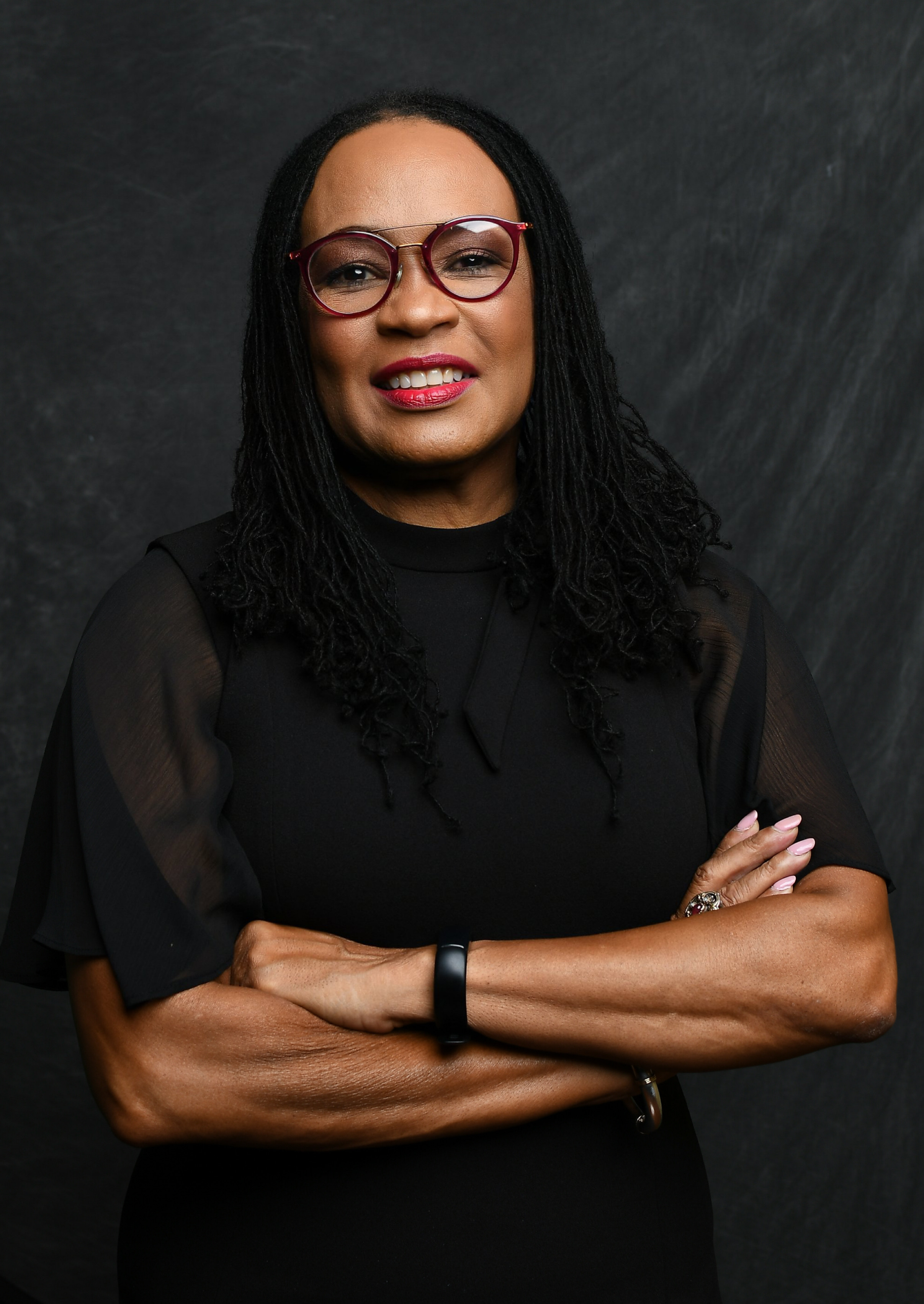
Donna Scott-Mottley is a senator, opposition spokesperson on foreign, regional, and diaspora affairs and the leader of opposition business in the Senate. Send feedback to columns@gleanerjm.com.