Elizabeth Morgan | King Charles III’s Caribbean visit, as seen from regional and British media reporting
Loading article...
-
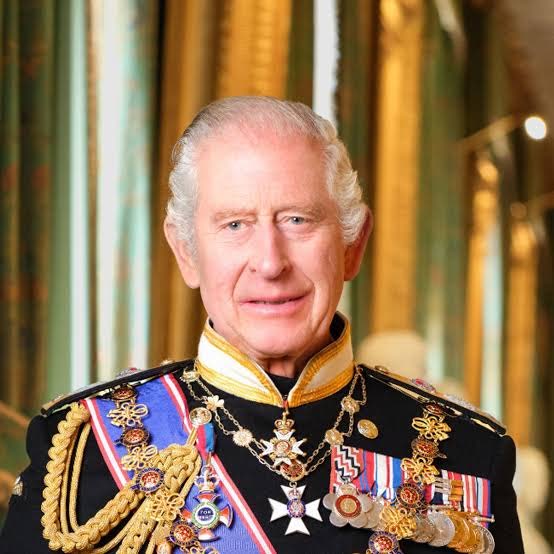 King Charles III. Photo - Contributed
-
King Charles III. Photo - Contributed
-
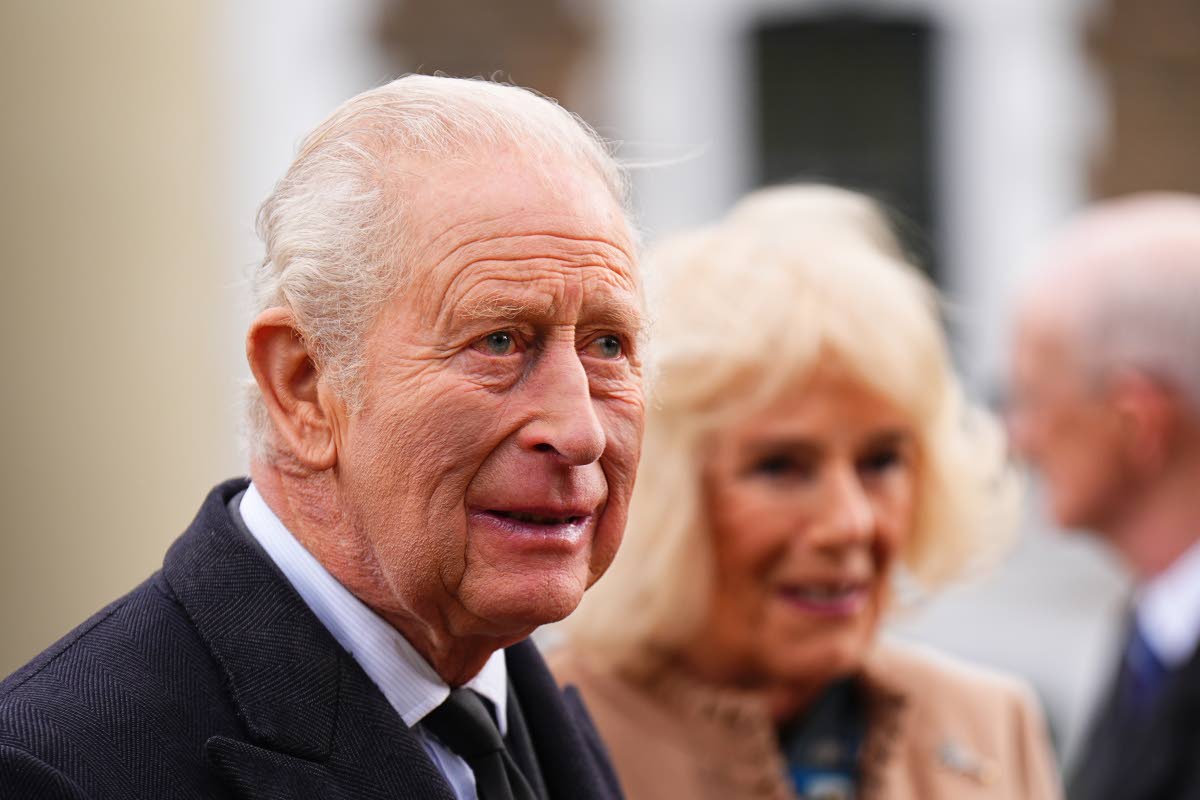 Britain’s King Charles and Queen Camilla. Photo - AP
King Charles III will be paying an official visit to the Caribbean from Tuesday, October 27 to Wednesday, November 4. He will be visiting the Bahamas from October 27-29 as head of state; Guyana from October 29-30 on a state visit to mark 60 years of independence and diplomatic relations; and Antigua and Barbuda from November 1-4 as head of state and head of the Commonwealth (CHOGM 2026). Antigua and Barbuda will be marking 45 years of independence on November 1-2.
It needs to be understood both in the Caribbean and the United Kingdom (UK) that King Charles is head of state of some Commonwealth countries (realm states), as monarch, separate from his position of head of state/monarch in the UK.
The Bahamas and Antigua and Barbuda, along with six other Commonwealth Caribbean countries, are realm states. Guyana became a republic in 1970 after gaining independence in 1966 as a monarchy.
It also should be understood in the Caribbean and the UK that becoming a republic is in the constitutions of the countries. This is a choice. It is not an affront to the British monarchy and does not impact relations with the British government. Of the 56 Commonwealth member states, 36 are republics and five have native monarchies.
Main issues during the trip
The main issues that could arise during the King’s visit, as reported within the region, are as follows:
The Bahamas
In the Bahamas, it is reported from the Government of Prime Minister Phillip Davis, that King Charles will be making his first visit to the Bahamas as head of state, and will focus on Bahamian culture, heritage, youth development, national resilience, and marine/environmental conservation.
Discussions on becoming a republic have been taking place in the Bahamas since 2002, with people having mixed feelings on this matter. From 2012, it was decided that a public education process should begin. It is the view within the government that this is a natural progression in governance and must be a decision of the people. No timeline has been set for a referendum on transition.
The British government has taken the position that this transition to a republic is a decision for the government and people of the Bahamas, and any other realm state.
On reparations, there is a Bahamas National Reparations Committee chaired by Dr Niambi Hall Campbell-Dean. This committee has criticised the king’s visit but there is no clear indication of what action they will take. The Ethiopia Africa Black International Congress, a Rastafarian group, is reported to be planning to demonstrate and submit a petition.
Guyana
In Guyana, besides discussions on Guyana/UK relations, the king will have meetings with the Guyana business community, Indigenous peoples, and discussions on environmental projects and sustainable urban development. His visit also coincides with the second Global Biodiversity Alliance Conference being held in Georgetown.
Eric Philips is chair of the Guyana National Reparations Committee. It is reported in the British media that he and others have called for King Charles to apologise for slavery.
The NewsRoom, a Guyana news outlet, reports that President Irfaan Ali, in an interview with the British ITV news, described King Charles as a friend and partner of Guyana, while maintaining that the historical legacy of slavery is an issue that cannot be overlooked. President Ali was measured in his responses in this interview. He pointed out that the relationship between Guyana and King Charles extended well beyond the historical debate to an interest in other matters such as climate change and biodiversity.
Antigua and Barbuda
In Antigua and Barbuda, as head of state, King Charles, and Queen Camilla, will undertake events related to local culture, heritage, and communities as the country marks its independence.
On becoming a republic, this matter has been raised in Antigua and Barbuda. As in other realms, it requires a referendum. The government has said that it wants to transition. A constitutional reform committee was established in February. The Oath of Allegiance in Parliament was amended in 2025. In 2018, a referendum on joining the Caribbean Court of Justice failed. Prime Minister Gaston Browne has said that the republic transition will not be on the agenda of the current royal visit.
Ambassador Dorbrene E. O’Marde is the chair of the Antigua and Barbuda Reparations Commission. This commission has urged the King and CHOGM to have meaningful discussions on reparations.
For CHOGM, reparations does not appear to be a main focus. The aim is to have the meeting focus on its theme, ‘Accelerating Partnerships and Investment for a Prosperous Commonwealth’. The future of the Commonwealth could depend on this at this critical time of geopolitics and economics. CHOGM will be opened by King Charles. This meeting’s success is important to Antigua and Barbuda as host.
British Media reporting
For many, media today is mainly about sensational reporting, controversy, subscriptions, and ratings. So far, British media reporting indicated that the main issues to be addressed during the King’s Caribbean visit will be first, an apology and financial reparation payments for transatlantic slavery; second, the move to becoming republics; and third, the CHOGM and its agenda, if at all.
It has been seen in the past, specifically during the 2022 Platinum Jubilee, that segments of the British media came to the Caribbean on royal visits with their own agendas. This year, reparations for slavery is their main interest. They are coming to the Caribbean intending to report on protests and to interview reparations and republic advocates. We have already seen some of this reporting. The aim will be to show rebellion in the Caribbean, to frame the royal tour as a disaster, and the Commonwealth as an anachronism.
The British government opposes an apology and reparation payments. In Britain, public opinion polls indicate that 60 per cent of the population are opposed to financial reparation payments for transatlantic slavery. There is support for an apology. Within the Caribbean, no evidence can be found of public opinion polls to determine the per centage of populations which support reparation claims. The advocates for reparations, who are most vocal and active, are mainly from academia, law, Rastafarian movements, Garveyites, and politicians.
Question: Can CARICOM countries, as small states, afford to fracture relations with the UK?
Let’s see how this royal visit unfolds and what will be the reporting, especially from segments of the British media.
Elizabeth Morgan is a specialist in international trade policy and international politics. Send feedback to columns @gleanerjm.com.