Roy Notice | Justice drought
Loading article...
-
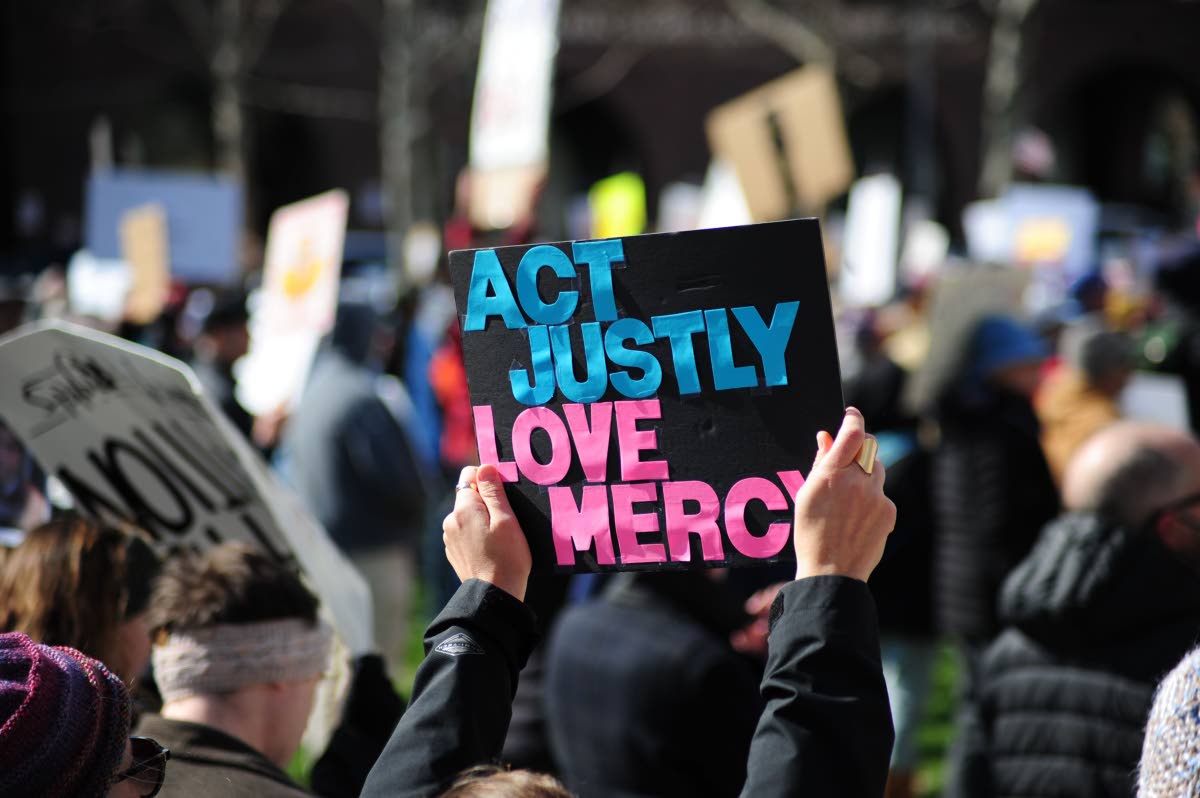 Photo - pexels.com
-
Photo - pexels.com
-
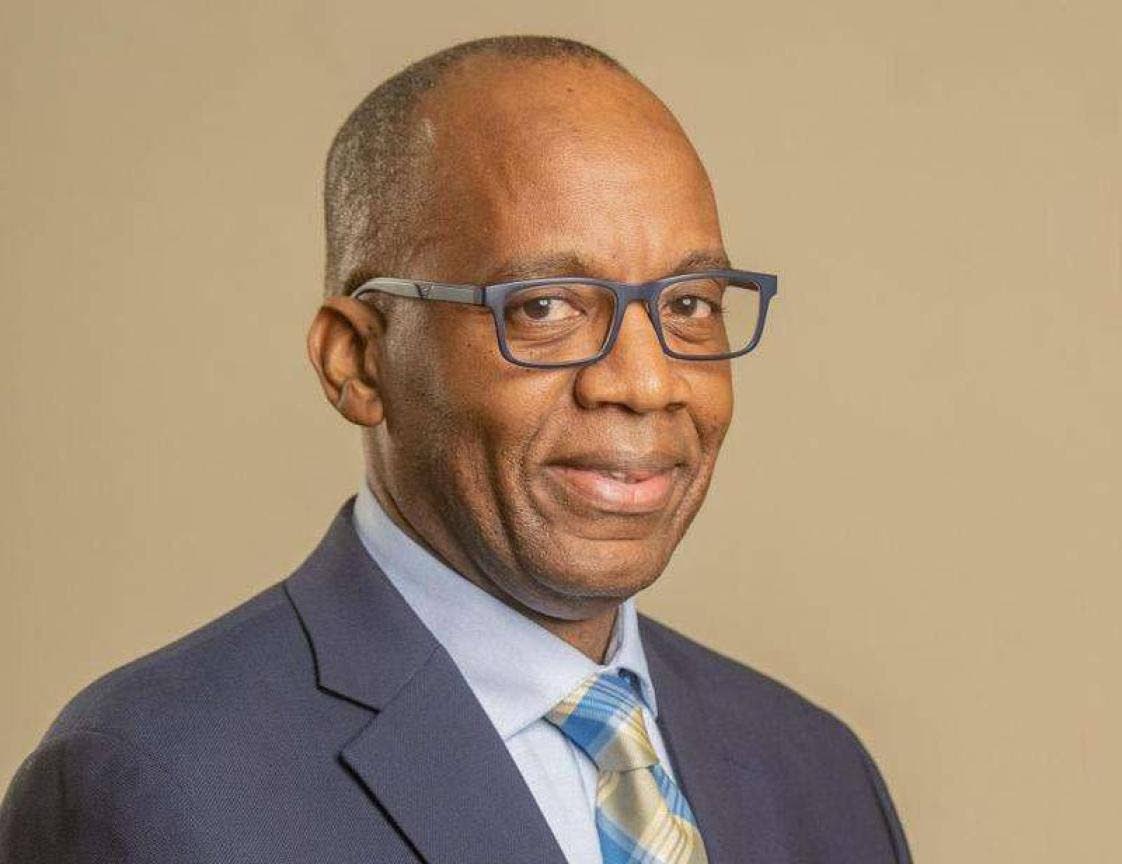 Dr. Roy Notice. Photo - Contributed
There are few biblical images of justice more powerful than the words of Amos: “ Let justice roll on like a river, righteousness like a never-failing stream!” (Amos 5:24). Justice is supposed to flow, reaching people and places, refreshing communities, and extending beyond those who already possess power, wealth, and influence. When the river stops flowing, we experience what may be described as a justice drought.
It is certainly not a drought of conversation. Theologians, politicians, academics, ordinary citizens, and activists discuss, debate, promise, and demand justice. But there is a more searching question: Are people experiencing justice? Justice must move beyond theory and become something tangible in everyday life.
The prophets make justice intensely practical. Micah says, “Act justly and love mercy.” (Micah 6:8) Isaiah declares, “Defend the oppressed. Take up the cause of the fatherless; plead the case of the widow.” (Isaiah 1:17) Zechariah specifically names the widow, the fatherless, the foreigner, and the poor. For the prophets, justice has faces attached to it: the poor without resources, the widow without protection, the child without support, and the stranger without connections. Justice is not merely something we discuss or believe. It is something we do.
The late theologian Timothy Keller described biblical justice as giving people what they are due and living in right relationships. He further noted that biblical justice requires every person to be treated according to the same standards and with the same respect, regardless of class, race, ethnicity, nationality, gender, or any other social category. Justice therefore asks whether people receive the dignity, protection, and opportunity due to those created in God’s image.
Justice is not only what happens in the courthouse. It happens in the home, classroom, workplace, community, boardroom, and church. A justice drought exists wherever power operates without sufficient concern for the powerless.
Justice also requires us to ask difficult questions about how land, resources, and opportunities are distributed. The recent Cooper’s Pen controversy in Trelawny highlights one such tension. Homes were demolished on privately owned land after a longstanding dispute. Residents maintained that some families had occupied the property for decades, raising questions about displacement and due process.
Justice does not disregard private property rights. Those rights deserve protection. Yet we must still ask whether due process was followed, how vulnerable families should be treated when property rights are enforced, and what responsibility the state bears when people are displaced. Something may be legal while still raising questions about fairness, proportionality, and human dignity.
The continuing debate about access to Jamaica’s beaches presents a related challenge. Tourism and private investment generate considerable economic benefits, but as coastal lands are developed, will ordinary Jamaicans continue to enjoy meaningful access to the beaches and sea that form part of their national heritage? Development should create opportunity without producing exclusion.
Education presents another justice challenge. Should schools serving the most disadvantaged children receive greater resources because their needs are greater? Equal allocations can preserve unequal starting points. Sometimes justice means directing more resources where there is less.
We should also examine how students are placed within the education system. Does concentrating high-performing students in already successful schools, while those needing greater support are concentrated elsewhere, reinforce inequality? This is not about lowering standards. It is about ensuring that every child has a fair opportunity to succeed. The name on a child’s school uniform should not determine the limits of that child’s future.
The challenge also extends to the Church. The Church must be a voice for justice, but it must also be a community of justice. Are employees paid fairly and on time? Are finances managed transparently? Are hiring and disciplinary processes fair? Are children and vulnerable persons protected? Are influential individuals held to the same standards as everyone else?
The Church weakens its moral authority when it publicly demands justice that it is unwilling to practise privately. Justice must have hands and feet. Churches can support struggling schools, provide mentorship, help disadvantaged people access services, and promote reconciliation where conflict exists.
Across Jamaica, restorative justice initiatives, legal aid programmes, scholarships, and outreach efforts already demonstrate what justice in action can look like. These are streams of justice, and Jamaica needs more of them.
We cannot correct every injustice in Jamaica, but every congregation, institution, and citizen can address something. Jamaica does not need more speeches about justice. We need justice to flow through our homes, schools, workplaces, churches, businesses, courts, and Parliament.
The Church cannot stand on the riverbank describing the drought. It must help get the river flowing.
God’s word through Amos remains our summons: “Let justice roll on like a river, righteousness like a never-failing stream!”
Let justice flow. Let righteousness run. Let the drought end.
Bishop Dr. Roy Notice is the chairman of the Jamaica Umbrella Group of Church