Jalil Dabdoub | What we carried with us
Loading article...
-
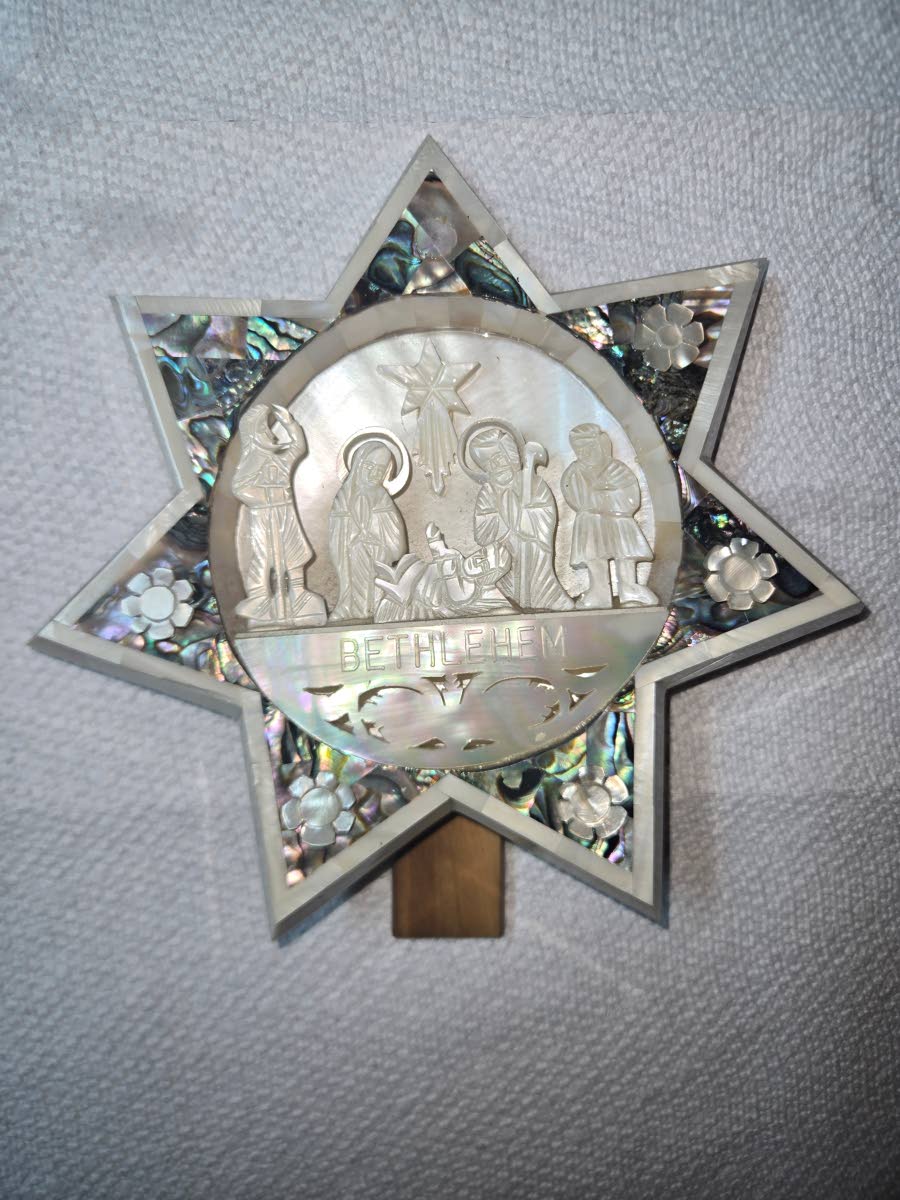 Photo - Contributed
-
Photo - Contributed
-
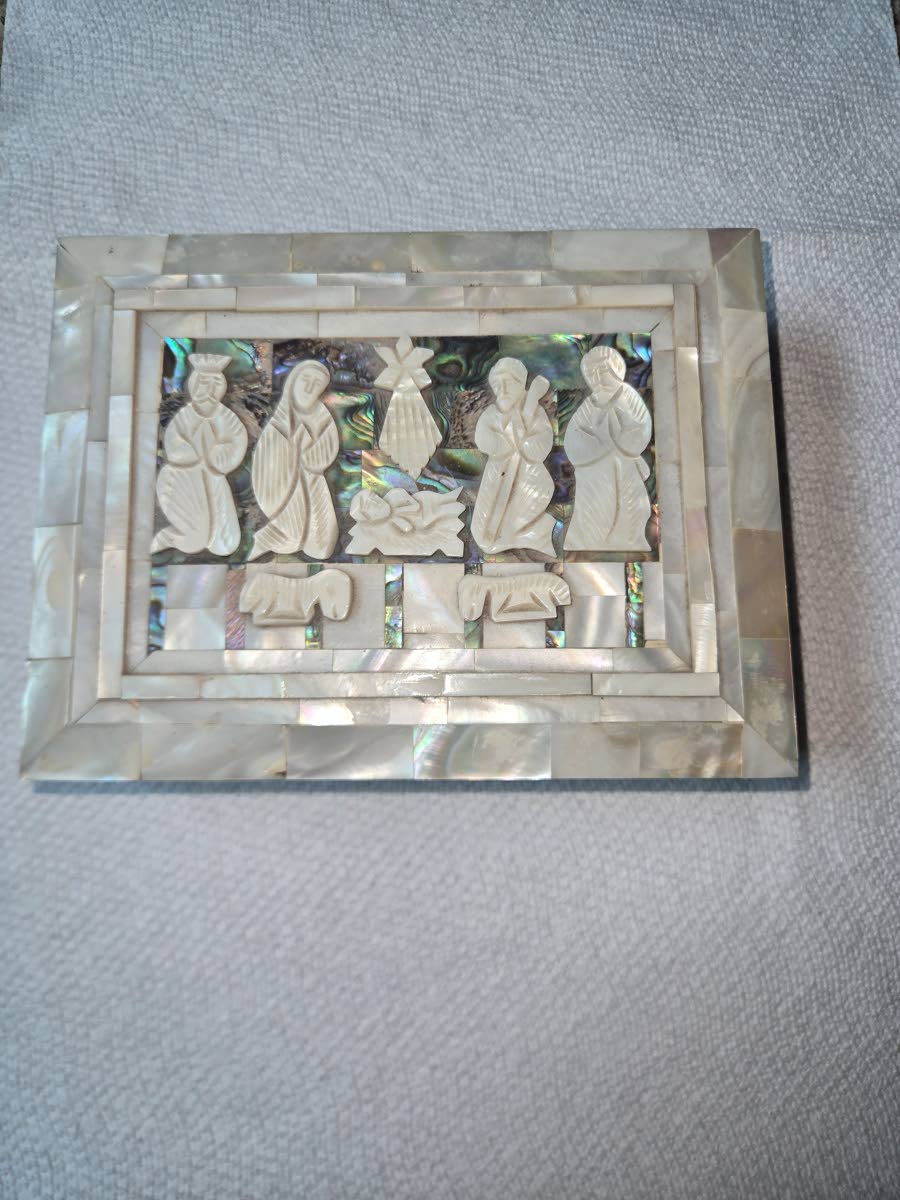 Photo - Contributed
-
 Jalil Dabdoub. Photo - Contributed
I am frequently asked why Palestine occupies much of my writing. The answer is simple: because behind the headlines and injustices are human lives, exactly like those of the women who raised me.
I refuse to let their lived experiences be reduced to statistics or sterile political arguments. Writing keeps their history, and that of millions like them, alive.
Three years ago, I lost my paternal grandmother. She was a woman of remarkable strength, dignity and influence. To her grandchildren and great-grandchildren, she was simply Sitti (Arabic for grandmother). Her life carried within it a history much larger than herself.
Sitti was the first child born to her parents in the Caribbean after they left Palestine. She was born far from the land of her parents, yet Palestine was never absent from the home in which she raised her family.
As a child, I did not understand that.
I remember in her closet strange-looking wardrobes and other relics, with a distinct musty smell, and objects made of mother-of-pearl that seemed exotic and archaic. I did not know then that I was looking at pieces of my family’s history.
Among them were religious and decorative mother-of-pearl works which were part of the Dabdoub family tradition in Palestine. The wardrobes contained the traditional Palestinian clothing of my great-grandmother and grandaunt, their thobes (robes) and shatwehs (headdress) decorated with golden coins that reflected their social status in Palestinian society.
Only later did I understand that these were not simply ornaments or old clothes. They were expressions of Palestinian identity, tradition and family history. So, too, were our family Sunday gatherings when Sitti would spend hours cooking traditional meals like Shish Barak and Mashi. I was surrounded by Palestine. I simply did not yet know it.
A few months ago, I lost my mother as well. She was the youngest of her family, the last to be born in Bethlehem. She left as a toddler, too young to remember the place of her birth. For more than half a century, Bethlehem existed for her largely through stories, photographs and the memories of others.
FINALLY ABLE TO VISIT
More than 50 years later, she was finally able to visit. I remember her excitement as she recounted walking through the streets of Bethlehem, visiting the house she was born in and meeting relatives she had never known. She swam in the Dead Sea and walked through neighbourhoods that existed in her family’s memory for decades, but were absent from her own childhood.
For a moment, the distance between the toddler who had left and the woman who had returned seemed to disappear.
My grandmother and my mother therefore left me more than memories. They left me a connection to a country I did not grow up in, but which was nevertheless part of who I am.
Their passing made me think about what displacement actually means.
We often speak about displacement in numbers. But, behind every number is a grandmother who remembers a house, a mother who remembers a village or a child who leaves before being old enough to understand what has been lost while being caught in the turmoil of history.
The Nakba of 1948 is not simply a historical or political event. Above all, it was a human catastrophe of extraordinary scale.
In 1948 alone, more than 750,000 Palestinians were displaced from their homes. Behind that number were families like mine, whose lives were scattered across the entire world, whose homes were left behind, and whose memories became the means by which a homeland survived.
Each took a piece of Palestine with them.
It travelled in the stories they told their children, in food and traditions, in embroidery, jewellery and clothing, in photographs and in the keys to houses whose locks were on the doors they could never reopen or be allowed to return to. It travelled in their names.
And sometimes it travelled in old musty-smelling wardrobes, containing thobes and shatwehs that a child in Jamaica would one day discover were pieces of his own inheritance.
This is why I struggle when the Palestinian experience is often reduced to some political argument. The Palestinian struggle and the injustices meted out to them started long before 1948, and continues to this day. The story remains painfully alive in genocide, apartheid, displacement and ethnic cleansing.
Whatever one’s politics, it is difficult to look at the injustice of Palestine and accept it.
I think about that when I remember my mother returning to Bethlehem after half a century. I think about that when I remember my grandmother and those old wardrobes in her closet.
As a boy, I saw old, musty-smelling relics. Today, I see a family trying, perhaps without even consciously knowing it, to preserve a connection to a place that had been stolen from them.
I see a grandmother who carried Palestine into Jamaica. I see a mother who left Bethlehem as a toddler and returned as an adult, searching for the beginning of her own story.
And I see myself, a Jamaican who inherited Palestinian heritage.
My family was fortunate. We were able to build a life in Jamaica and became Jamaicans. Like so many immigrant families, we built businesses, raised children and became part of the fabric of Jamaican society. Millions of other Palestinians are not that lucky.
But becoming Jamaican did not require us to stop being Palestinian. Perhaps that is one of the great lessons of displacement. People can leave a country, cross an ocean, change their language and nationalities, but their identity cannot be displaced.
History has repeatedly shown that people who suffer dispossession, persecution and attempts at erasure can preserve their identity through memory and family. The survival of a people is not found only in territory. Sometimes it survives in a grandmother, a garment, a piece of mother-of-pearl, a recipe, a photograph or a story passed from mother to child.
And sometimes it survives in a Jamaican-born grandchild looking at an old wardrobe and finally understanding what it meant.
MEMORY AND IDENTITY
My grandmother and my mother are gone now. But they left me something more enduring than possessions. They left me memory and identity.
They left me the responsibility to remember Palestine as a place where people lived ordinary lives, where women dressed for weddings, where families built businesses, children grew up, and where grandparents raised grandchildren.
Palestine, for my family, existed long before it became a question debated in the halls of foreign governments determining our fate.
That is the Palestine I inherited. This is why, when I think about what is happening there today, I see beyond maps, borders and colonialism.
I see my grandmother and my mother. And I see a people who, despite everything that has happened to them, are still fighting for something fundamental: the right to remember where they came from, the right to live with equal rights on their own land, and the right to have a future in the land that has been their home for centuries, and not as a fragment of memory resting in a closet thousands of miles away.
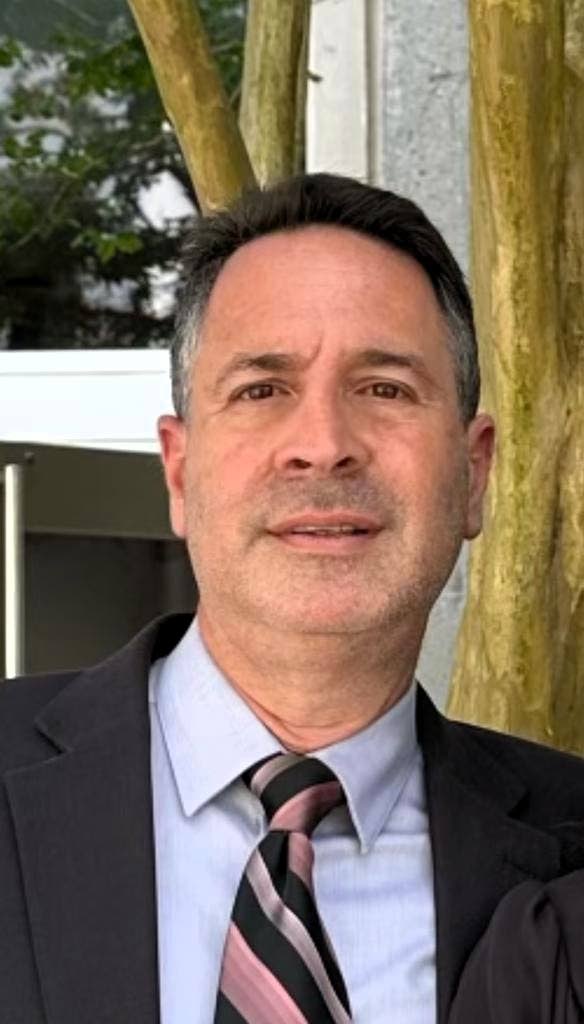
Jalil Dabdoub is an attorney-at-law. Send feedback to columns@gleanerjm.com