Skengdon’s dancehall legacy gets digital rewind
Loading article...
-
 Businessmann and music producer Kenneth ‘Skengdon’ Black. Photo - Contributed
-
Businessmann and music producer Kenneth ‘Skengdon’ Black. Photo - Contributed
-
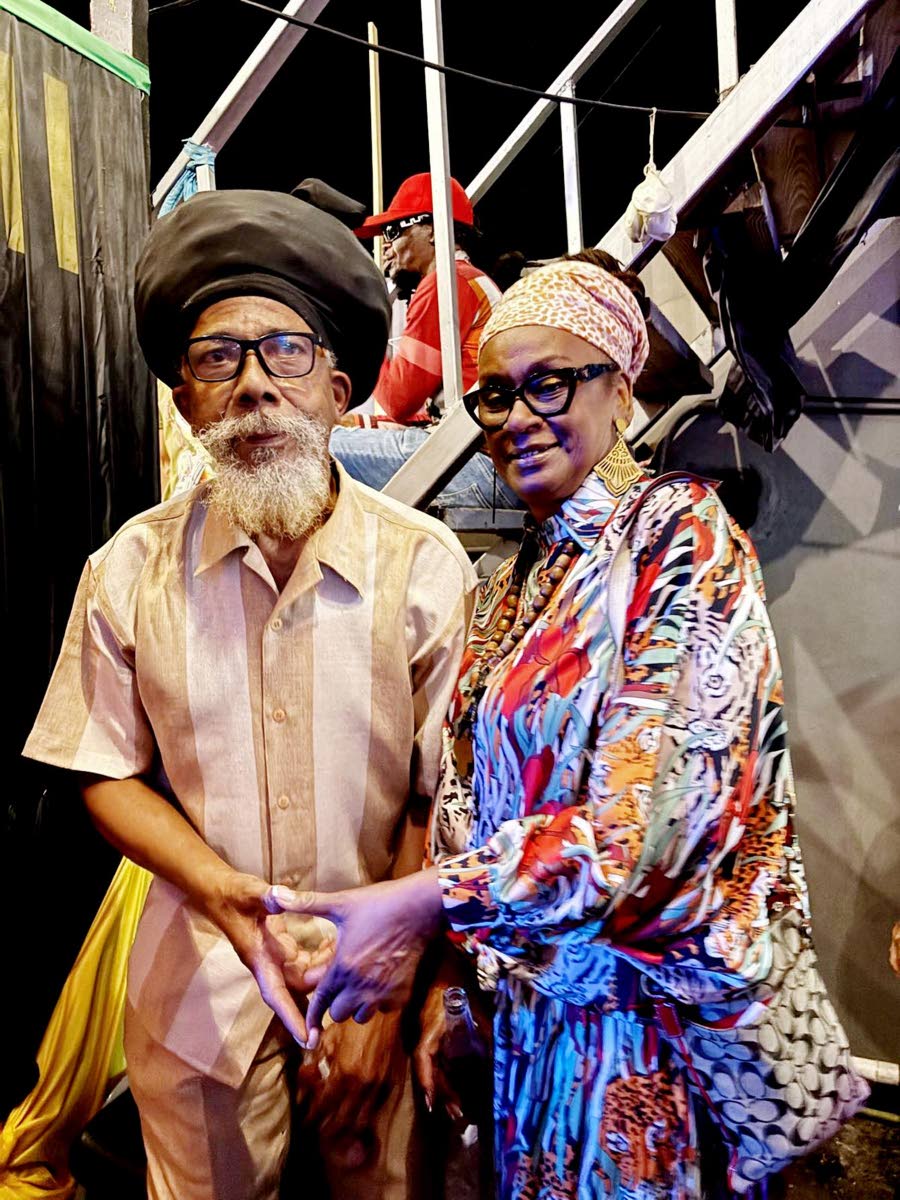 Danny Dread and Maxine Stowe. Photo - Contributed
-
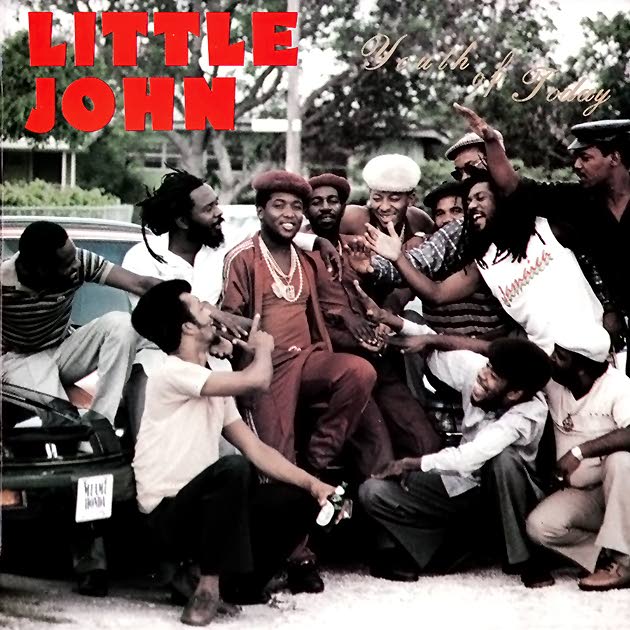 ‘Little John’ album cover. Photo - Contributed
-
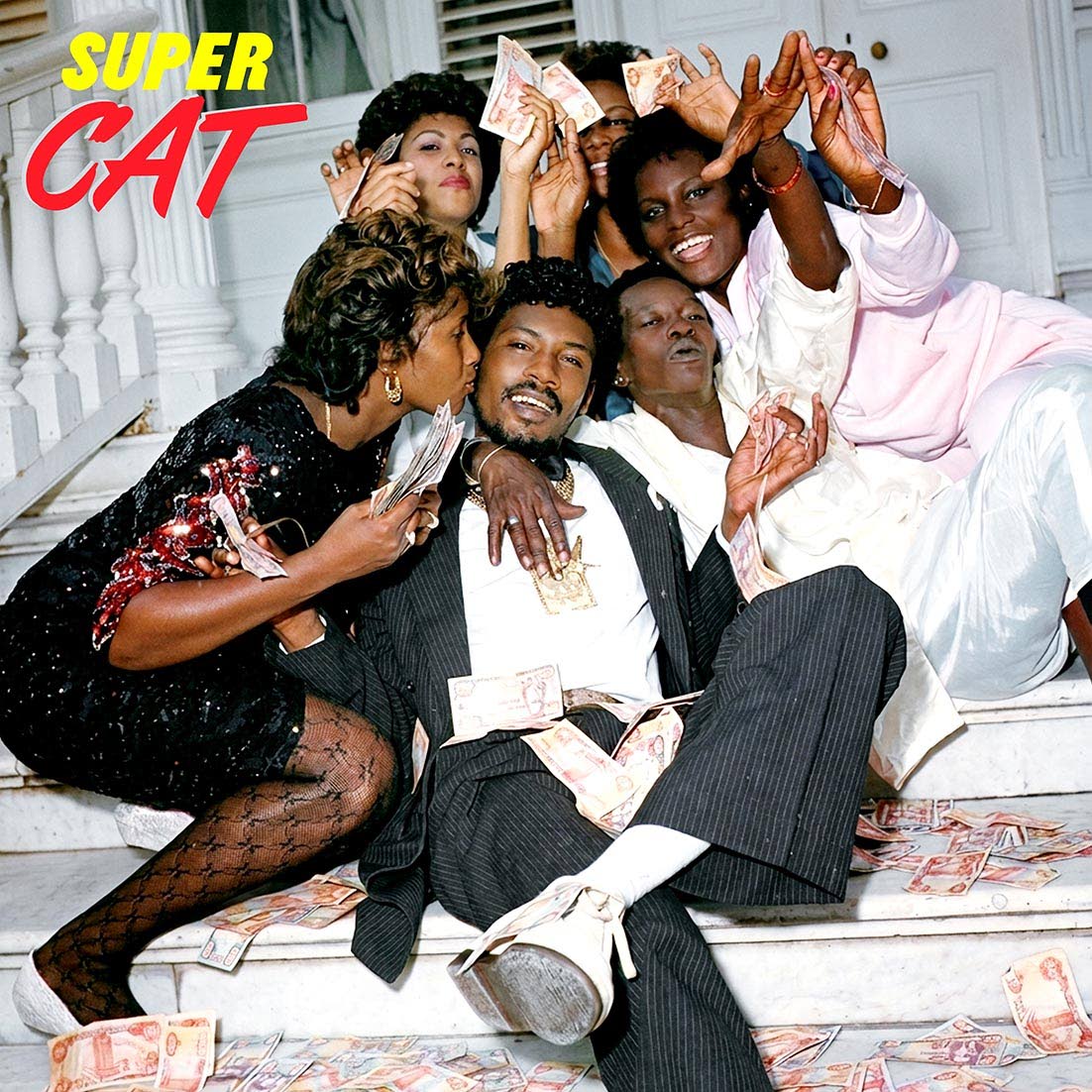 ‘Super Cat’ album cover. Photo - AG Guest Guest
-
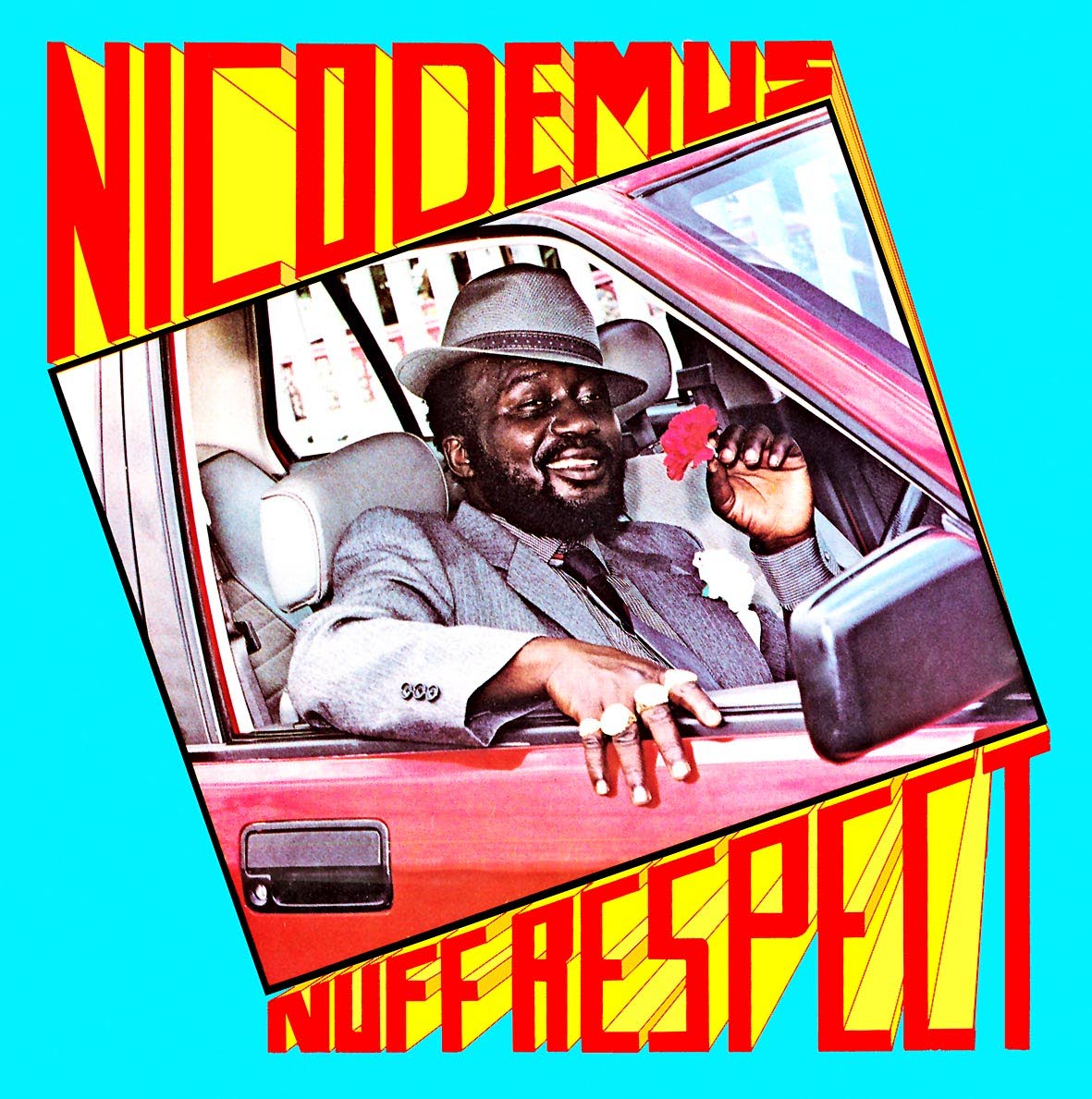 Photo - Contributed
In the 1980s, the giant speaker dancehall setting was the barometer by which noted producer-businessman Kenneth ‘Skengdon’ Black could judge whether a song was a bona fide hit or not. The dance was the ultimate litmus test where an emerging talent, a new voice, a booming riddim and a vibesy selector with the right touch could ignite a crowd. And Black was one of those in the music ecosystem who was prepared to bankroll that street-certified chemistry with hard cash.
Forty years later, the executive producer’s investment in Jamaican talent is getting another feature. Albums featuring Super Cat, Nicodemus and Little John will complete the digital rollout of the Skengdon album catalogue on November 20, through VP Records.
The releases will pave the way for Skengdon Anthology — The Sound System • The Studio • The Legacy, scheduled for the first quarter of 2027, bringing together recordings from an enterprise whose roots ran deep into sound-system culture.
For Black, the business began with people he knew and talent he trusted.
“My involvement started before the Skengdon recording sessions. I already had relationships within sound-system culture ... with Nicodemus, Little Harry, Echo Minott, Chaka Demus and others,” he recalled.
Those connections helped shape Stereo Mars. Black enlisted Nicodemus to recruit Danny Dread, who was transitioning from Socialist Roots, to take charge of the sound. Both men already had a musical relationship through Super Cat and, together, they channelled a smooth route from the dance to the recording studio.
“Danny’s musical judgement helped inform what I backed, and my responsibility was to provide the resources to develop it,” Black said.
While Danny Dread worked in Jamaica, Black was developing a Miami base with Roger Lewis through Inner Circle’s studio. Jamaican recordings were upgraded there, and new artiste recordings developed, extending the operation across both locations. Black would go on to establish his own SKD Studio with the first SSL board — a large-format analogue mixing console manufactured by Solid State Logic (SSL) — linked to Jamaican music recordings.
“The recording operation grew from those relationships and the facilities we were putting in place,” Black explained.
The musical network included Steely & Clevie, Jackie Mittoo, Bunny ‘Tom Tom’ and Oswald ‘Chunnie’ Palmer, alongside Lewis. Their involvement placed Skengdon at a fascinating crossroads, as live musicianship encountered the digital rhythms reshaping dancehall in the second half of the 1980s.
Yet, for Danny Dread, technology never displaced the essential ingredients: voice, timing and an understanding of how to move an audience.
“What you learn working with an artiste on the sound can help you understand what to do with them on a recording,” he said.
His description of working with Boops captures the selector’s role. The mixing itself became part of the performance, with the controls creating space for the deejay.
“By cutting and bringing back the bass and rhythm around the voice, you could create space for the deejay and change the energy in the dance. The artiste responded to you, and you responded to the artiste,” Danny Dread explained.
Super Cat thrived on that exchange. Danny Dread also credits Nicodemus with helping to develop Super Cat’s pacing, recalling two distinctive voices that understood how to work together.
“Cat responded to the live mixing, and Nicodemus was important in helping him develop his pacing,” he said.
Little John supplied the singer’s dimension.
Maxine Stowe, who is heading the reissue campaign, believes the Anthology set of three albums allows listeners to hear those differences clearly: the deejays’ delivery, the singer’s phrasing and the ways each approached a rhythm.
“The recordings themselves let us hear what each contributed,” she said.
The Anthology will widen the spotlight. Beyond the albums, Skengdon’s story survives in singles and combinations by artistes whose contributions were sometimes brief but remain part of the catalogue.
Stowe singles out Super Cat’s Mud Up for renewed attention, while pointing to Chaka Demus’s Young Girl Business; Annette Brissett’s King Majesty (Queen Majesty); and Tabby Diamond and Al Campbell’s Skengdon Crew.
Recordings by Cocoa Tea, Yami Bolo, John Holt, Earl Sixteen and the Tamlins will help reveal the breadth of that musical community.
“An artiste’s contribution might be one single, several recordings or an album. Each belongs in the history,” Stowe said.
Stowe’s own involvement connects the original enterprise to its revival. She worked with Black in the early Skengdon years alongside Sugar Minott, and later helped advance Super Cat’s international career through Columbia Records. She now leads the restoration campaign.
For Black, Super Cat’s recordings are central to any discussion of commercial success, although he says an exact ranking would require the accounts. His measure of the legacy is broader.
“Stereo Mars and Skengdon connected performance, artiste development and recording,” he said.
The reissues, he hopes, will give proper recognition to the work behind the records.
“And there was investment behind it: the sound system, recording facilities, support for artistes and the work between Jamaica and Miami,” Black said. “The reissues should help people recognise everyone who contributed.”
entertainment@gleanerjm.com