Eric Falt | Boys, schools and the growing education gap
Loading article...
-
 Students at Denahm Town High School. Photo - Courtesy UNESCO Jamaica office
-
Students at Denahm Town High School. Photo - Courtesy UNESCO Jamaica office
-
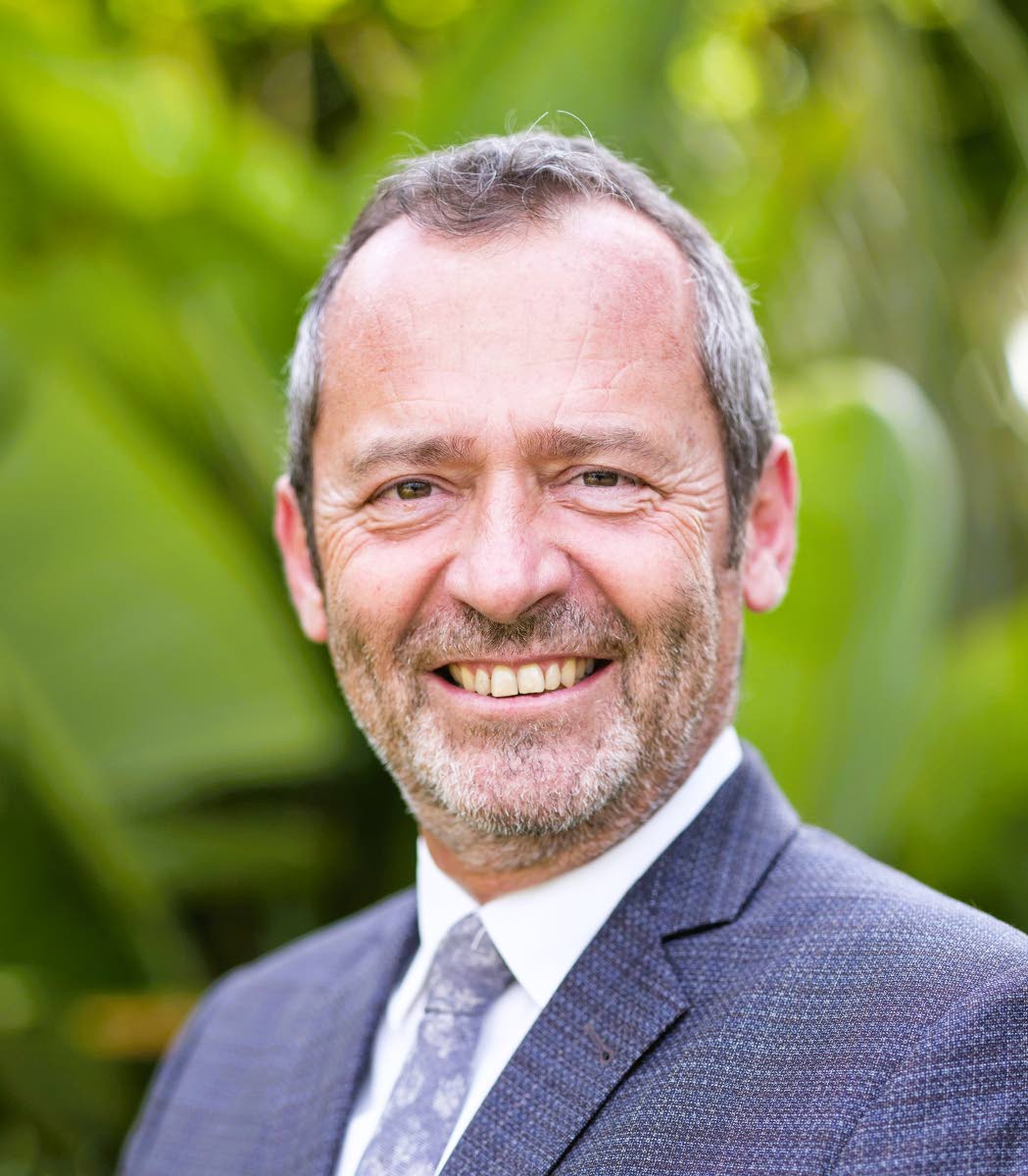 Eric Falt, regional director of UNESCO for the Caribbean. Photo - Contributed
What happens when a growing number of boys lose their connection with education? And what does this mean for the future of Caribbean societies?
These are not abstract questions. They concern the opportunities available to a generation of young people, the prospects of their communities and the capacity of education systems to prepare every child for adult life. Yet the educational disengagement and underachievement of boys, in particular the poorest and the most vulnerable among them, have not always received the sustained attention they deserve.
The issue is not that girls have made too much progress. On the contrary, advances in girls’ education are among the most important achievements of recent decades and must be protected and strengthened. But gender equality cannot be measured only by the progress of one group. It also requires looking honestly at where boys are struggling and why.
A new UNESCO study, Turning the Tide: A Stocktaking Analysis of Boys’ Educational Disengagement, Underachievement and Dropout in the Caribbean, provides an important contribution to this discussion. It examines available regional evidence, reviews existing research and interventions, and includes a case study on Jamaica. Its findings deserve serious consideration.
The Jamaican case study offers some particularly revealing insights. Among the 20 principals and vice-principals surveyed, 60 per cent expressed concern about boys dropping out of school, compared with 37 per cent who expressed concern about girls. Three-quarters considered literacy and numeracy outcomes good for girls in their schools, while only 35 per cent said the same for boys.
These are the perceptions of school leaders, not a measurement of examination results. But they point to a concern that deserves attention. The study also found that only 41 per cent of the 295 students surveyed said that most of the time, their education was preparing them for life and the world of work. Almost half said this was true only sometimes.
That last finding suggests that the challenge may be larger than the performance of boys alone. Are schools providing learning experiences that young people find relevant, engaging and connected to the opportunities they hope to pursue? Are students being helped to see a future for themselves through education?
The report raises difficult questions about teaching methods, curricula, relationships between students and teachers, school discipline, peer relationships and the social expectations placed on boys, let alone persisting gender norms. It highlights how social and economic pressures can encourage some boys to leave education early in order to earn an income. Expectations around masculinity may make it harder for them to acknowledge difficulties, seek support or remain engaged when school becomes challenging.
There is no single explanation, and there will be no single solution. Boys are not a homogeneous group. Their circumstances vary considerably, and the experiences of a boy growing up in a disadvantaged community may be very different from those of his peers elsewhere. Policies must reflect that diversity rather than rely on stereotypes about how boys learn or behave.
One of the more important messages in the UNESCO study is that schools must avoid lowering expectations of boys or assuming that restlessness, aggression or limited attention are simply part of being male. Such assumptions can shape how teachers respond to students, how discipline is applied and whether boys feel that they belong. The report calls for more gender-responsive teaching practices, better preparation of educators, stronger social and emotional support, positive role models and closer partnerships between schools, families and communities.
The evidence also points to a need for better data. The study is a regional stocktaking exercise, but it acknowledges the limitations of available information and the difficulty of conducting research across the Caribbean. More systematic and comparable data will be essential if governments are to understand which boys are most at risk, identify the reasons for disengagement and assess whether interventions are working.
This is why the Regional Conference on Boys’ Education, taking place in Montego Bay from November 30 to December 2, comes at an important moment. Convened by Jamaica’s Ministry of Education, Skills, Youth and Information, in partnership with UNESCO and the Caribbean Development Bank, it will bring together education ministers, policymakers, educators, male students from the region and other stakeholders under the theme ‘Turning the Tide: Engaging and Re-engaging Boys in Education’.
The objective should be to move beyond acknowledging the problem. The discussions must help identify practical measures that can be adapted to different national contexts: interventions that recognise early signs of disengagement, make learning more relevant, strengthen teacher-student relationships and give boys the support and encouragement they need to succeed. These measures should strengthen education for all students, not create a competition between boys and girls.
As the United Nations agency responsible for education, UNESCO believes that every young person should have the opportunity to learn, develop and contribute to society. That commitment requires attention not only to those who are succeeding, but also to those who are falling behind or quietly losing faith in the promise of education.
The Caribbean has much to gain from addressing this challenge. The cost of inaction will be borne not only by the boys concerned, but also by their families, their communities and the societies in which they will become adults.
Turning the tide begins with recognising that boys’ disengagement from education is neither inevitable nor someone else’s problem. It is a challenge that deserves evidence, honest debate and sustained action.
Eric Falt is the director of the UNESCO Regional Office for the Caribbean.