Editorial | Fee waiver changes little
Loading article...
-
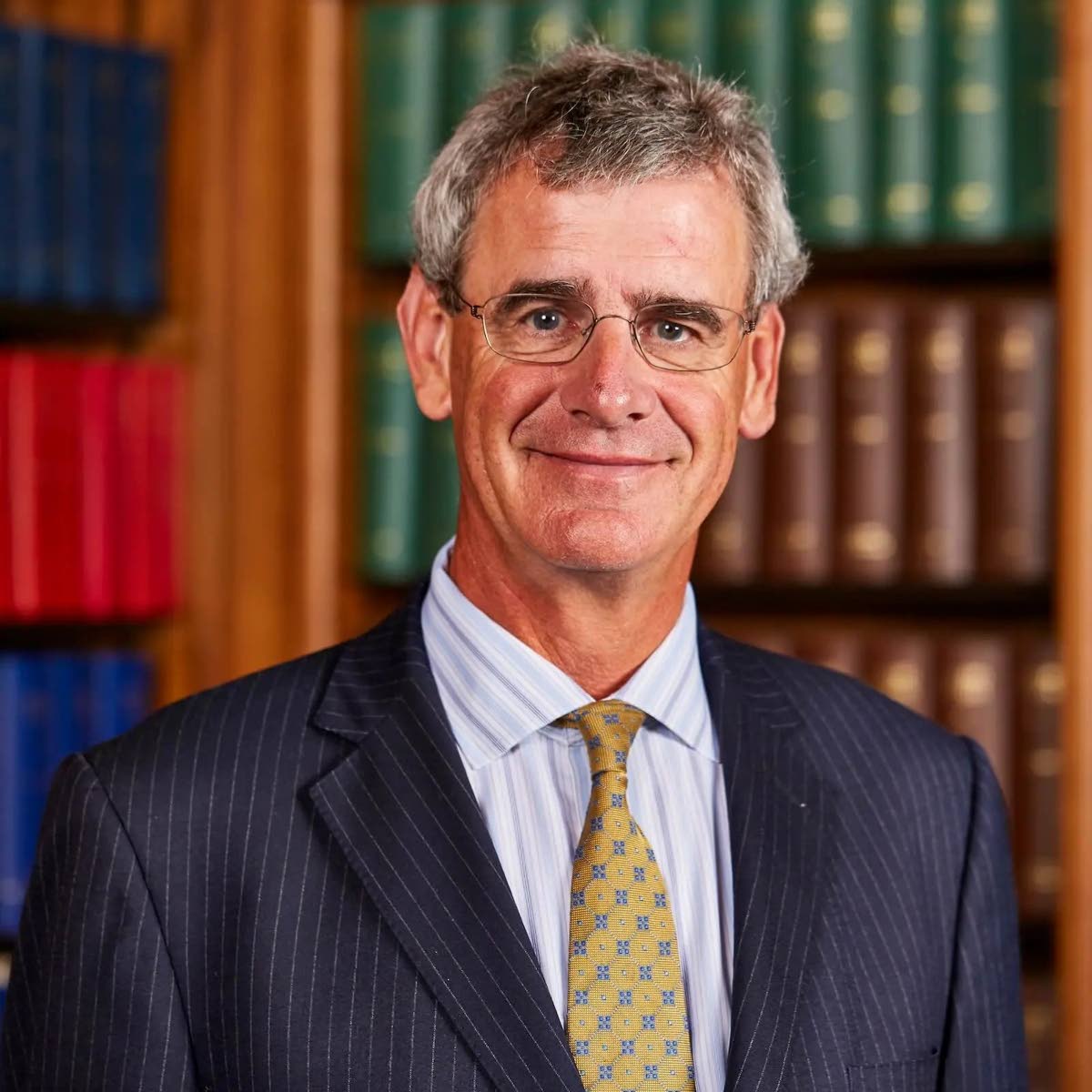
Lord Briggs
-
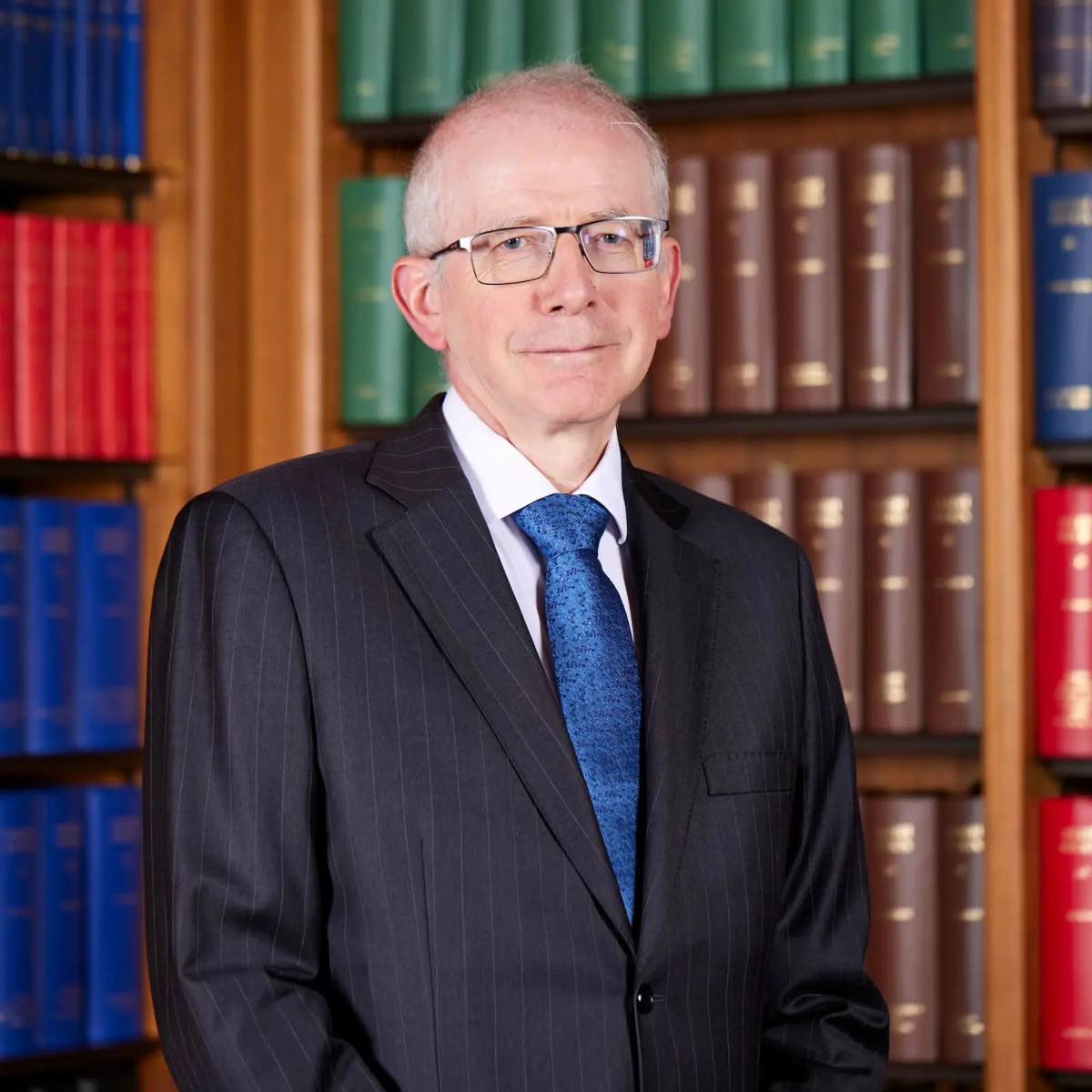 Lord Reed
Were we cynical, The Gleaner might have interpreted the Judicial Committee of the Privy Council’s (JCPC) intervention to have the British government waive visa fees for overseas litigants not as a genuine effort to improve access to justice but as an attempt to extend and shore up its relevance. The timing is notable given recent administrative disagreements among judges of the Caribbean Court of Justice (CCJ).
In the event that it is a genuine effort at improving access, we welcome the development, even as the Editorial Board notes that from a practical and philosophical standpoint, nothing has fundamentally changed.
Indeed, Jamaican litigants and attorneys with cases before the Privy Council will no longer have to pay the J$31,480 application fee for British visas. These applications will now, or are supposed to, be processed preferentially by the British High Commission. However, there is no certainty that a visa will be granted. That remains exclusively within the gift of the British government and may be exercised on any given day by a crotchety consular officer.
Put another way, Jamaicans still have no full right of access to the country where their final court, and that of six other former British colonies in the Caribbean, resides. Nor do judges from the seven independent Caribbean countries, or the five others scattered across the Indian and Pacific oceans that retain the JCPC as their apex court, have an automatic right to sit on its benches.
The law establishing the UK Supreme Court, whose judges comprise the Privy Council, limits its justices to people “who hold or have held high judicial office” in Britain. High judicial office is defined as judgeships on the Supreme Court, the Court of Appeal of England and Wales, the Court of Session, the Court of Appeal of Northern Ireland, and service as Lords of Appeal in Ordinary.
There is a theoretical loophole for non-British judges to be invited to sit on the JCPC if they are members of the King’s Privy Council, his body of advisers, of which Prime Minister Dr Andrew Holness is a member. However, that opening would likely be available only to judges from Jamaica and the Eastern Caribbean Supreme Court, whose member countries mostly retain the British monarch as their head of state. Yet no current justices from those jurisdictions are privy councillors.
In that regard, having pushed through the waiver of visa fees, Lord Reed, the outgoing president of the Supreme Court, should report on what headway he has made with his plan, announced nearly two and a half years ago, to lobby for a change in the law that would make it easier “to invite senior judges from outside the UK to sit with us again on the Privy Council”.
“This is not currently possible in relation to most of the Privy Council jurisdictions under the legislation which governs appointments,” Lord Reed told University of the West Indies, Mona, law students during a virtual seminar.
While a handful of Caribbean judges have sat on JCPC panels in the past, their participation was sporadic. None has done so since Jamaica’s Edward Zacca in 2004.
There is, however, a perception that having once expressed a wish to see the backs of the colonials, whose cases were thought to take up too much of the justices’ time, the Supreme Court under Lord Reed rediscovered an appetite for the JCPC. It also appears to be signalling to regional countries that have not yet acceded to the civil and criminal jurisdictions of the CCJ that the Privy Council remains open for business.
In a 2023 letter questioning The Gleaner’s assertion about previous concerns over the burden of overseas cases, Lord Reed suggested that the Privy Council would remain available for as long as participating jurisdictions wished. “We will continue to hear all appropriate cases that people wish to bring to us,” he said.
He also pointed out that 62, or 55 per cent, of the 112 cases heard by Supreme Court justices were Privy Council matters.
“Some of the most important cases for the development of the common law around the world are decided by the Privy Council on appeal and reflect the excellent work done by the judiciary in the countries themselves,” Lord Reed said.
Two things are noteworthy here. First, based on Lord Reed’s assertion, these cases help to elevate the jurisprudential standards of British judges, who get to settle the law for people in distant jurisdictions. Second, Privy Council cases are shared among several jurisdictions, including Britain’s overseas dependencies. Hardly more than a dozen cases from Jamaica reach the Privy Council annually.
Lord Reed and Lord Briggs, who will become president of the UK Supreme Court in January, have stressed their desire to improve access to the Privy Council. The visa-fee waiver is clearly part of that effort.
But the issues surrounding the Privy Council and access are far more profound than the physical and economic barriers involved, important though they are. There are also deep social, emotional, and psychological questions surrounding independence and sovereignty, of which the requirement for a visa to enter Britain is symbolic.
Having its highest institution of justice, as well as its symbol of sovereignty, resident in a country from which Jamaica supposedly declared its independence suggests that there is unfinished business demanding urgent attention. Jamaica should, therefore, withdraw from the Privy Council, accede fully to the CCJ, and set a fast timetable for ditching the monarchy.