Kemi has her space in Black History too
Loading article...
-
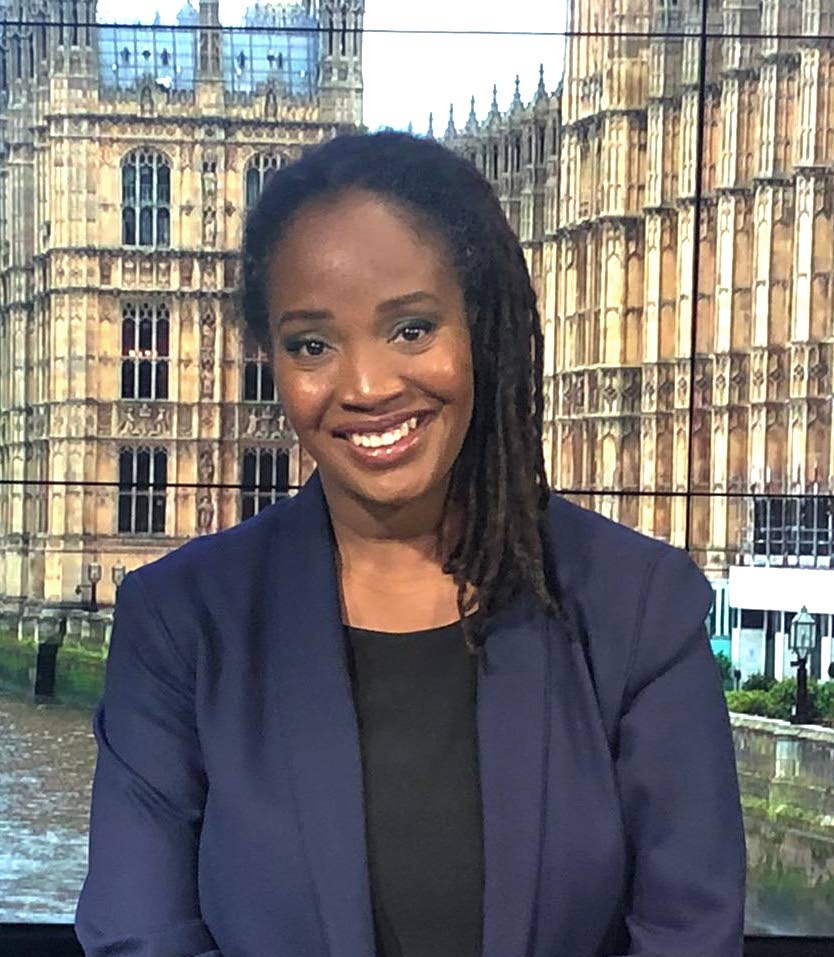 Taylor. Photo - File
-
Taylor. Photo - File
-
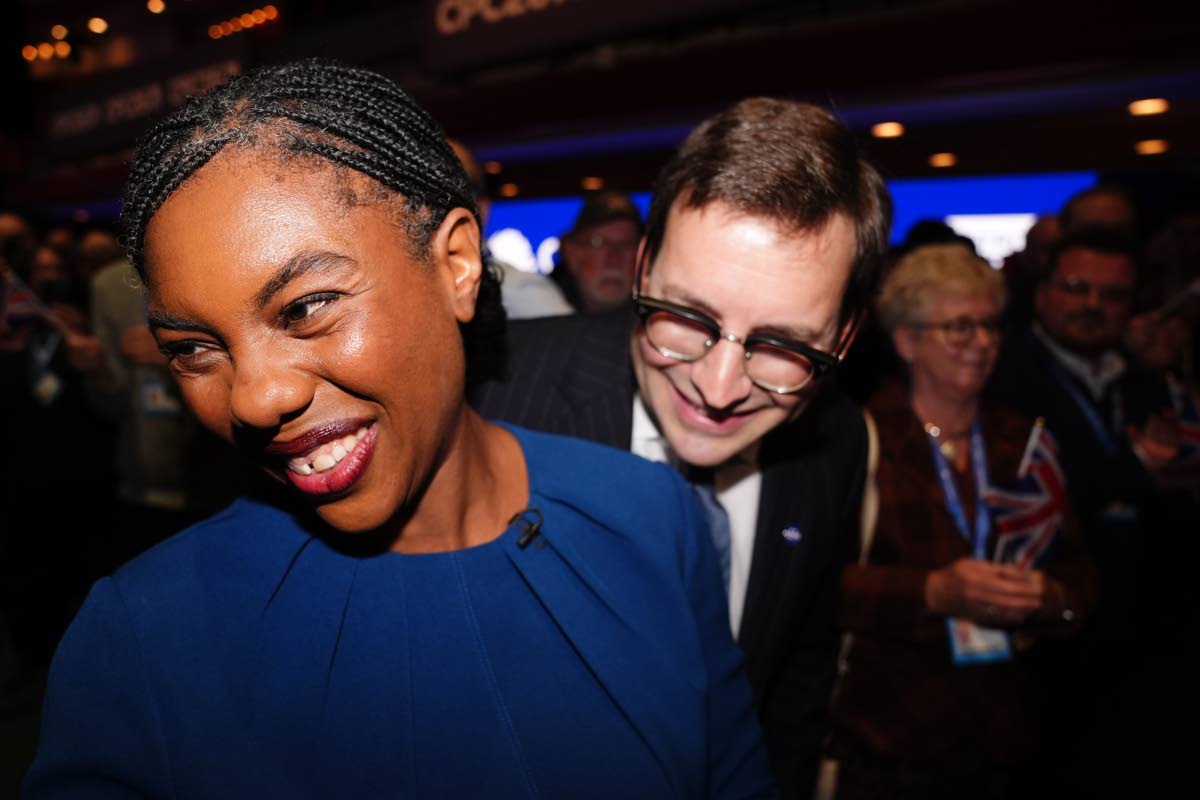 Conservative Party leader Kemi Badenoch with her husband, Hamish Badenoch, leave the stage after delivering her keynote speech during the Conservative Party conference at the International Convention Centre, Birmingham, England, Wednesday, Oct. 7, 2026. Photo - Jacob King
As twilight draws closer on 2026’s edition of Black History Month, I’ve had time for some degree of reflection. Don’t worry, I’m not hitting you with an early resolution list or any other personal thoughts on how this cluster crap of a year has gone. I’ll spare you that, at least until January.
As most of us in the UK are aware, October is a month that usually sees an uptick in activities geared towards the recognition of black people and their contribution to Britain’s past, its present, and its future. At my son’s primary school, this mixed cohort has done projects on Benjamin Zephaniah, Mary Seacole, Florence Nightingale, and an assortment of local community heroes. (In case you’re interested, my son’s choice was his football coach, Kieron Wilson.)
If there is one thing we have in the black community, and I am using the term loosely, it is an embarrassment of riches. We have some of the most talented, inspirational and mind-bendingly brilliant people who fall under that wide umbrella.
For anyone who has graciously read any of my offerings in this column over the years, you might spot my personal favourites. Dripping between political commentary will be my open admiration for Mia Mottley, the prime minister of Barbados. A straight-talking, searingly intelligent woman, she is the leader of a political movement making waves across the globe.
My thoughts on the irrepressible Diane Abbott are clearly on record. You don’t get to be one of Britain’s longest-serving parliamentarians and navigate the absolute hellscape that is Britain’s politics, media, and commentariat without being a certified badass.
Now, there’s another high-profile black woman politician that I often mention on these pages. I think it would be fair to say, not quite in the same complimentary spirit in which I might speak of the previous two honourable ladies. That’s right, Kemi Badenoch.
I don’t wish to re-plough old ground here, but my criticism of the leader of His Majesty’s Official Opposition has been frequent and, to my mind, at least, it has been fair.
Perhaps it’s the fact that we attended the same university, albeit at different times (shout out to the University of Sussex). Perhaps it is the fact that she is an unabashed Conservative politician. Maybe it’s the uninspiring braids. But, perhaps, more than all of that, it is the fact that one of Britain’s brightest voices, smartest women and shrewdest political campaigners loudly advocates for things that would not feel foreign coming from the lips of Reform’s Nigel Farage.
Declaring war on “woke” culture, dismissing calls for reparations, siding with draconian immigration policies without any acknowledgement of the global context and Britain’s role in it. I mean, if you consider that our esteemed opposition leader was born Olukemi Olufunto Adegoke but seems to want to shed that association, publicly at least, it unlocks a special ire on my part.
I have now reconsidered this position. Not that I’m backtracking on everything I’ve just said. Absolutely not. I stand by every single word of my previous pieces, but I think criticism also needs to come with context. There needs to be a reframing of these thoughts in the fashion that I’ve often asked of people on the opposite side of my political thinking: try looking at the issue through fresh eyes.
The black community is not a monolith. Our politics are not all the same. I think they should be, because humanity needs to underscore every single political point that is made, but this is also not the real world. Politicians from both sides of the aisle have a right, nay, an obligation, to present their perspective in as robust and vocal a fashion as they deem necessary.
Kemi Badenoch is a perfect example of this. I might not like what she says, but her ability to articulate her position, score meaningful points at the dispatch box, and navigate a frankly hostile political system with her head held high and without compromising her beliefs, is something that should be admired.
She’s the leader of the Conservative Party, the first black woman to hold this position. She wasn’t gifted this high office. She scrapped, manoeuvred and powerfully positioned herself to defeat both James Cleverly and Robert Jenrick during the hard-fought leadership campaign.
Her victory was so commanding that Jenrick is now a member of Reform and Cleverly is weighing his options for running as London’s mayor. Nothing like a little humbling at the hands of a black woman to make things feel a little better.
Balancing motherhood and personal relationships with being one of Britain’s most high-profile politicians must be difficult for Kemi Badenoch, but there are never any public cries of “woe is me”, complaints that “they’re being mean to me”, or political whining of any sort. Badenoch simply rolls up her sleeves and gets on with it. I won’t use clichéd Margaret Thatcher references here, but you get the general idea.
Her politics and those of others might not be for me, but the tenacity and vigour with which she conducts herself are 100 per cent. The overarching lesson for me, and one that I would like to share, is that we are allowed to be different. We are allowed to see the world differently. My criticism of a position is honestly held, and I’m assuming the same is true in her case as well.
Genuinely believing that her vision for Britain will serve everyone is something to reflect on, even if it’s not something that I can personally support. And that’s okay. We can acknowledge intellect, hard work and conviction while still hoping and praying that they would be used differently.
Perhaps Badenoch, in later years, will come to see that kinder, more caring politics will serve all our needs. But the truth is that she will more likely become further entrenched in her position. And, for those who wholeheartedly back her on that journey, this is great news.
So, as we celebrate those whose achievements have shaped British life, remember that we can be many things, but, above all, we’re always brilliant.
Amina Taylor is a journalist and broadcaster. She is the former editor of ‘Pride’ magazine and works as a producer, presenter and correspondent with Press TV in London.