Cuba’s economic, humanitarian crisis ‘deeply troubling’ – Terrelonge
Loading article...
-
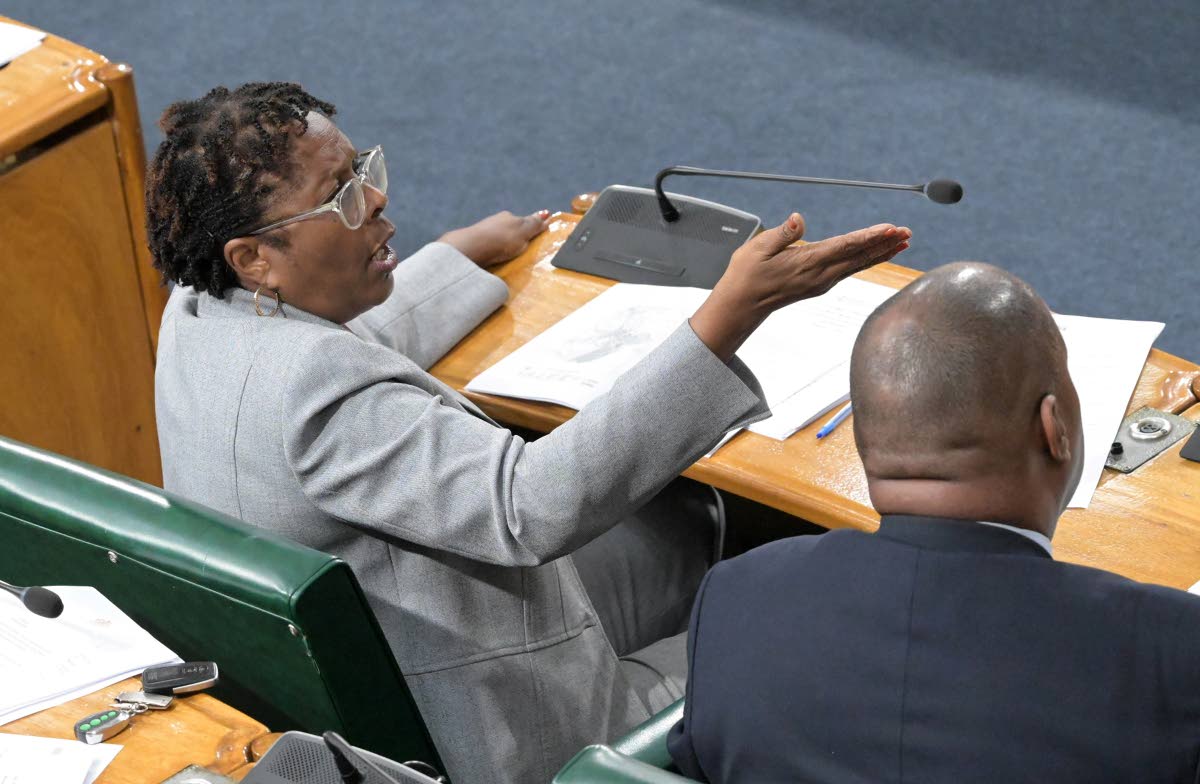 Angela Brown-Burke, deputy leader of Opposition business in the House of Representatives. Photo - File
-
Angela Brown-Burke, deputy leader of Opposition business in the House of Representatives. Photo - File
-
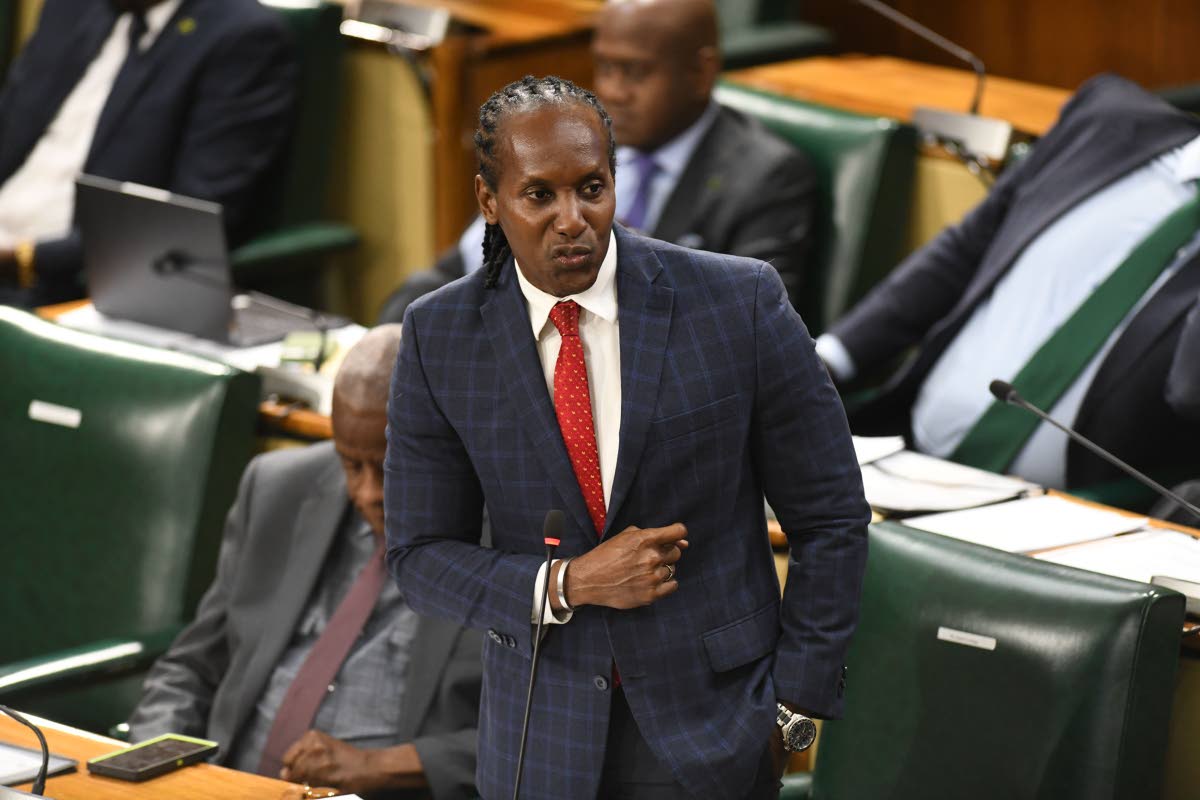 Alando Terrelonge, state minister in the Ministry of Foreign Affairs and Foreign Trade. Photo - File
One day after the Government declared its opposition to the 66-year-old economic embargo imposed by the United States (US) on Cuba, Jamaican officials at the United Nations (UN) yesterday abstained from a General Assembly vote on a resolution condemning the decades-long blockade.
Jamaica’s abstention marks a significant shift in the country’s long-standing position on the issue.
Germany, Italy and Latvia were among the 25 countries that abstained.
Piloting a motion on the “economic and humanitarian situation in Cuba” in the House of Representatives on Tuesday, State Minister in the Ministry of Foreign Affairs and Foreign Trade Alando Terrelonge said Jamaica, as a small state, believed in multilateralism with the UN Charter at its centre.
“In that context, we could not support a unilaterally imposed blockade,” Terrelonge declared.
However, Foreign Affairs Minister Kamina Johnson Smith, in defending the Government’s decision to abstain in the UN vote yesterday, acknowledged that it represented a shift in policy.
“We have been reflecting on this issue for some time, as it is a shift in policy,” she said during yesterday’s post-Cabinet press briefing at Jamaica House in St Andrew.
During Tuesday’s parliamentary debate, Terrelonge reminded his colleagues that Jamaica had, for many years, advocated in various international fora for the removal of the US embargo against Cuba, consistent with its long-standing commitment to sovereignty, territorial integrity and peaceful co-existence.
“Our position has always been informed by our friendship with the Cuban people and our concern for their well-being, and it continues to be,” he said, describing the economic and humanitarian circumstances facing Cuba as “deeply troubling”.
He said shortages of food, medicines, energy and other essential goods and services continued to place considerable strain on daily life in Cuba.
Terrelonge also called for constructive dialogue between Washington and Havana, saying Jamaica remained hopeful that engagement grounded in mutual respect could help ease economic restrictions, rebuild trust, and open new avenues for cooperation.
The resolution, which was passed, supports constructive engagement between Cuba and the US, grounded in mutual respect and peaceful dialogue. It calls for efforts to reduce economic restrictions and other barriers to international trade, finance and investment, while facilitating Cuba’s progressive integration into the international economic system rather than its isolation under a blockade.
In her contribution to the debate, Dr Angela Brown-Burke, deputy leader of Opposition business in the House of Representatives, described the US blockade on Cuba as illegal and immoral.
She argued that the overwhelming majority of nations had voted annually to lift the sanctions.
“The world recognises it for what it is. Collective punishment on a population, which goes against the very international standard, every international standard, and is a violation of the human rights of Cubans,” she said, adding that “it is therefore illegal, immoral and undesirable”.
edmond.campbell@gleanerjm.com