Earth Today | Public participation a must to overcome environmental woes
Loading article...
-
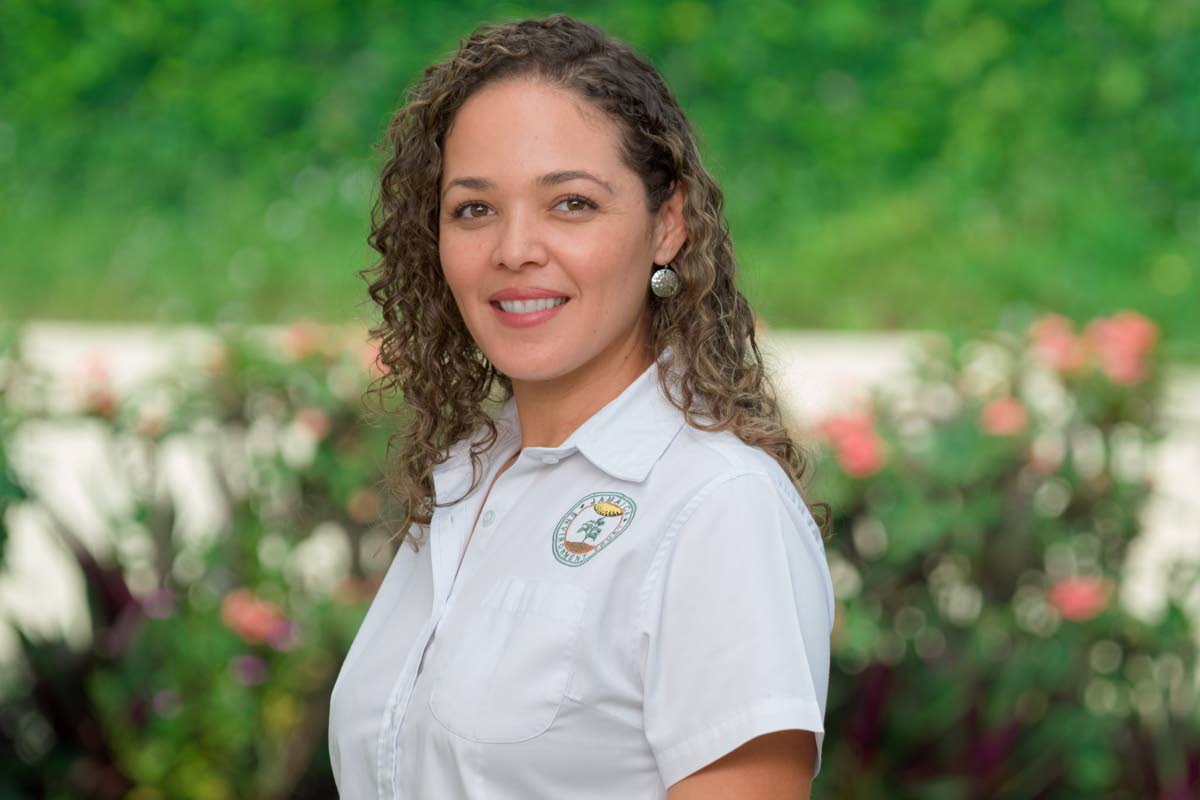 Dr Theresa Rodriguez-Moodie
-
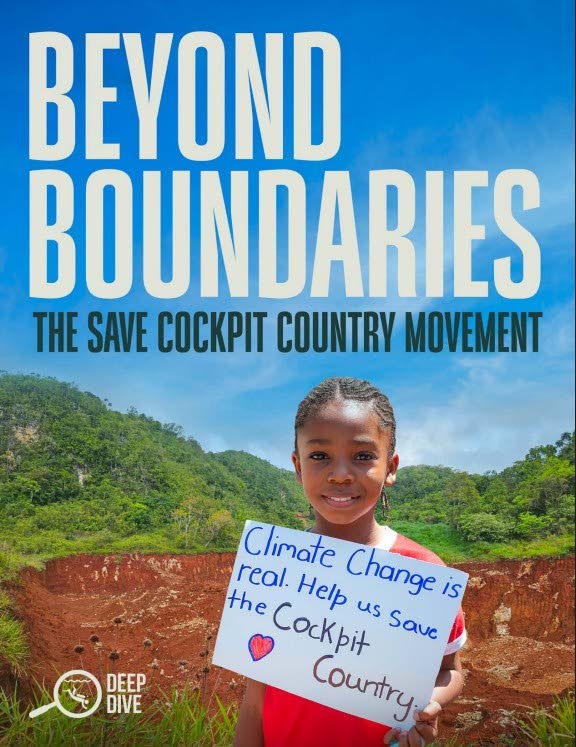 The cover of the detailed ‘Beyond Boundaries’ publication.
PUBLIC PARTICIPATION has been highlighted as a prerequisite and core element of the environmental rule of law necessary to achieve resilient economies and societies that leave no one behind.
According to a United Nations Environment Programme (UNEP) report published last month, the involvement of all stakeholders in this just transition “ can both build political buy-in and deepen understanding of the needs and interests of affected individuals and groups”. And, it said, failure to consider the needs of those affected “can undermine the political stability of the transition”.
“ Public participation must go beyond pro forma consultation. Meaningful engagement needs to begin early in the policy or project process, and take into account local challenges, including language, literacy and digital access,” noted the report, titled No Transition Without Justice: Strengthening Environmental Rule of Law for People and Planet.
Further, it said public participation must be accompanied by access to information, and the tools to make sense of the information and to apply it.
“This is particularly important in the context of just transition, where decisions rely on diverse types of evidence, from economic studies and financial analyses to environmental and social impact assessments. Simply making the raw data publicly available is not sufficient; it must be accessible and understandable to stakeholders and affected communities, and perceived as legitimate and trustworthy,” the report maintained.
In Jamaica, local environmental stakeholders have been seeking to address public participation in decision-making about the environment. Only last month, the Jamaica Environment Trust (JET) and partners hosted the Now More Than Ever Summit to “re-energise environmental and social justice movements”.
In commenting on the event, Dr Theresa Rodriguez-Moodie, chief executive officer for JET, said it had emerged from their documentation of the Save Cockpit Country Movement, “including the conversations that informed the 2025 publication Beyond Boundaries: Save Cockpit Country Movement”.
“As highlighted in that publication, while the protection of a section of Cockpit Country in 2022 was an important milestone, it also underscored that significant work remains to strengthen environmental governance, public participation, community rights, and the long-term stewardship of Jamaica’s natural resources,” she explained.
“The summit was not a public event but a facilitated convening that brought together just under 100 environmental and social justice advocates, community leaders, practitioners, academics, and allies from across Jamaica to reflect on lessons from past movements, build relationships across generations and sectors, and explore shared challenges facing environmental and social justice work today,” she added.
The JET boss noted that while the discussions, priorities, and potential next steps are still being “collectively considered by participants”, the summit had “reaffirmed the value of creating spaces where people working across different environmental and social justice issues can reconnect, learn from one another, and strengthen relationships”.
The UNEP report has itself flagged this and other benefits of public participation.
“Transition policies and projects should view stakeholders not as obstacles to overcome, but as active partners and sources of knowledge and expertise. Involving a diverse range of stakeholders, particularly marginalised communities, can lead to more successful and effective transition policies and practices by fostering innovation, building grassroots support, and ensuring that measures are responsive to local contexts,” it said.
pwr.gleaner@gmail.com