Japan emerging as new frontier for J’can tech talent - UTech student eyes full-time role in Japan after standout AI internship
Loading article...
-
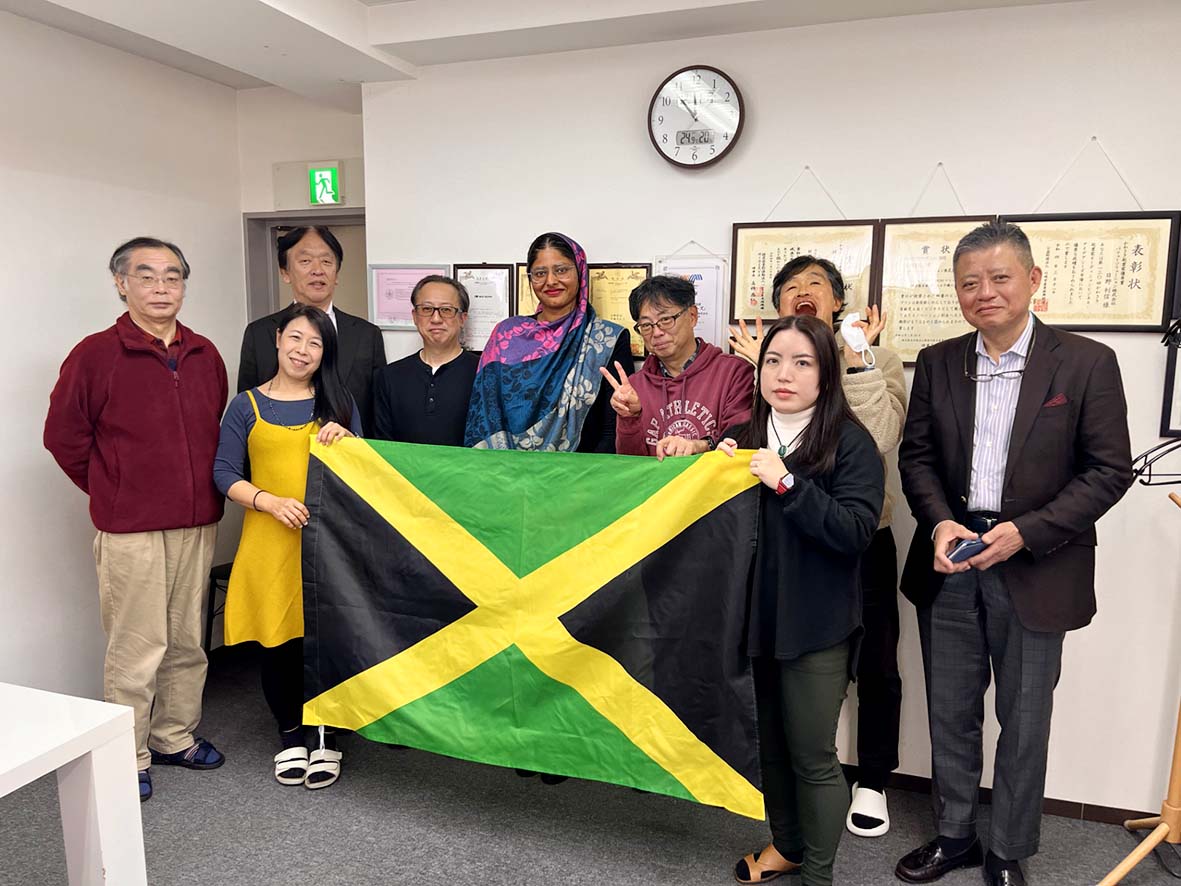
Areeba Zafar (centre), a student of The University of Technology, Jamaica, flanked by her Value Solutions in Japan colleagues.
Contributed photos
-
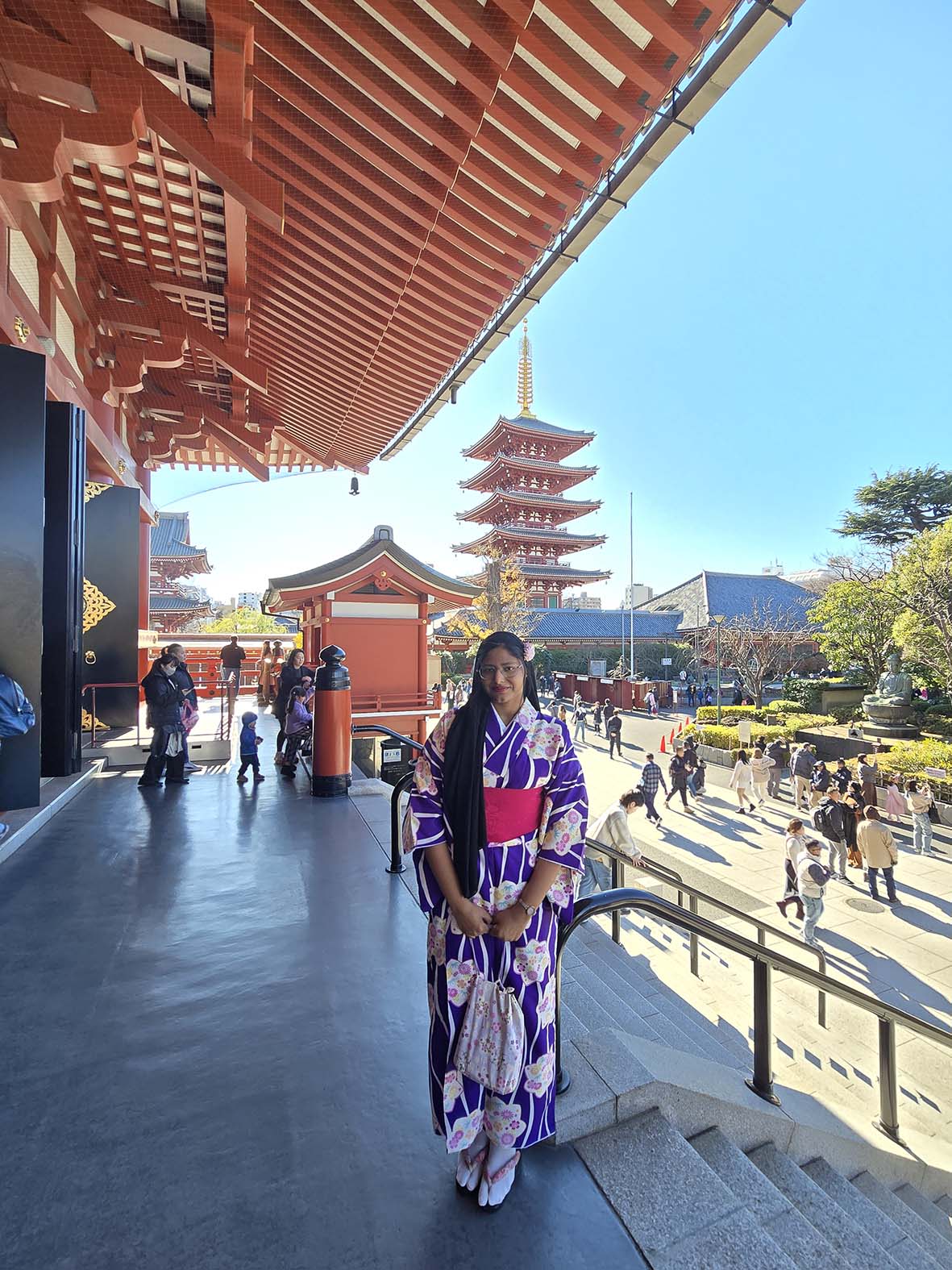
Areeba Zafar dressed in traditional Japanese kimono during a cultural outing to Akihabara in Japan.
-
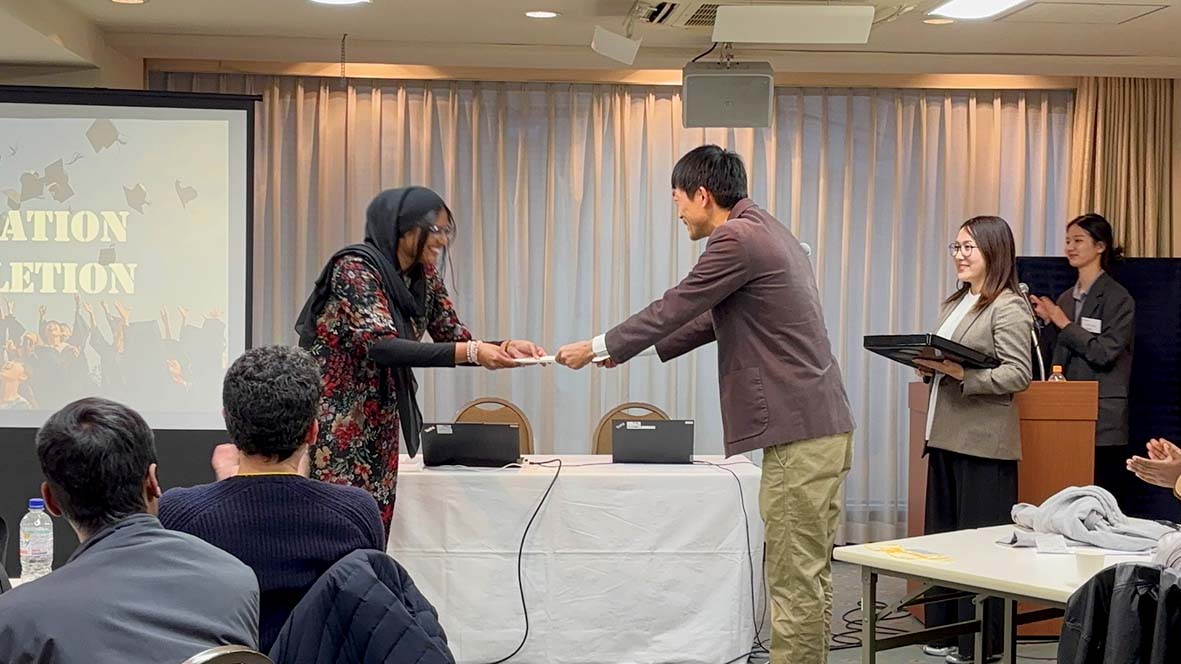
Areeba Zafar receiving an award from one of a programme representative in Japan.
Japan emerging as new frontier for J’can tech talent
UTech student eyes full-time role in Japan after standout AI internship
Karen Madden/Gleaner Writer
For nearly three decades, Jamaicans have been travelling to Japan, mainly for teaching jobs.
There are almost 1,000 Jamaicans residing in Japan, the majority through the Japan Exchange Teaching (JET) Programme, a government initiative that accepts teachers from native English-speaking countries, such as Jamaica.
But according to Areeba Zafar, a final-year student in computer science at the University of Technology, Jamaica (UTech), a new area could be opening up more avenues for Jamaicans in the Asian country.
Zafar recently returned to Jamaica after a fully funded internship run by Japan's Ministry of Economy, Trade and Industry (METI), under their Internships in Japan for Artificial Intelligence and Technology programme.
“Out of more than 14,000 applicants globally, only 50 were selected to travel to Japan. I placed in the S-Rank (top 0.4%) and was the only participant from Jamaica, the only one from the Caribbean, and the only female from the Latin America and Caribbean region,” Zafar told The Gleaner. “I travelled to Japan in November 2025 and worked at Value Solutions Company Limited on real production software.”
But she believes opportunities like hers could be flying under the proverbial radar.
“I would love to help change that, and I think this could open doors for so many other young women and men who don't yet see themselves in this space,” she said, hoping that her experience would inspire more Jamaican girls to apply for such opportunities.
Jamaican Lij Tafari Smith, who relocated to Japan in 2024 under the JET programme, now works as a specialist in a tertiary institution, training educators as well as teaching specialised courses under the International English Language Testing System.
While Jamaicans have traditionally migrated to countries with large diaspora communities such as the United States, the United Kingdom, and Canada, adapting to life in Japan may prove more challenging due to its smaller Jamaican diaspora and significant cultural differences.
“I would say Japan is a very different country from Jamaica. There are not many similarities, so usually people would be coming into a totally new environment with many firsts. I think living in Japan is something that I’d say takes some time getting used to. Of course, it’s a case-by-case [experience], because I was able to get used to it after a month or so, but the first two weeks were pretty difficult because I had to be thinking about so many unspoken rules. I think that’s where living in Japan becomes interesting and challenging,” Smith told The Gleaner.
A combination of strict social norms, language barriers, and distinct cultural practices can make living in Japan challenging, he explained.
“If you’re someone who thrives off doing your own thing, it might be challenging sometimes, because I am still an individual while working here and living here, but I cannot take away the fact that a big part of living in Japan is being able to read the room and also to maintain harmony, even in situations where you don’t agree or you think it doesn’t make sense.”
Following her two-month immersion, Zafar pointed to employment opportunities.
“The METI Global South Internship Programme is designed to bring talented young professionals to Japan as part of a global workforce initiative. Jamaica is among the countries invited to participate annually. Following the internship, a select number of participants are invited to return to Japan as full-time staff members,” she told The Gleaner.
Zafar said she is in discussions with Value Solutions regarding a full-time role.
“The internship itself is fully funded, covering round-trip flights, housing, and daily transportation between work and accommodation, with an additional allowance of roughly ¥3,000 (approximately J$3,000) per day provided for meals and personal activities,” she shared.
More information on the internship programme can be found at: https://japaninternshipglobal.go.jp/about-en
karen.madden@gleanerjm.com