From Jamaica to Netflix - How Ni’Cola Mitchell built a global movement empowering 50,000 girls
Loading article...
-
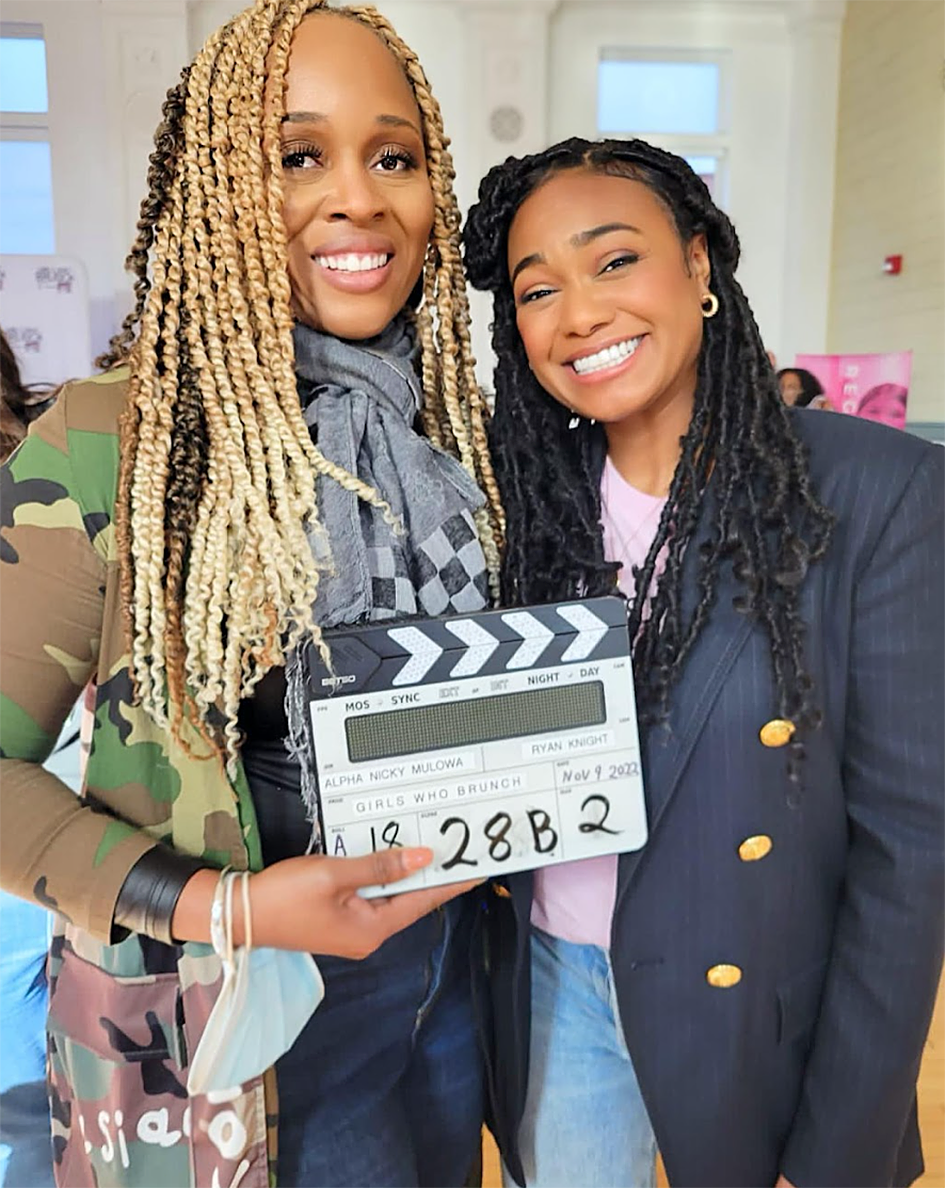
Dr Ni'Cola Mitchell shares a moment with actress Tatyana Ali on the set of ‘Giving Hope: The Ni’Cola Mitchell Story’, the Lifetime and Netflix biopic inspired by Mitchell’s life and the impact of her Girls Who Brunch movement.
-
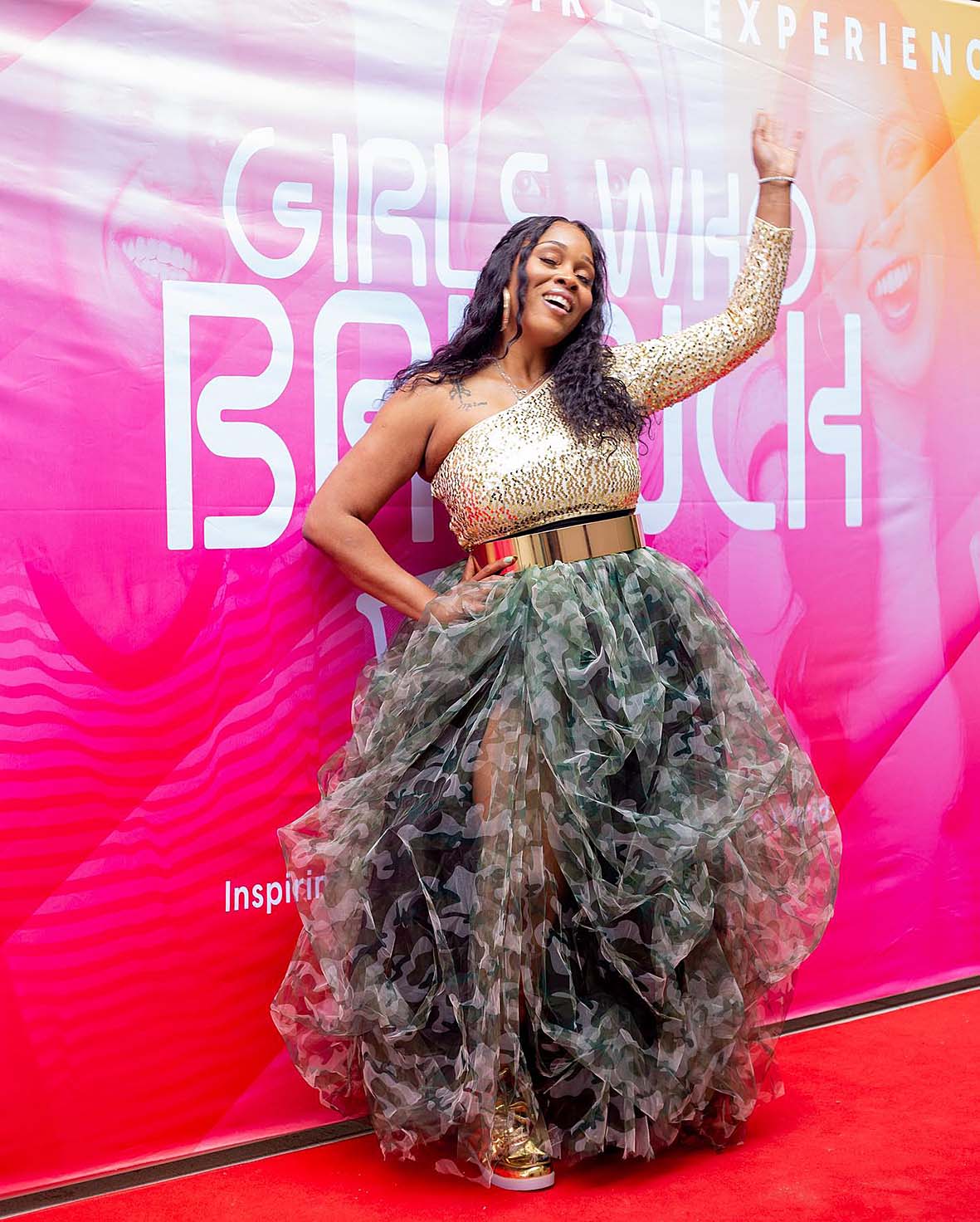
Dr Ni'Cola Mitchell poses on the red carpet at a Girls Who Brunch event, the nationally recognised empowerment movement she founded to inspire and uplift young girls through mentorship, leadership and wellness initiatives. Contributed photos
-
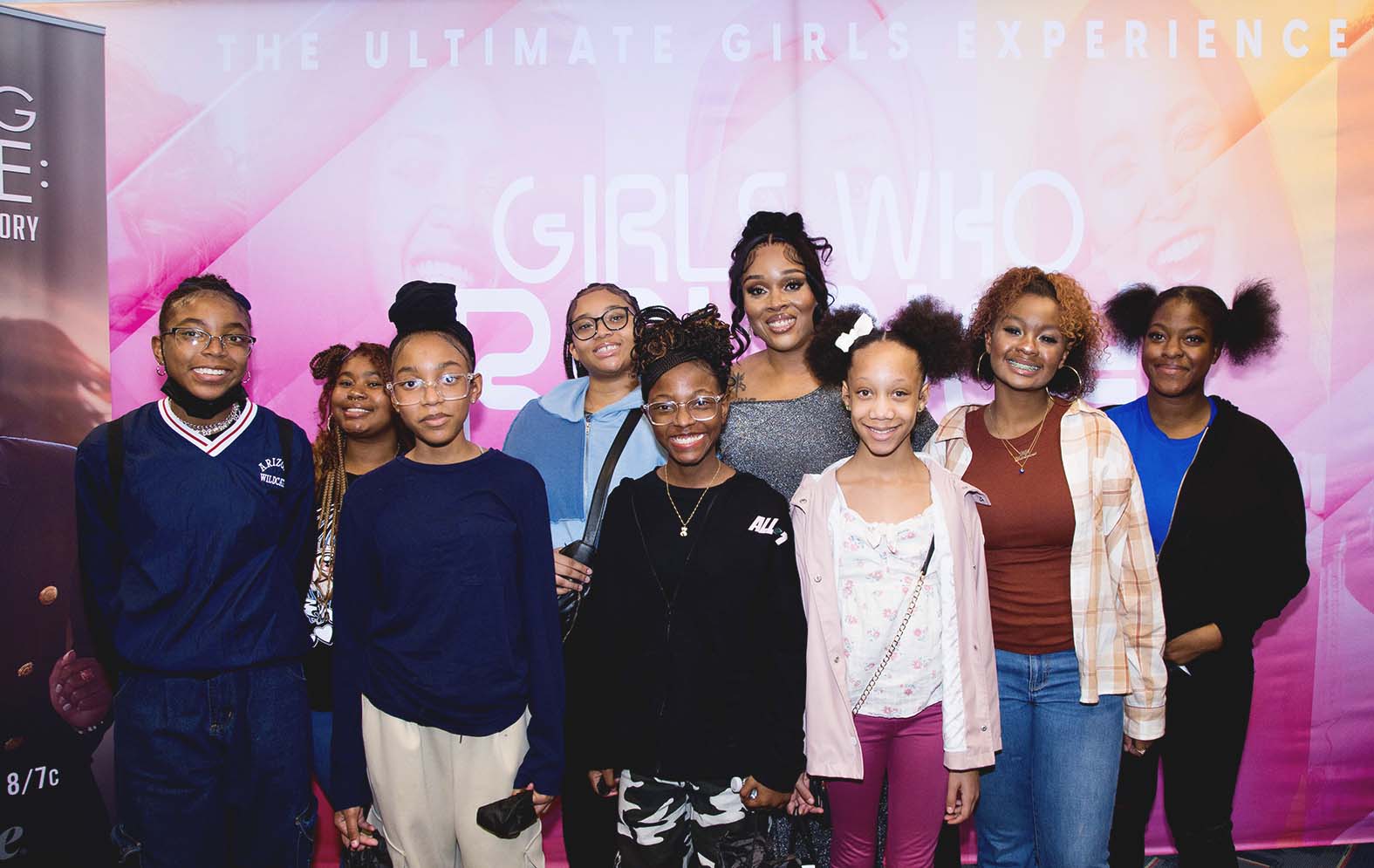
Dr Ni'Cola Mitchell poses with attendees at a Girls Who Brunch empowerment event, part of the movement’s mission to inspire confidence, leadership and purpose in young girls across the United States and beyond.
-
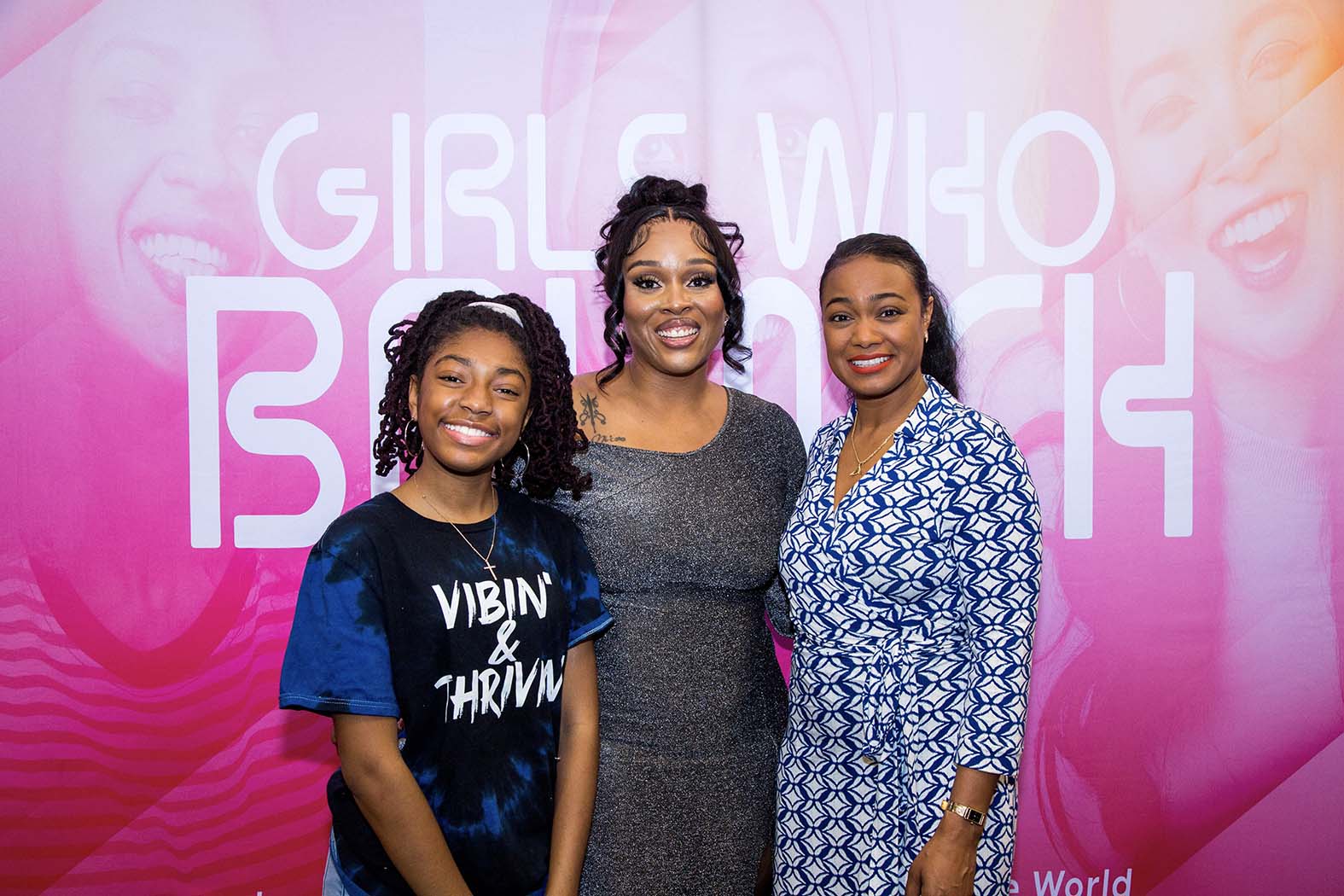
Dr Ni'Cola Mitchell and actress Tatyana Ali pose with a young attendee at a Girls Who Brunch empowerment event.
Jamaica-born entrepreneur, philanthropist and global youth advocate Dr Ni’Cola Mitchell has transformed personal adversity into one of the most impactful girls’ empowerment movements in North America.
From humble beginnings in Jamaica to having her life story adapted into a film and featured on Netflix, Mitchell’s journey is rooted in resilience, faith, healing and purpose.
As the founder of Girls Who Brunch Tour, Mitchell has impacted more than 50,000 girls through mentorship programmes, leadership initiatives, empowerment events and safe spaces designed to uplift young women from underserved communities.
But, long before accolades from Forbes, L'Oréal Paris and the United States Congress, there was a young Jamaican girl learning the meaning of sacrifice, survival and determination.
“Growing up in Jamaica, my story really begins with sacrifice and vision,” Mitchell said.
Though she migrated at a young age, the values instilled during her early years on the island remained foundational to who she would become. Watching her mother leave Jamaica to create better opportunities for the family deeply shaped her understanding of love and resilience.
“One of the earliest things I understood was what it meant for my mother to leave home and go to the States to create a better life for us. That kind of love doesn’t feel soft in the moment, it feels like distance. But, as I grew older, I realised it was one of the strongest forms of love there is,” she said.
Mitchell credits her upbringing and the strong women around her with teaching her discipline, hard work and perseverance.
“Back home, I was surrounded by elder sisters and family members who didn’t just talk about hard work, they lived it. I watched resilience. I watched people make something out of very little,” she said.
She said Jamaican culture also gave her a confidence that continues to guide her globally.
“There’s an unspoken belief that we are capable, resourceful and excellent, no matter where we go in the world. That mindset stayed with me long after I left the island,” she said.
Mitchell’s life story is marked by profound personal challenges, grief and survival. However, she said becoming a mother to her daughter, Destani, was one of the most defining moments of her life.
“When I had my daughter, everything sharpened for me. It stopped being just about survival and became about intention. I made a decision that the cycles I experienced would stop with me,” she said.
While many people describe adversity as one major life event, Mitchell said her transformation came through a series of difficult decisions and emotional breakthroughs.
“Resilience has looked like grieving while still leading, and smiling in rooms while privately carrying pain. Building opportunities for others while trying to heal pieces of myself at the same time,” she said.
Mitchell explained that true resilience is not about never falling apart, but learning how to continue even after life breaks you.
“Sometimes resilience is simply surviving another day. Sometimes it’s choosing healing over bitterness,” she said.
DESIRE TO MENTOR
What began as a simple desire to mentor girls eventually evolved into a global movement.
“In the beginning, I simply wanted to create a platform where positive people could pour into girls the way I wished more people had poured into us growing up,” Mitchell explained.
At first, she focused more on the mission than public recognition. However, everything changed once she began openly sharing her own story of trauma, healing and perseverance.
“When I stopped hiding the difficult parts of my story, people connected to the mission differently. Mothers trusted us more. Girls saw themselves in me. Communities understood the heart behind the work,” she said.
That transparency fuelled extraordinary growth for Girls Who Brunch Tour, expanding the movement across cities and communities while impacting tens of thousands of girls.
“I think people are searching for realness now. When I allowed myself to be fully transparent, it gave other people permission to do the same,” she said.
Today, the organisation focuses on mentorship, confidence-building, leadership development, emotional wellness and creating safe spaces for young women to thrive.
Mitchell’s life story is now being shared with audiences worldwide through the film Giving Hope: The Ni’Cola Mitchell Story, starring Tatyana Ali.
Seeing her life portrayed on screen was an emotional experience.
“The film captures moments that deeply shaped me into the woman and global leader I am today. Some of those moments were painful and difficult to revisit because they were real experiences I actually lived through,” she said.
Mitchell served as an executive producer on the project and was deeply involved in shaping the film’s narrative to ensure authenticity.
“It actually took nine versions of the script before I finally said yes,” she revealed. “I wanted it to capture the heart, the emotions and the purpose behind the journey, not just dramatize my life.”
From recreating the original Girls Who Brunch Tour bags to incorporating authentic details from the organisation’s early years, Mitchell said accuracy mattered deeply to her.
“I wanted the girls who grew with this movement to watch the film and believe the story, because it genuinely reflected who we are,” she said.
Watching Ali portray her life brought a wave of emotions.
“There were moments of deep gratitude, vulnerability, and disbelief. Watching someone portray your journey reminds you that you survived it,” Mitchell said.
Mitchell’s impact has earned her recognition from major global organisations, including Forbes, L'Oréal Paris and the US Congress. Yet she views those honours as both validation and responsibility.
“The real reward has never been the accolades. The real reward is hearing a young girl say, ‘I feel seen now.’”
She believes recognition comes with a duty to continue serving authentically and intentionally.
“Once you have been given a platform, young girls are watching how you use it. The accolades are reminders that I have to continue doing the work with integrity,” she said.
Despite international success, Mitchell said she remains grounded by remembering her roots, her purpose and the people she serves.
“No matter how much success comes, I still remember the little girl from Jamaica who experienced hardship and uncertainty.”
Her faith, family values and connection to community continue to shape how she leads globally.
“My sister always used to say, ‘Turn your hand and make fashion.’ To me, that means creating something meaningful, no matter what situation you are in,” she said.
keisha.hill@gleanerjm.com