St Elizabeth farmer loses acres of pumpkin to black rot fungus
Loading article...
-
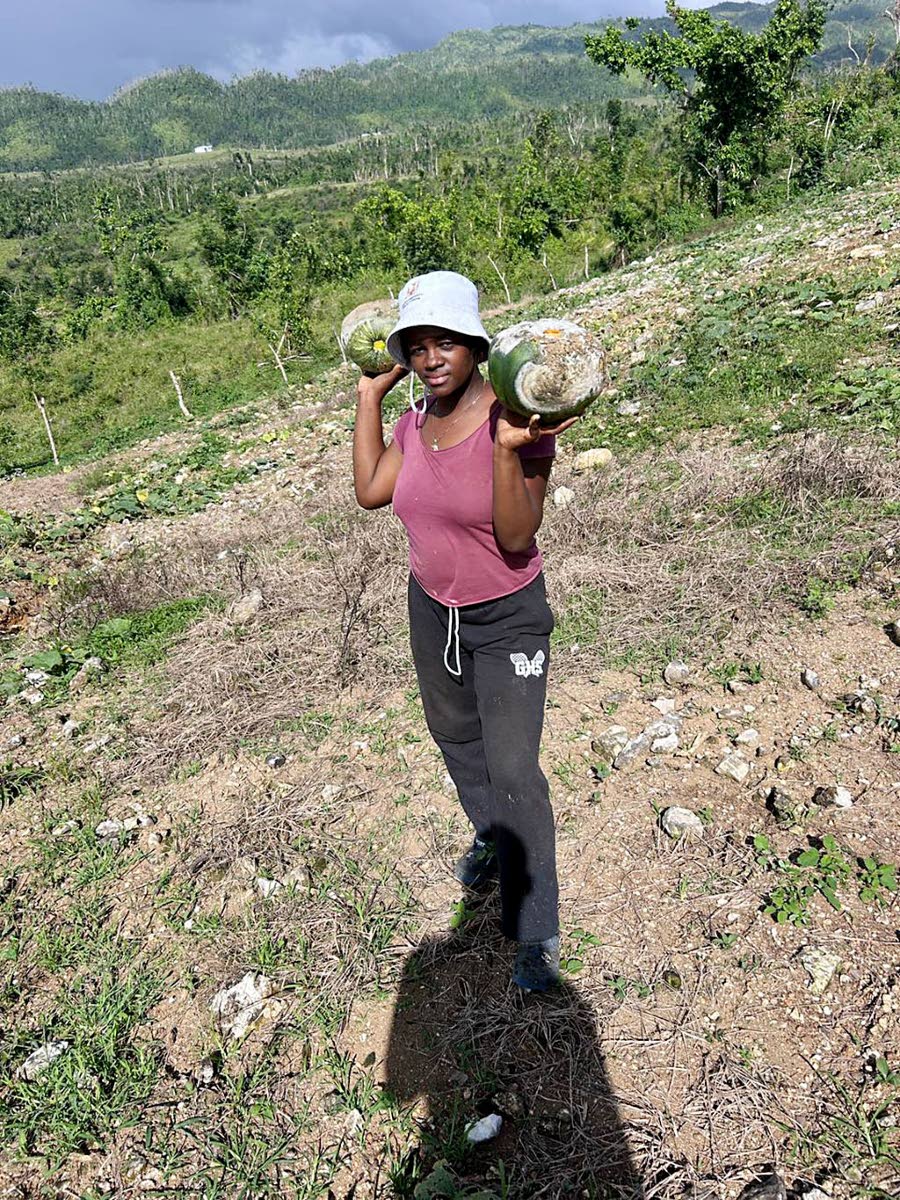 St Elizabeth farmer Sherka Graham has lost thousands of pounds of pumpkin to black rot.
-
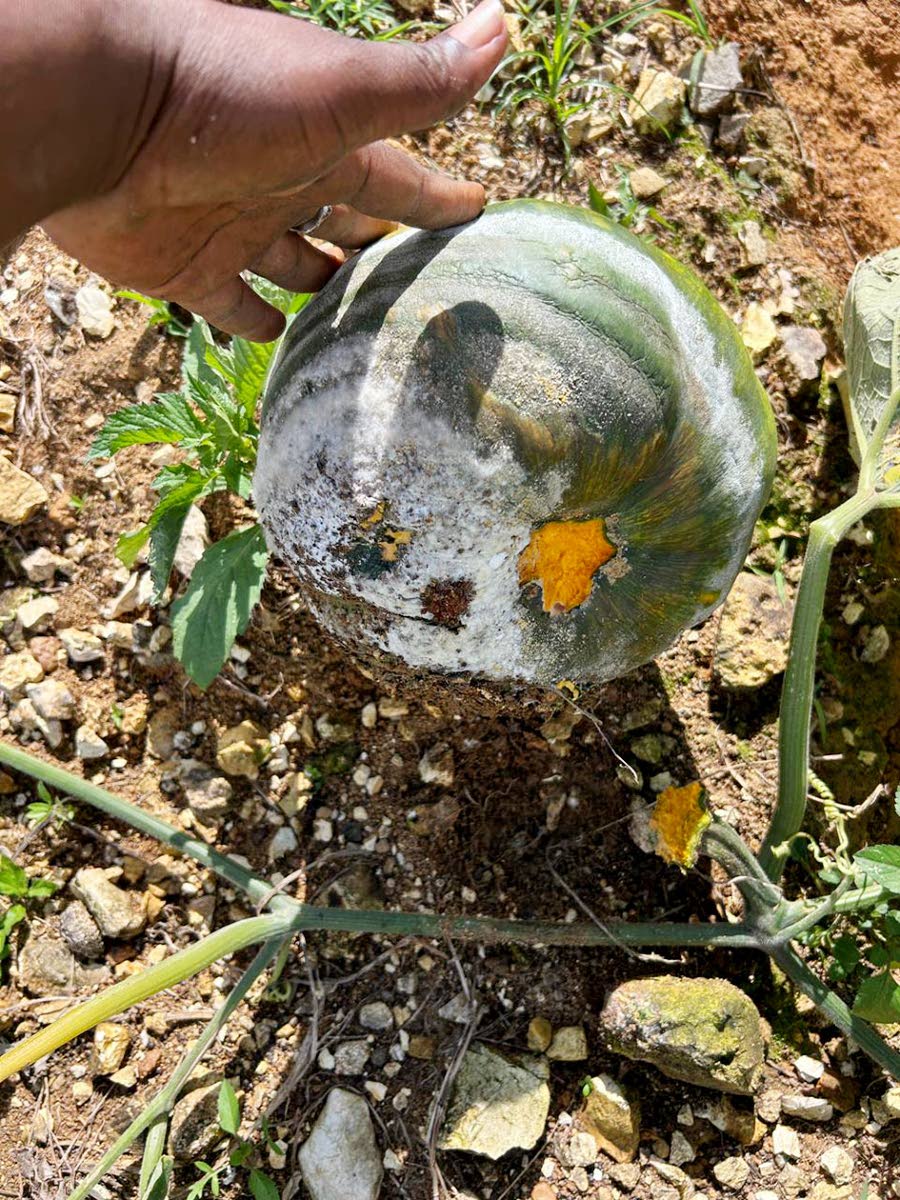 Black rot has destroyed Graham’s five-acre pumpkin crop.
-
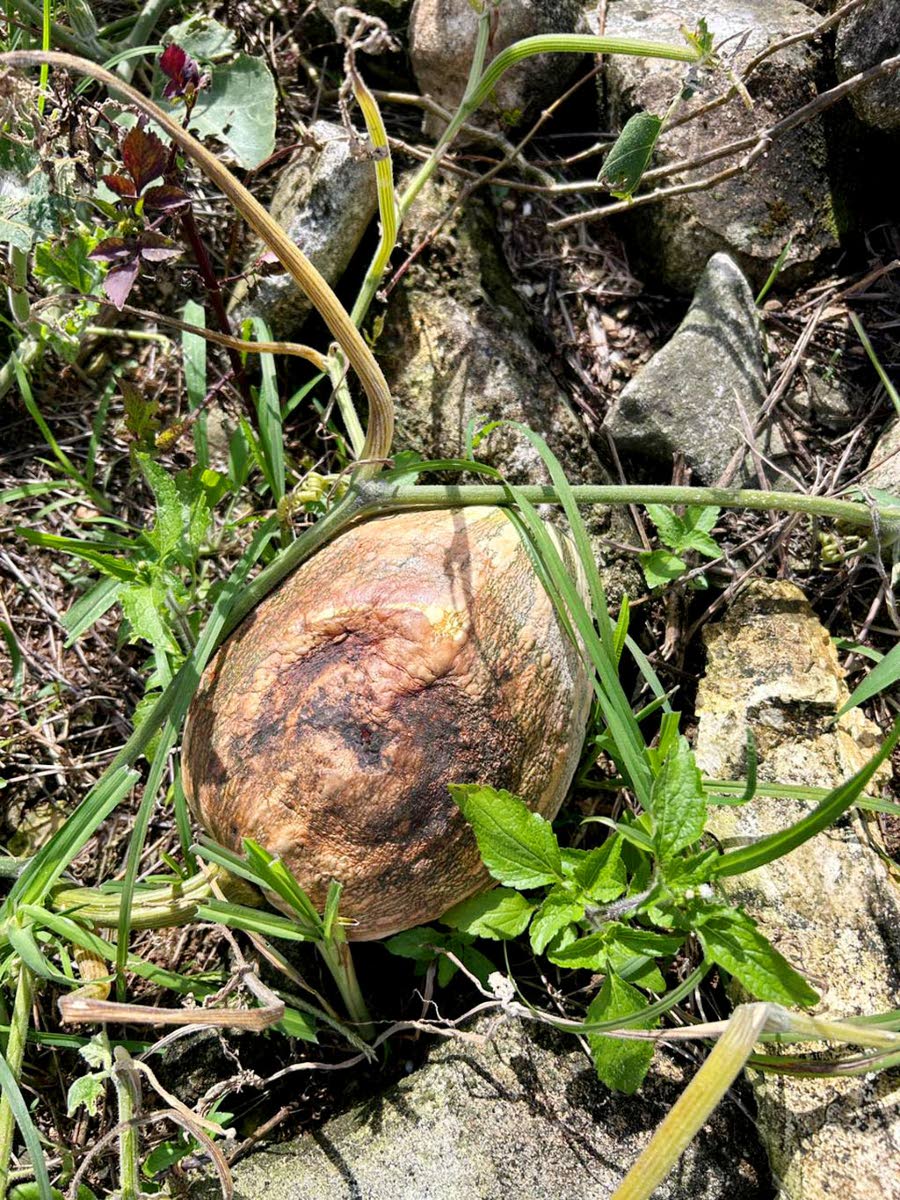 Black rot has destroyed Graham’s five-acre pumpkin crop.
Just months after losing her entire pumpkin crop to Hurricane Melissa, 30-year-old St Elizabeth farmer Sherka Graham is facing the same predicament once again.
This time, the culprit is a fungus, causing black rot to appear on the crop. It has destroyed the more than 8,000 pounds of pumpkin on her five-acre farm.
“Before they started to bear fruit, I realised that some of the vines are starting to dry up. Not the entire plant, but I was using fungicide to try and kill the fungus. But it seem as though the hurricane had left some residue in the soil, or we have some cold front, so it seems as though those are the issues,” Graham told The Gleaner.
Black rot on pumpkins is caused by the fungus Didymella bryoniae, and appears as sunken, water-soaked, or leathery black spots on the rind, often with small black fungal structures. It thrives in high humidity or wet conditions and causes rapid decay.
Graham, who has been farming for more than 15 years in New Market in the parish, said she has never experienced anything of this magnitude. She pointed to the level of rainfall that the island has been receiving this time of the year, which she attributed to climate change.
“I was thinking that probably the soil is wet, so when the pumpkin is down on the wet soil, then it would start to get soft. But then I realised that is not the issue, because even the ones that are on the stones, they are rotten as well,” she said.
DISCOURAGED
She stated that she spent more than $250,000 to plant the crop, and was expected to yield enough in profit from the harvest. But after experiencing so much loss in the space of four months, Graham is discouraged.
“When one person been losing so much back to back it’s not very easy, because it’s a lot of money spent here every time, and stuff like dat,” she said.
Her frustration is compounded by the fact that up to Tuesday, she has been unable to receive assistance from any state agency.
“When a farmer lose like this, keep on losing like this, I think there should be some form of assistance from the Government,” she told The Gleaner.
Mark Lee, the Rural Agricultural Development Authority (RADA) parish manager for St Elizabeth, said there have not been any widespread reports of black rot impacting pumpkins in the parish.
“Because of the situation with the significant rains and the moist conditions, you’re going to have fungal diseases like that popping up,” he said.
He added that farmers should apply fungicides preventatively.
“We would absolutely love it if our farmers reach out to us as soon as that problem arises, so that we can be very early on the scene,” he said.
He noted that there are 39,000 registered farmers in St Elizabeth who have all been impacted by the Category 5 hurricane that swept across the island in October last year.
Telling The Gleaner that there are only 14 extension officers serving these farmers, Lee urged them to reach out to RADA whenever they are faced with any issues on their farms.
“Since the recovery, we have officers with 2,000-plus farmers and we’re trying to get through to as many people as possible,” he said.
sashana.small@gleanerjm.com