Earth Today | Youth eye green economy
Loading article...
-
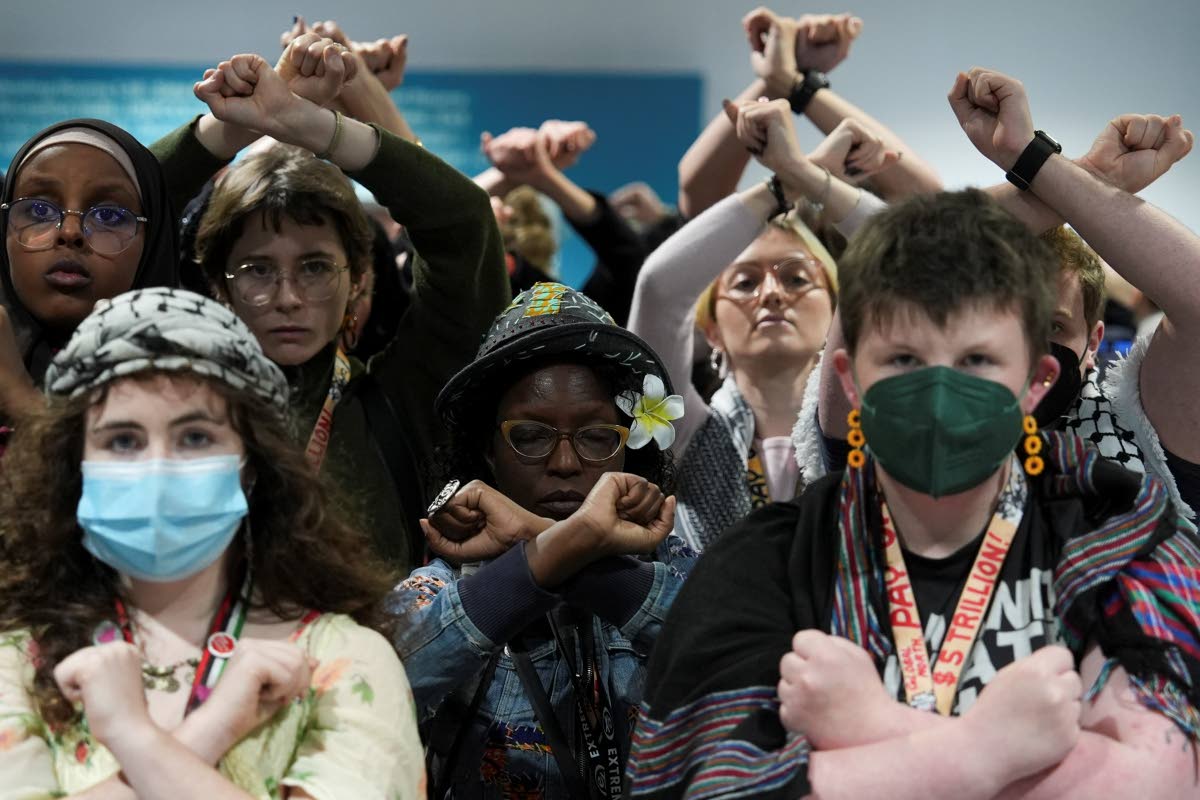 Activists demonstrate in silence, protesting a draft of a proposed deal for curbing climate change at the COP29 UN Climate Summit, Friday, November 22, 2024, in Baku, Azerbaijan.
-
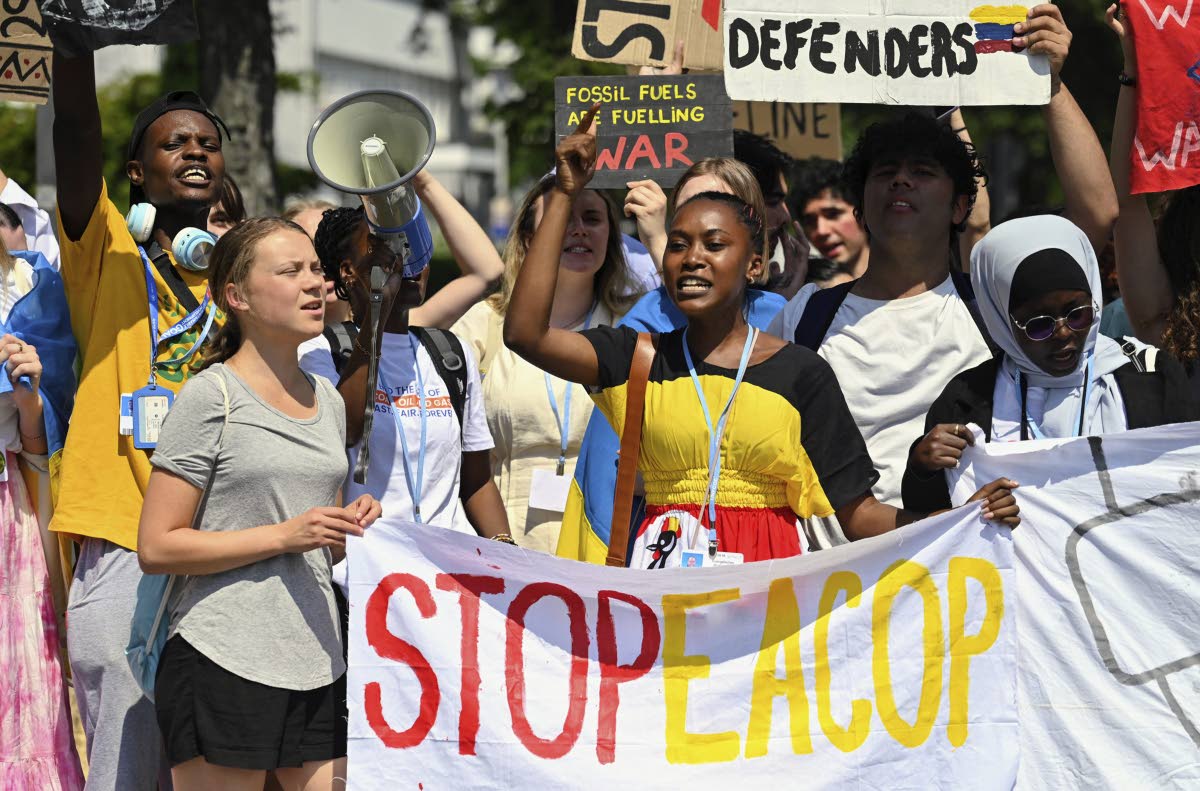 Patience Nabukalu, climate activist from Uganda (front centre) and Greta Thunberg (front left) attend a Fridays for Future protest rally in Bonn, Germany, Monday, June 12, 2023 against a planned oil pipeline in East Africa. The project, which has been criticised by climate change activists, would see oil transported in a new 1443 kilometre (896 miles) long pipeline from western Uganda through Tanzania to the Indian Ocean.
-
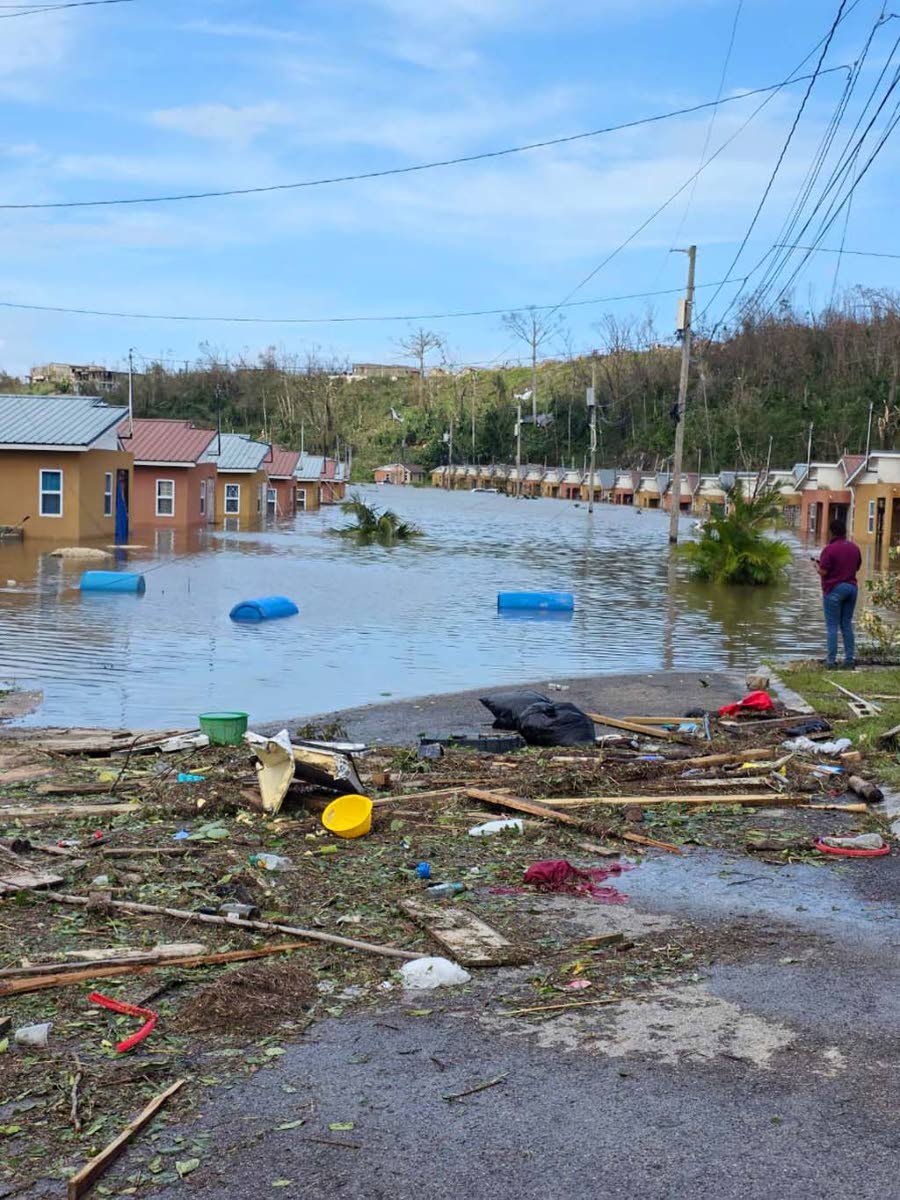 A section of Estuary in St James.
YOUNG PEOPLE have their eye on green jobs and are urging both policymakers and corporate leaders to foster an environment that is conducive to those pursuits.
This is according to a recent report published by the Capgemini Research Institute, in collaboration with the United Nations Children’s Fund and Generation Unlimited.
“ As the world transitions to a greener economy, young people will be essential stakeholders and agents of change. Today, young people worry about climate change, are disillusioned by the lack of action from business and political leaders, and do not feel listened to,” noted the report, which is titled Youth perspectives on climate: Preparing for a sustainable future.
“ However, youth are hopeful there is still time to drive meaningful change and want to share their ideas with decision-makers to inform climate policy and drive action,” it added.
“ They are also keen to build green skills and enter green fields. Policymakers and corporate leaders must harness these aspirations to accelerate the sustainability transition,” the report said further.
ACTIONS PROPOSED FOR POLICYMAKERS
Climate change, fuelled by the consumption of fossil fuels such as coal and oil, is a clear and present danger to Caribbean small island developing states which face impacts such as extreme hurricane events, the likes of which were experienced with the passage of Hurricane Melissa in Jamaica last October.
Among the actions proposed for policymakers in the report is to work alongside youth voices while integrating green skills into core education curricula through partnerships with education ministries, employers, and civil society. That way, green skills can be embedded into secondary, vocational, and higher education curricula.
“ These should include scarce skills such as those around environmental policy, climate technologies and sustainable energy, sustainable design, sustainable agriculture, and data analysis. Policymakers must also support teachers in strengthening their knowledge of and ability to teach green skills,” the report noted.
It also urged the democratisation of access to green learning opportunities in the Global South through enabling “a wide range of ecosystem partners to make education and training widely accessible, equitable, and inclusive”. It also suggested aligning climate goals with youth employment and education strategies.
“Y outh councils or advisory bodies should be consulted in the design, implementation, and evaluation of national climate strategies and green economy roadmaps – something that NGOs, including UNICEF, have long practiced,” said the report, which was informed by an online survey of 5,100 youth ages 16 to 24 years, across 21 countries in Africa, the Americas, Asia Pacific, and Europe.
The informants included 4,394 youth, ages 18 to 24, and 706 youth, ages 16 and 17 years old. Some 14 per cent of the sample were minors for which parental permissions were sought and secured from more than 700 parents.
TANGIBLE SUPPORT
As for corporate leaders, the report suggested that they co-design green pathways with youth.
“ This should ensure that career development programmes are relevant, aspirational, and inclusive. Corporations must advertise green jobs widely and offer support to educators in integrating required skills into curricula,” it explained.
This is in addition to the proposed increase in the ratio of youth securing green jobs “with their first five years of work”; and support for community-based green skills initiatives and investments in youth-led climate projects, entrepreneurship and volunteerism.
“ Today’s youth are deeply anxious about climate change but remain reassuringly hopeful about their power to shape a better future – if only those in positions of power and influence will listen to them. They understand the critical importance of green skills for career success and sustainable living, but are unsure of how to acquire them,” the report concluded.
“ Despite the barriers, young people around the world are determined to drive change. But they need tangible support. Policymakers and corporate leaders must act urgently to work alongside youth voices, integrate green skills into education, create equitable pathways to green jobs, and invest in youth-led solutions. By harnessing the passion and energy of younger generations, we can accelerate a just transition to a sustainable economy and secure a thriving planet for all,” it said.
pwr.gleaner@gmail.com