Breaking the silence
Loading article...
-
 Cast and crew of ‘Speak: Silence Kills’ and ‘Speak: The Aftermath’ pose for a photo during premiere night, celebrating the films’ powerful message of breaking the silence around abuse, mental health and the journey towards healing and restoration.
-
-
What happens when a young boy experiences sexual abuse, remains silent about it and eventually reaches a point of emotional devastation? And what happens to the family after the abuse is finally exposed?
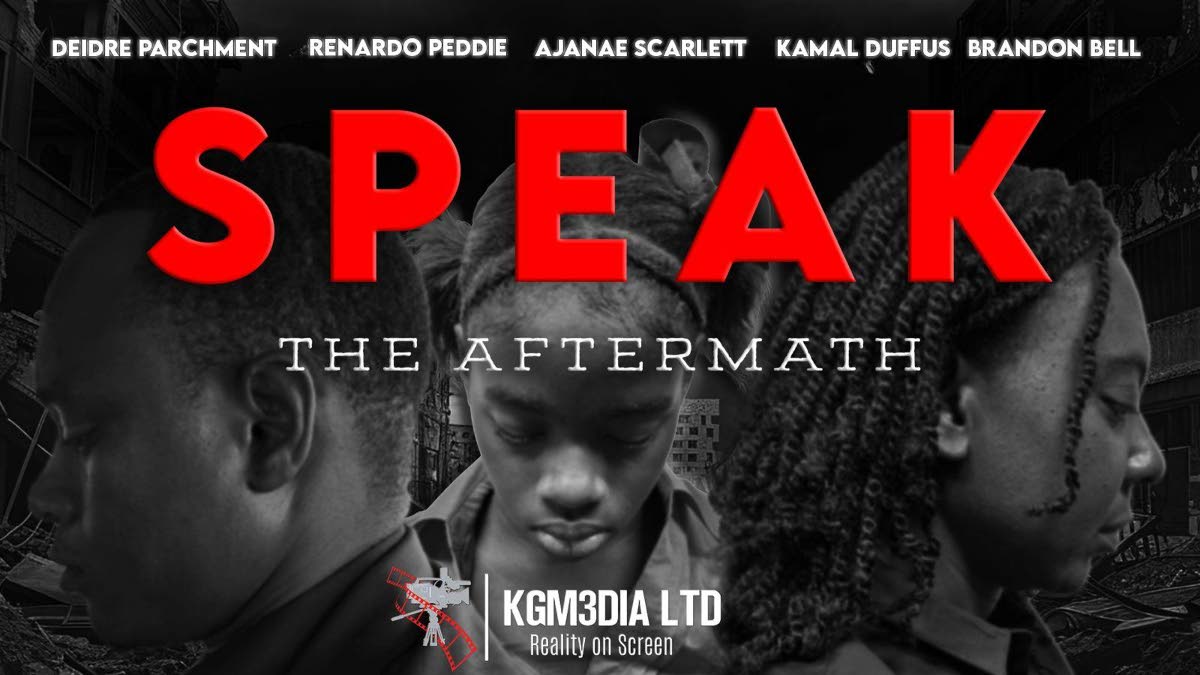
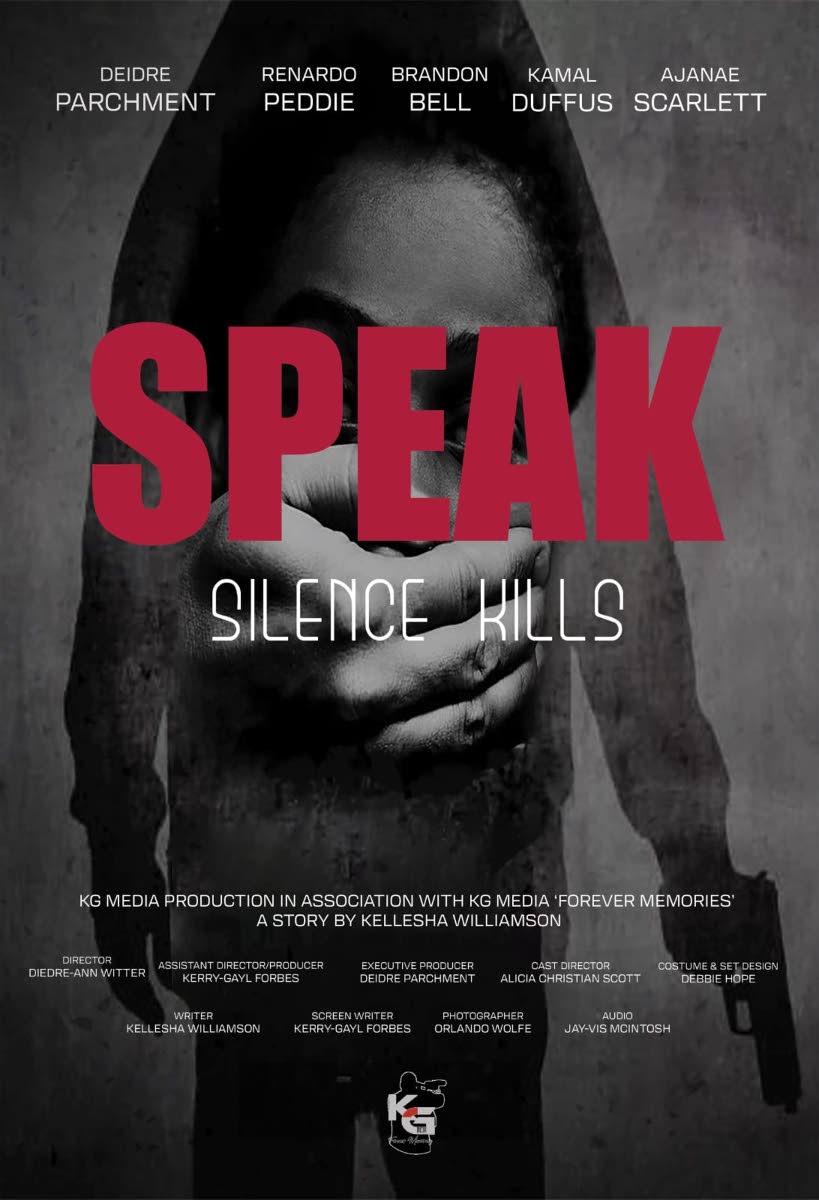
Those are the difficult questions at the heart of two Jamaican Christian films, Speak: Silence Kills and its sequel, Speak: The Aftermath.
Produced by KGM3dia, the films confront sexual abuse, mental health, trauma, family breakdown, healing and restoration while encouraging audiences to have conversations that are often avoided.
Co-producer Deidre Dwyer-Parchment said the two films are part of a larger mission to bring difficult experiences into the light and encourage people to seek help rather than suffer in silence.
The story began in 2011 as a stage play at Dwyer-Parchment’s church under the title Speak. When she and Kerry-Gayl Forbes later decided to establish KGM3dia and produce films based on real stories, they chose the play as their starting point.
“We recognised that there are topics that people shy away from, but we feel it is necessary to talk about these things, bringing them into the light as ‘Silence Kills’,” Dwyer-Parchment explained.
The decision resulted in Speak: Silence Kills, which follows a young boy who is sexually abused by a relative and chooses to remain silent. As the emotional impact of the abuse grows, his mental health deteriorates, eventually leading him to attempt to take his own life.
The follow-up, Speak: The Aftermath, moves beyond the abuse itself to examine what happens when the silence is broken and the consequences begin to affect the entire family.
Together, the films seek to show that abuse does not exist in isolation. It can affect victims, relatives, relationships, mental health and entire family systems.
Dwyer-Parchment said the films are intended to be more than stories on a screen. “This is more than a movie; it’s the beginning of a conversation that needs to be had,” she said.
That conversation is central to both films. Speak: Silence Kills focuses attention on the devastating consequences of keeping abuse and emotional struggles hidden, while The Aftermath explores the difficult road that follows, including family trauma, accountability, justice, forgiveness and healing.
The filmmakers also wanted to challenge the misconception that faith makes people immune to painful experiences. “We want people to understand that having faith does not make us immune to difficult experiences, but it can influence how we respond to them,” Dwyer-Parchment said.
The filmmakers, presenting these issues through a Christian perspective also highlights the responsibility of churches and faith communities to respond appropriately when people are hurting. “We recognise that, in most instances, there is also a spiritual component to these occurrences and, as a church, we need to play our part to intervene where possible through the provision of safe spaces and training,” she explained.
“Whether you are a victim or know someone who is, we want you to take that first step towards healing by speaking up,” Dwyer-Parchment added.
The message is reinforced through one of the title tracks from Speak: Silence Kills, Somebody Needs You to Speak, by JCAmp.
A particularly important part of the films’ message is the silence surrounding abuse and mental health struggles among boys and men. Dwyer-Parchment believes cultural expectations often teach males to suppress their emotions and ‘tough it out’, making it difficult for them to acknowledge when they are hurting.
“Culturally, our men are often taught not to speak and to simply ‘tough it out’,” she said.
The filmmakers want to challenge that mindset by encouraging parents, churches, communities and other institutions to create safe spaces where men can express vulnerability without fear of ridicule or judgement.
“We need to create safe spaces where men can talk about their struggles without being ridiculed, judged or made to feel less than a man. Real men cry, real men have feelings, and they should be allowed to express those feelings without being stigmatized,” Dwyer-Parchment said.
She believes the wider society also needs to reconsider the language used when responding to someone experiencing emotional difficulties. “We really need to change the question from ‘What’s wrong with you?’ to ‘What happened, and how can we walk with you through this?’”
That shift, she said, creates an opportunity to listen without judgement and encourages people to seek the emotional and professional support they may need. While Speak: Silence Kills examines the abuse and its immediate consequences, Speak: The Aftermath asks an equally important question: What happens next?
The filmmakers recognised that, once abuse is revealed, the pain does not simply disappear. “When abuse happens, it doesn’t affect only the victim; it can tear an entire family apart,” Dwyer-Parchment said.
The sequel therefore focuses on how different family members respond to what has happened and the complicated process of moving forward. “We wanted to showcase what that looks like and how people can begin to heal even while justice takes its course,” she said.
The film explores the realities that families may face after abuse is exposed, including fractured relationships, emotional pain, accountability and the difficult questions surrounding forgiveness and restoration. By telling the story beyond the initial abuse, The Aftermath demonstrates that healing is a process and that families may need support as they navigate the consequences.
The mental health dimension of the films is particularly significant because Speak: Silence Kills illustrates how unaddressed trauma can have devastating consequences. The production team recognised that the subject matter could also be triggering for viewers who have experienced abuse or similar emotional struggles.
As a result, the filmmakers worked with associate counselling psychologist Debbie Hope to incorporate information about signs of abuse and opportunities for people to seek help.
“We know that this is a difficult subject and that the film may trigger painful memories for some viewers. That is why we worked with counselling psychologist Debbie Hope to include information about the signs of abuse and opportunities for people to get help,” she said.
The filmmakers want viewers to understand that seeking professional support is not a sign of weakness. For someone dealing with trauma, depression, suicidal thoughts or other mental health challenges, reaching out to a qualified mental health professional, doctor, counsellor or trusted support person can be an important step towards safety and recovery.
The films also emphasise the importance of addressing trauma rather than allowing it to remain unresolved. “Hurt people can hurt people and, unless victims are given the opportunity to heal, the cycle can continue,” Dwyer-Parchment said.
Breaking that cycle requires more than simply exposing abuse. It requires listening, intervention, accountability, support and opportunities for genuine healing.
keisha.hill@gleanerjm.com