Finance lessons from Garfield Sobers
Loading article...
-
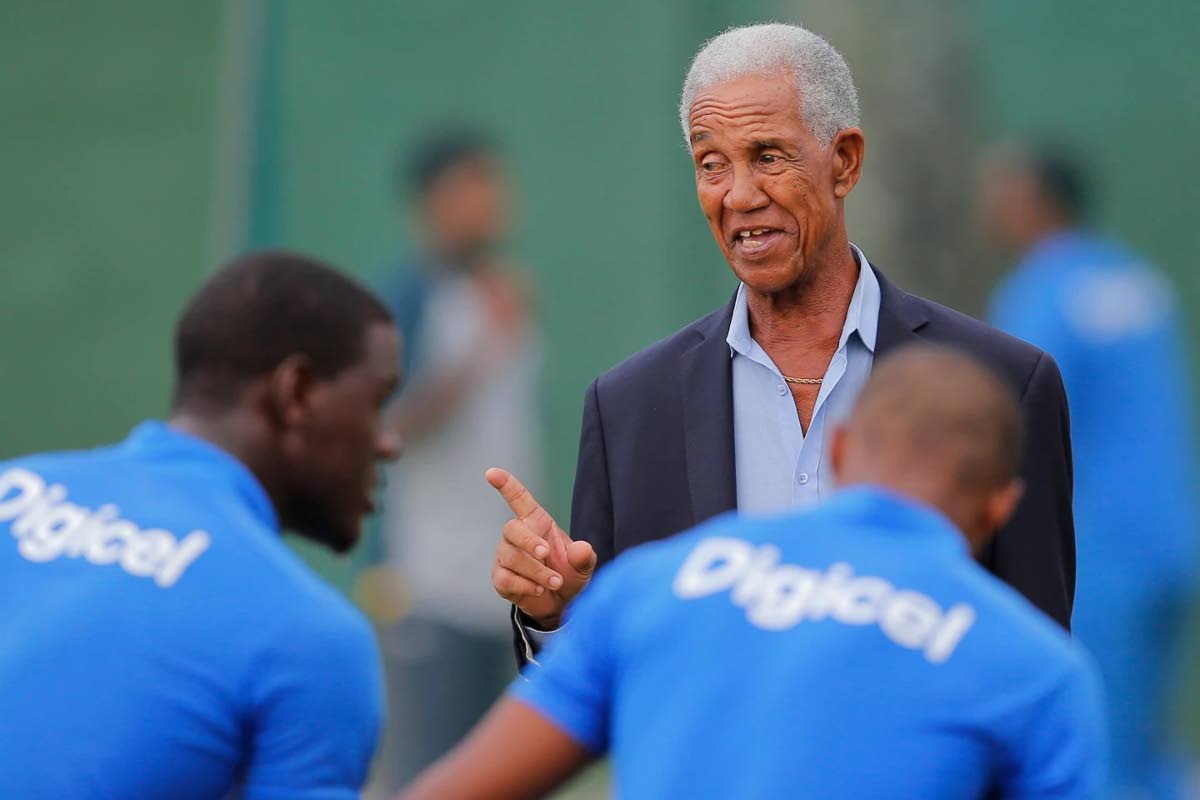 Sir Garry Sobers
-
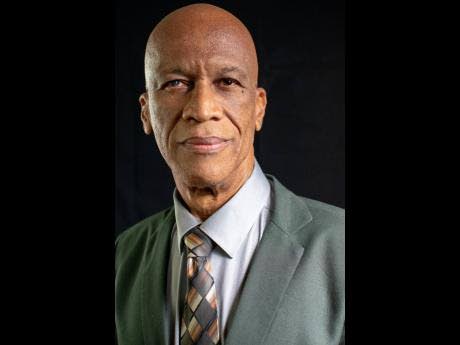 Oran Hall
The story of Sir Garfield Sobers – widely acknowledged as cricket’s best all-time all-rounder – is rich with personal financial lessons.
Sir Gary grew up in humble circumstances in Barbados, but he used hard work to convert his capital – his cricketing talent – to enduring success in an era before the money-spinning mega-contracts and franchise leagues. His success shows that skills represent earning potential, which can only be realised with hard, smart work.
Sir Gary is acknowledged as a great all-rounder because he excelled in nearly all areas of cricket. He was a great batsman who held the title for the highest individual Test score for 36 years. He was a bowler for all seasons: he was a medium-pace bowler who sometimes opened the bowling, he was a wrist-spinner and a finger-spinner. He was an outstanding fielder in the slips and the outfield, and even kept wicket when required to, but not at the Test level. Sir Gary also captained the West Indies cricket team, bringing his leadership skills and cricketing knowledge to bear on the regional team.
His versatility gave him a secure place on the team, career longevity, and assured long-term earning opportunities.
In a financial sense, he had opportunities to create multiple streams of income from his diversified portfolio. This served him well in his post-playing years, giving him opportunities to earn from coaching, media, leadership and business. In personal financial terms, the lesson is that diversifying income sources to include salary, endorsements and business, for example, matters. Multiple streams of income trump a single stream every time.
Although he experienced much personal success, Sir Gary recognised that the success of the team was paramount. He needed other batsmen at the crease while he compiled big individual scores and built big partnerships. He needed fielders to take the catches so that he could take wickets, and did the same for other bowlers to take wickets, in addition to cutting off runs as a fielder. Then, as captain, he needed the team to stick to the plan to upend the opposing side.
Money choices are for the benefit of the family, not just individuals. Good decision-making strengthens the family. Team effort is essential to the effectiveness of a budget, insurance decisions are best when they take the needs of the entire family into account; and savings and investment decisions that address the goals of the family unit, for example, make strong and financially independent families.
Cricket’s greatest all-rounder took many factors into account in his decision-making – weather conditions, the state of the wicket, and the strengths and weaknesses of opposing bowlers and batsmen, not just as captain, but as a batsman and bowler. Being aware of environmental conditions – the state of the markets, the needs of self and family members, and available financial instruments, for example – is key to the making of the best financial decisions.
His playing career was long, but he remained connected to cricket years after retirement. He kept the link through coaching and expert commentary in the media, for example. The personal finance game is a long one. Create and manage wealth to last for more than a lifetime. Build relationships and reputations for the long term, and invest in education and skills to sustain income after retirement. Let the goal be to maintain financial independence no matter how long life lasts.
Our cricketing hero was blessed with long life and seemed fit and healthy enough to enjoy other pursuits such as golf in retirement. The lesson is that good health is key to living a long life, especially one that allows enjoyment of some of the good things of life. Critical to having a good standard of living, though, is the financial means to do so from pension, personal savings and investment, and adequate and relevant insurance to cover the unforeseen.
The world’s greatest-ever cricketing all-rounder has taken his rest, but he has left an enduring legacy. The International Cricket Council (ICC) memorialises him with the ICC Sir Garfield Sobers Trophy, which is awarded annually to the men’s cricketer of the year, and he is a national hero of Barbados. Not to mention the high esteem in which he is held in all parts of the world due to the indelible mark he has left on the cricketing game.
There are many ways to build a legacy: empower families by good stewardship which results in assets being distributed to clearly identified beneficiaries promptly and at the lowest possible cost; families empowered to make good decisions; families with good money values; and communities strengthened by good leadership and engagement in diverse ways.
The lessons in personal finance from the lived experience of the late Sir Garfield Sobers are not just for sports people. They have value for every person who desires to build an effective and sustainable life for now and way into the future.
Oran A Hall, author of Understanding Investments and principal author of The Handbook of Personal Financial Planning, offers personal financial planning advice and counsel. Email: finviser.jm@gmail.com.