Villains make poker plays
Loading article...
-
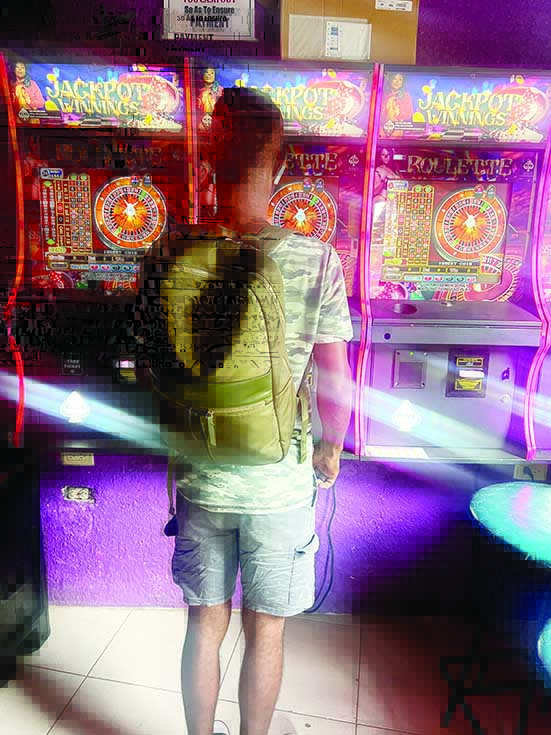
A customer playing the gaming boxes which are currently under siege, fueling break-in crimes across the country.
-
-
-
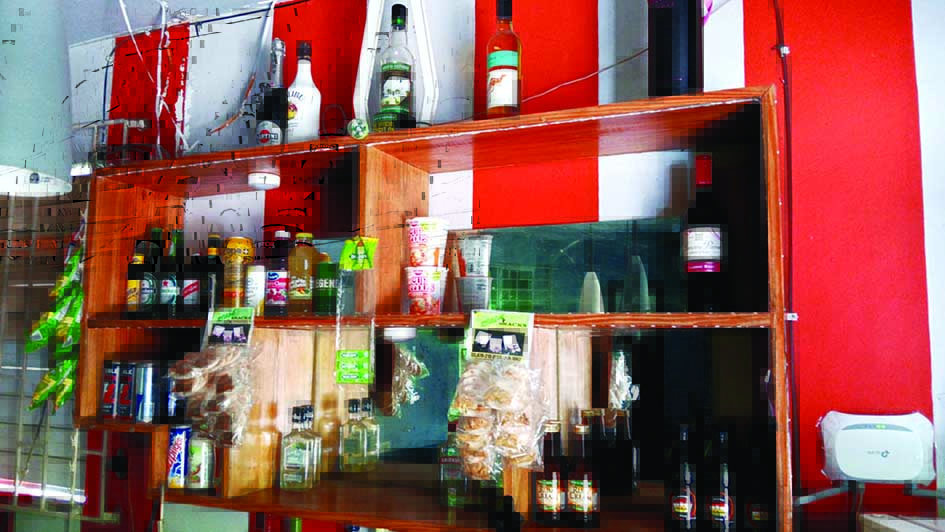
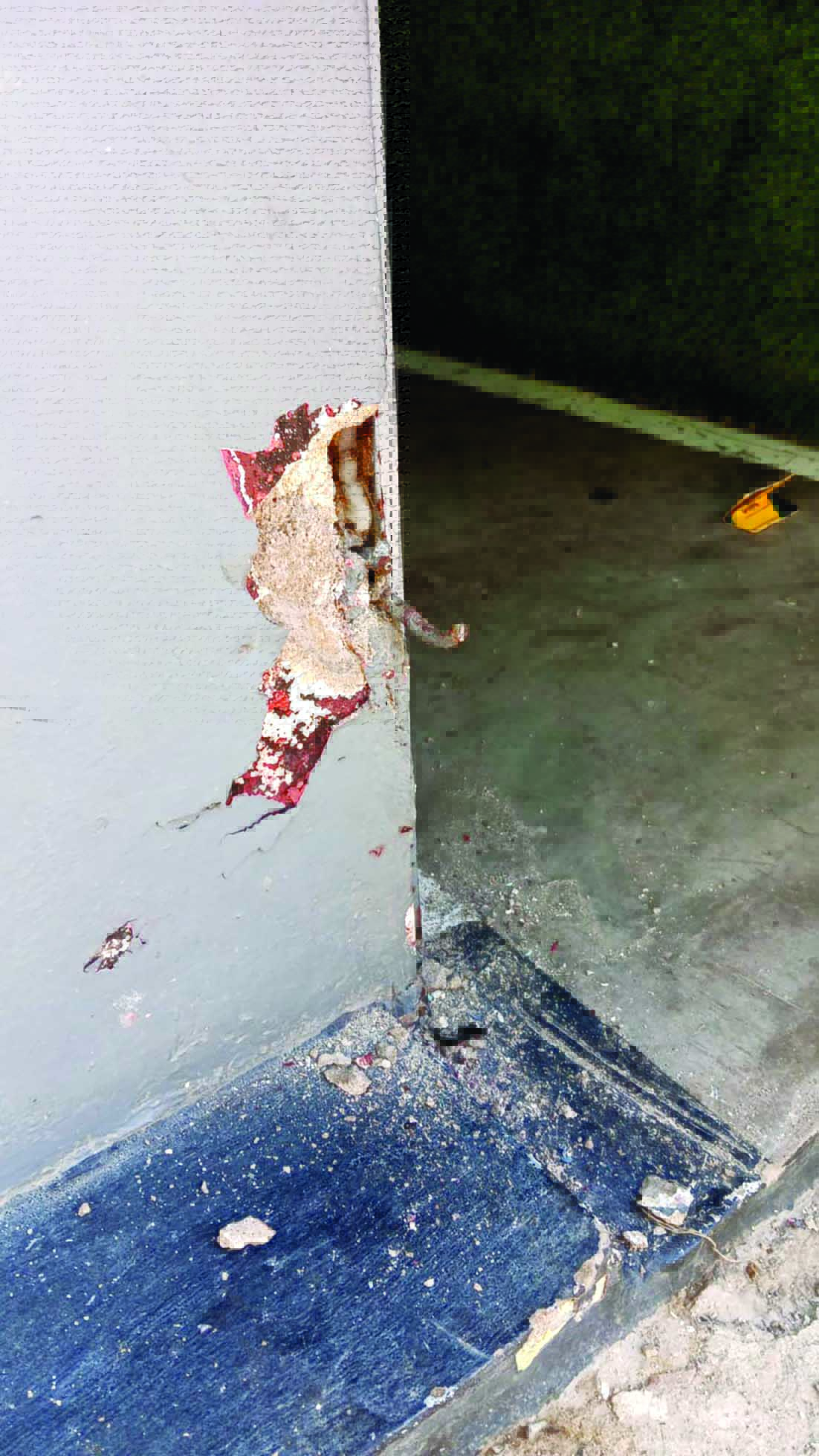
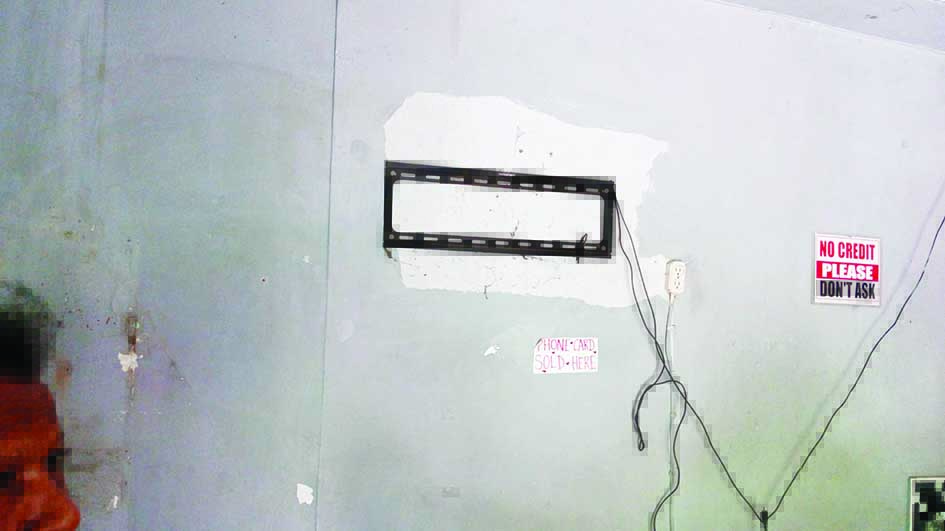
A bar in Clark Hill, St Andrew that was a crime scene on Tuesday after thieves broke in over night and stole boxes and other items.
For years, police have warned that unregulated gambling or gaming machines — popularly known as ‘poker boxes’ — were becoming a magnet for criminal activity.
Today, as the authorities move to formalise and regulate Jamaica’s rapidly expanding gaming industry, a growing wave of thefts, break-ins and illicit trafficking involving the machines is threatening to undermine those efforts.
From the hills of St Andrew North to communities in Clarendon, Manchester and St Elizabeth, police investigations over the last several years have revealed a persistent criminal market centred on gaming machines, with thieves targeting businesses for the cash stored inside the devices and, in some cases, stealing the machines altogether.
The trend has become particularly noticeable in the St Andrew North Police Division, where Superintendent Randy Sweeney says law enforcement has recorded a number of incidents involving gaming-machine thefts and break-ins at establishments housing the devices.
“There has been an increase and it is a concern for us,” Sweeney told The Gleaner.
According to the commanding officer, several of the incidents have occurred in communities stretching from Stony Hill through Lawrence Tavern and into areas bordering St Mary.
“Within the division, in the Corporate Area, it is not troubling; but up in the hills, from Stony Hill, Airy Castle to Lawrence Tavern, robberies and break-ins, there have been increases in reports,” Sweeney said. He and his team have also been engaging stakeholders on the issue.
On May 17, the St Andrew North Police Division convened a virtual Business Watch meeting themed ‘Securing Your Investments’, where police, representatives of the Betting, Gaming and Lotteries Commission (BGLC) and business operators discussed gaming-related issues, including poker boxes, while sensitising participants on security measures and the regulatory environment surrounding the industry.
Among the latest cases was a break-in at a business establishment along Golden Spring Road on Tuesday of last week, during which gaming equipment and cash were stolen.
In another incident on Monday night, thieves reportedly broke into a business place in Clark Hill and escaped with gaming machines, electronic devices, cash and liquor.
Earlier this month, four men posing as customers allegedly entered a bar in Stony Hill and brazenly used universal keys to access gaming machines before removing an undetermined sum of money from the devices.
Other incidents involving gaming-machine thefts have been captured on closed-circuit television systems, further highlighting what operators and investigators describe as a growing criminal enterprise targeting establishments known to house the devices.
Sweeney said investigators believe some perpetrators may be using technology to monitor the movements of the police and identify opportunities to strike.
The division, he said, will be strengthening patrols in affected communities, while encouraging operators to implement target-hardening measures.
He is urging business owners to install surveillance systems, including motion-sensitive cameras, improve lighting, and take additional steps to secure their premises.
“We need the partnership of operators. Good security systems can make a significant difference in both deterring crime and assisting investigations,” he said.
The concerns being raised in St Andrew North echo warnings made by law-enforcement officials for years.
In 2022, the police in St Elizabeth warned that poker boxes were fuelling criminal activity and had become attractive targets because of their value and earning potential.
That same year, the Clarendon police, working alongside the BGLC, seized 75 stolen gaming machines during a series of operations amid reports of increasing thefts across Clarendon, Manchester and St Elizabeth.
At the time, investigators estimated that each machine was worth approximately $350,000.
Police also reported that stolen machines were being sold into the criminal underworld at a fraction of their value and used to generate illicit income.
Deputy Superintendent Jermaine Anglin, who then headed criminal investigations in Clarendon, estimated that the recovered machines had the potential to generate hundreds of thousands of dollars daily if returned to operation.
The problem has persisted.
In 2024, two men were implicated following the recovery of stolen poker boxes valued at approximately $1 million in St Elizabeth.
More recently, the police charged a St Elizabeth businessman after allegedly recovering poker-box circuit boards, bill acceptors, monitors and other gaming-machine equipment believed to be stolen.
The repeated recoveries have reinforced concerns among investigators that the thefts are feeding a secondary market for gaming machines and components.
The criminal activity comes at a time when the BGLC is intensifying efforts to bring greater accountability and oversight to the sector.
Under newly appointed Executive Director Timar Powell, the commission has signalled a stronger regulatory focus aimed at modernising oversight of Jamaica’s gaming industry and strengthening compliance among operators.
Those efforts have been bolstered by increased collaboration between the BGLC and the Jamaica Constabulary Force (JCF).
Earlier this month, police personnel participated in specialised training exercises designed to improve enforcement of gaming laws, enhance intelligence-sharing, and strengthen coordinated action against illegal gaming operations.
The objective, according to officials, is to create a safer and more transparent gaming environment, while ensuring that operators comply with licensing and regulatory requirements.
However, the latest thefts suggest that regulators face a challenge extending beyond compliance.
As the authorities seek to bring more operators into the formal economy, criminals continue to exploit the popularity and profitability of gaming machines, targeting businesses and fuelling an underground trade that has proven difficult to eliminate.
For the police and regulators, the battle is increasingly being fought on two fronts — cracking down on illegal gaming operations, while disrupting the criminal networks that profit from the theft and trafficking of the machines themselves.
As at June 20, the JCF reported a 23 per cent and a 10 per cent reduction in robbery and break-ins, respectively.
andre.williams@gleanerjm.com