Earth Today | Caribbean coral reefs can be insured
Loading article...
-
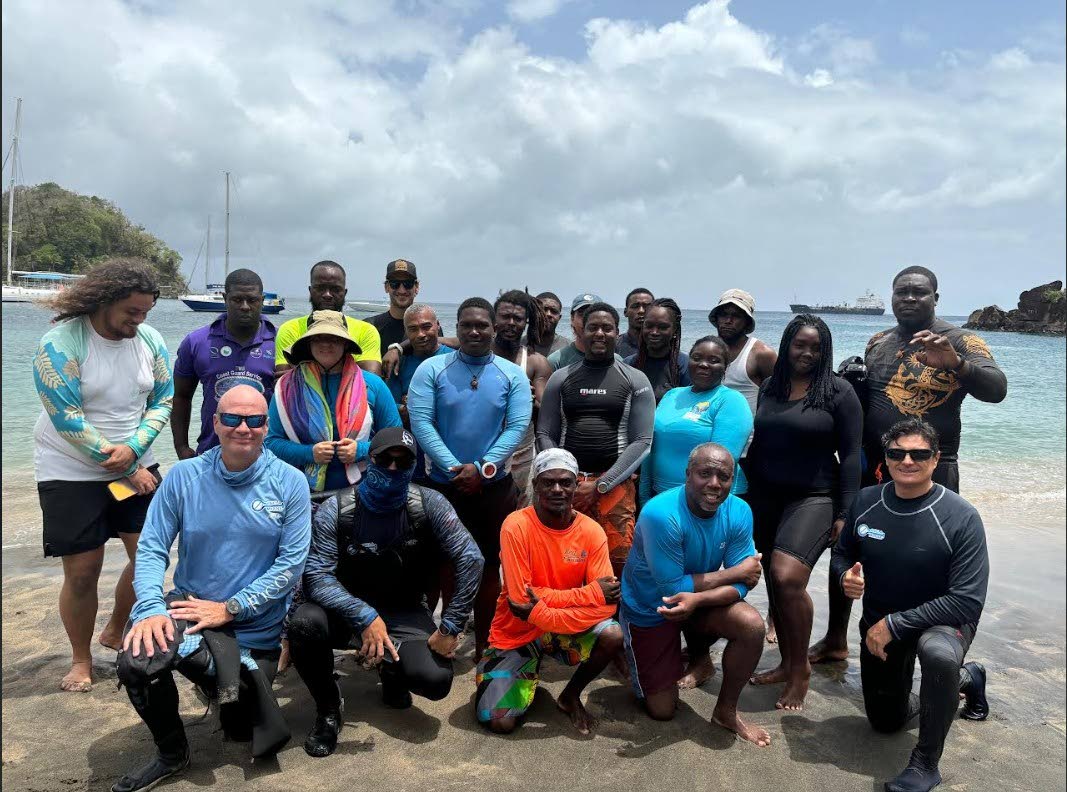 Participants pause for a photo after a successful day of Reef Emergency Response Training in St Vincent and the Grenadines. Photo - Caribbean Biodiversity Fund.
-
Participants pause for a photo after a successful day of Reef Emergency Response Training in St Vincent and the Grenadines. Photo - Caribbean Biodiversity Fund.
-
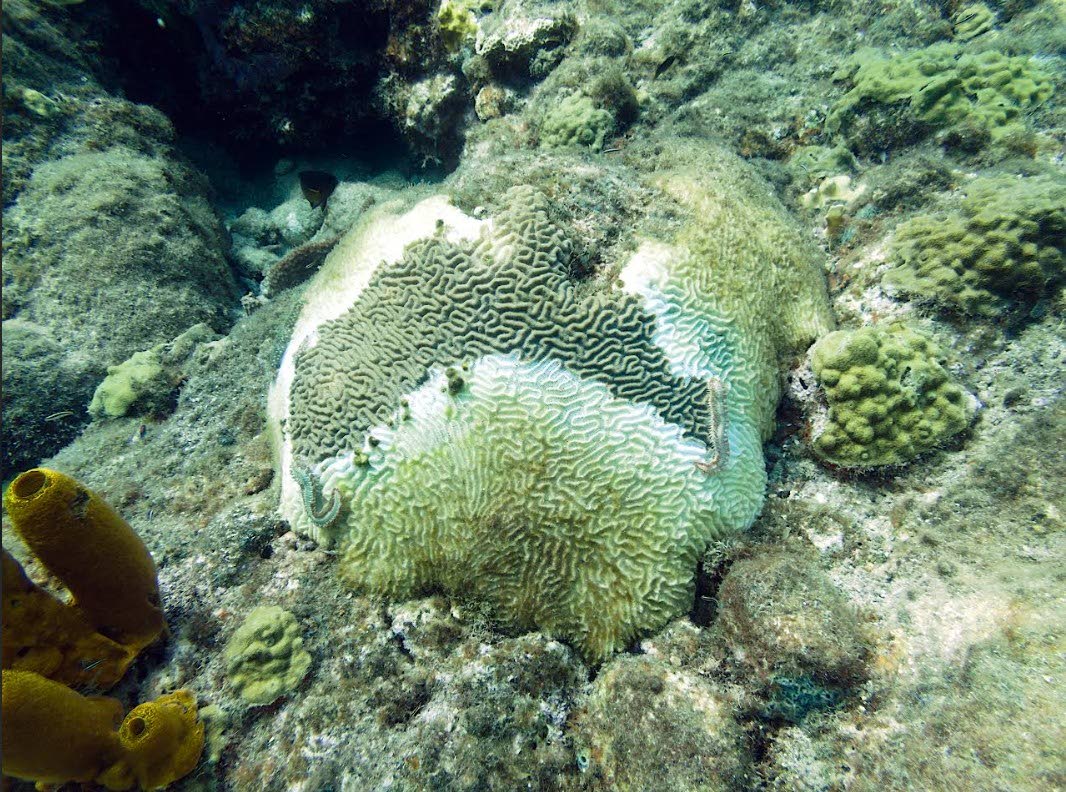 Coral reef disease affecting brain corals in Dominica. Photo: Tanja Lieuw Caribbean Biodiversity Fund. Photo - Caribbean Biodiversity Fund
-
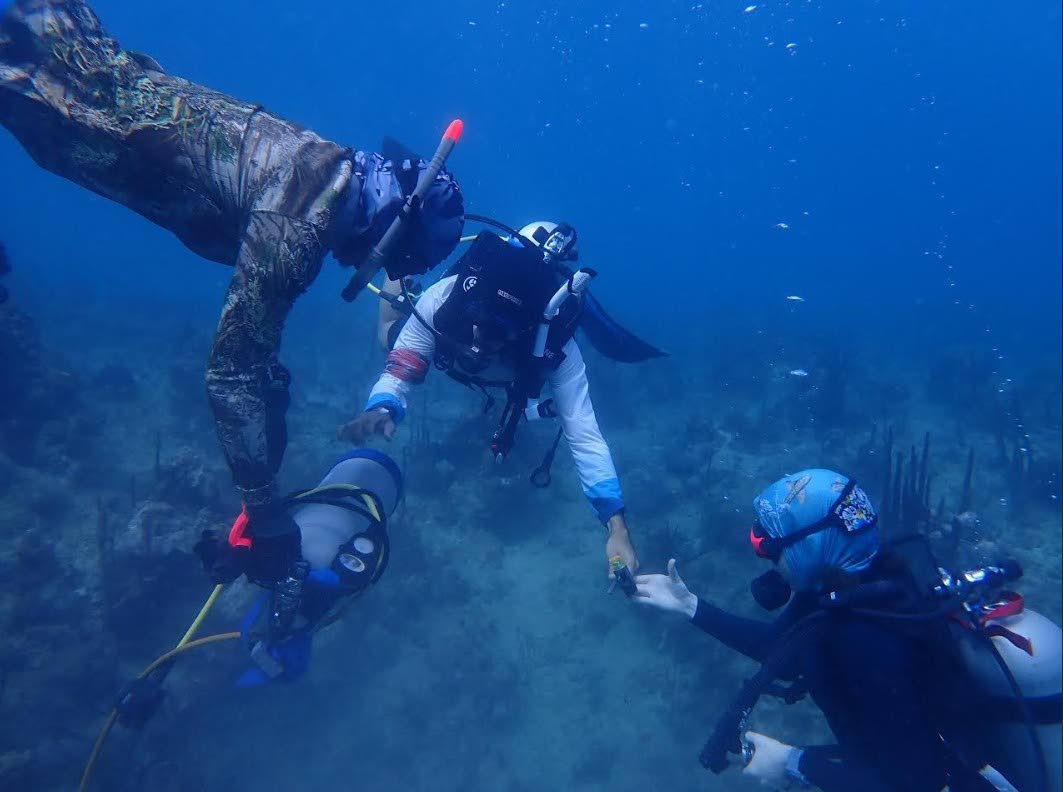 Participants conduct an underwater field exercise during the Reef Response Training in the Dominican Republic. Photo by the Caribbean Biodiversity Fund. Photo - Caribbean Biodiversity Fund
CARIBBEAN REEFS have lost 48 per cent of their hard coral cover since 1980, according to the Global Coral Reef Monitoring Network; and healthy coral is valued at USD 6.2 billion annually in fisheries and tourism benefits.
However, Caribbean coral reefs have had a difficult few years. A May 2026 study by researchers at the University of Exeter and Universidad Nacional Autónoma de México found that the record marine heatwave of 2023, compounded by stony coral tissue loss disease, pushed over 70 per cent of monitored Caribbean reefs past the threshold from net growth into net erosion, a decade earlier than scientists had projected.
Hurricane Melissa hit in October 2025, snapping coral branches, overturning colonies, and smothering reefs in debris along Jamaica’s south coast and beyond. Both events were reported widely. What has received less attention is what happens in the water after the headlines move on.
Much of the physical damage a hurricane inflicts on a reef can be repaired if trained reef responders reach it quickly. Coral fragments left unattended die within weeks and a recovery that could have taken months stretches into decades. Conservation is largely funded through time-limited grants, and securing emergency funding after a disaster is slow and unpredictable. By the time proposals are written and disbursed, the biological window for intervention has often closed.
Using a model from the MesoAmerican Reef Fund (MARFund), Caribbean Biodiversity Fund (CBF) has piloted a different approach through its Reef Resilience and Risk Financing Mechanism project. The project has produced the Caribbean’s first-of-its-kind parametric insurance policy for coral reefs, covering approximately 1,800 square kilometres of reef across Jamaica, the Dominican Republic, St Lucia, and St Vincent and the Grenadines for the 2026-2027 Atlantic hurricane season. The policy offers with up to USD 1 million in total annual coverage.
A payout is triggered automatically when a hurricane crosses defined thresholds of wind speed and proximity to a covered reef. Stronger and closer storms produce larger payouts up to USD 150,000 per country per hurricane. Because the policy uses independently verifiable hurricane data from established meteorological sources rather than physical damage assessments, funds can be disbursed within the window for effective reef intervention just weeks after a storm.
Had the policy been in place before Hurricane Melissa, Jamaica’s reefs would have triggered the full USD 150,000 payout. Going back to 2005, 14 Atlantic hurricanes would have triggered a combined USD 1.87 million in payouts across the four beneficiary countries. Across the four countries, 75 reef responders have been trained, many of them fishers and divers who know the waters from years of working in them.
This is a pilot and the coverage is modest when compared to the scale of the risk. However, it establishes that reefs can be insured.
Contributed by Renée Smith, Caribbean Biodiversity Fund